Indian Diabetic Diet Chart: A Comprehensive Guide to Managing Diabetes

Managing diabetes effectively involves careful dietary planning, especially within the context of traditional Indian cuisine, which is rich in carbohydrates.

Diabetes covers type 1, type 2, prediabetes, and gestational diabetes — the metabolic conditions that together affect more than 100 million Indians and touch nearly every organ system in the body. Our endocrinologists, diabetologists and editorial team explain how to interpret your HbA1c, fasting sugar and post-meal numbers, when metformin and other tablets versus insulin become the right lever, what long-term complications to watch for in eyes, kidneys, nerves, feet and heart, and how to build a sustainable Indian-diet and exercise plan around real work and family constraints. South Asians develop type 2 diabetes at lower body weights and younger ages than most other populations, so the discipline of routine screening, weight control, movement, and stress management starts earlier here than global guidelines suggest.
Last reviewed: 10 August 2026
Managing diabetes effectively involves careful dietary planning, especially within the context of traditional Indian cuisine, which is rich in carbohydrates.

Discover a detailed Indian diet chart for diabetic patients, complete with expert meal planning tips, food options, and lifestyle habits to manage diabetes effectively.
This case study follows a 52-year-old man diagnosed with type 2 diabetes. It highlights how a combination of medication, dietary changes, exercise, and regular monitoring led to significant improvements in his health.

Learn practical strategies to effectively manage your diabetes and gain better control over your blood sugar levels. This guide offers actionable tips for daily living.
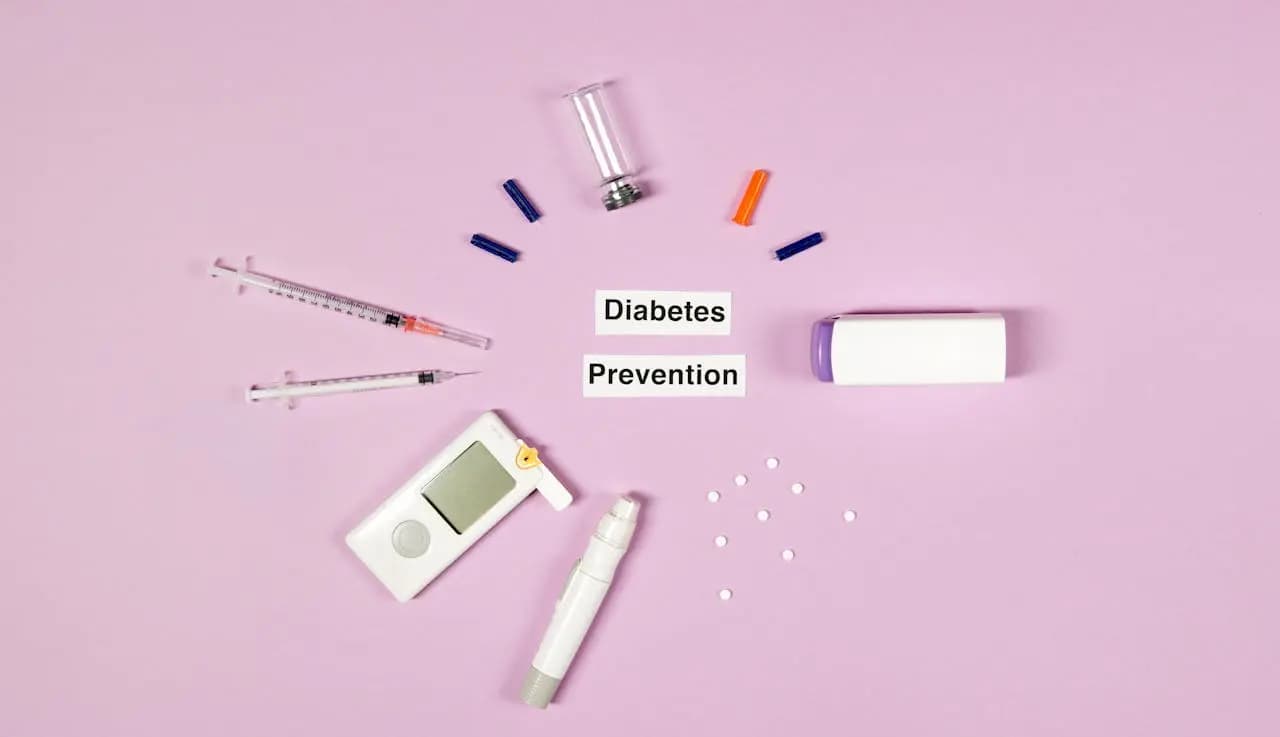
Diabetes management is a meticulous balancing act involving the regulation of blood sugar levels to prevent both short and long-term complications.
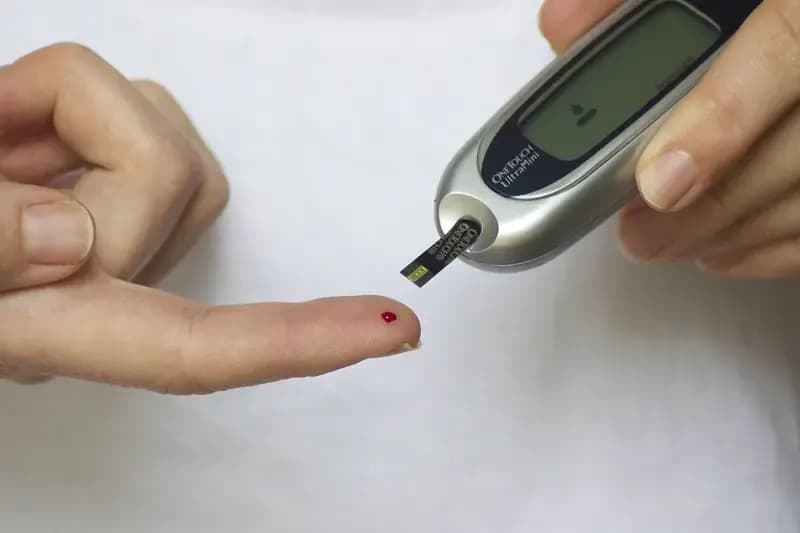
Explore the relationship between jaggery and diabetes, uncover the truth about its impact on blood sugar, and discover diabetes-friendly sweetener alternatives.

For individuals with diabetes, managing sugar intake is a critical aspect of maintaining overall health. Sugary foods such as cola, candy, ice cream, and cereals are not just tempting; they can be addictive, leading to withdrawal symptoms like anxiety and mood swings when reduced or eliminated from the diet.
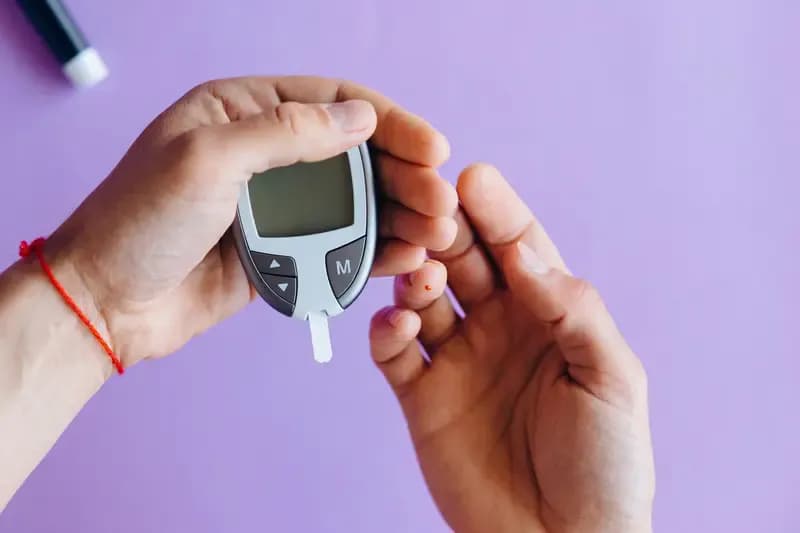
Diabetes and prediabetes are growing concerns worldwide. Discover how natural strategies, including diet, exercise, and lifestyle changes, can effectively help manage blood sugar levels.

Navigating diabetes management or simply maintaining awareness of one's blood sugar levels requires understanding and utilizing a variety of tools, one of the most crucial being the blood sugar conversion chart.

Managing diabetes requires careful attention to diet, as what you eat significantly impacts blood sugar levels, kidney health, and overall well-being.
Diabetes, especially type 2, can develop gradually with subtle symptoms. Recognizing patterns of thirst, urination, fatigue, and other changes is key to early detection.
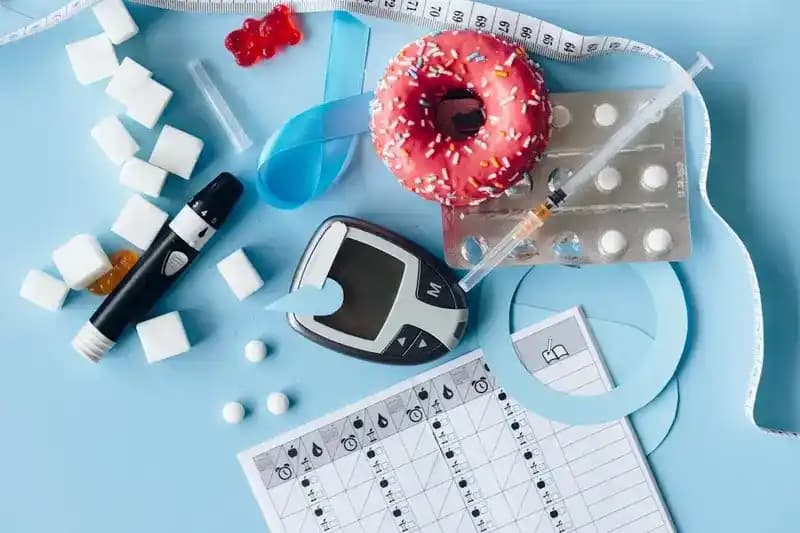
Diabetes is a chronic condition characterized by high blood sugar levels. It occurs when the body either does not produce enough insulin or is unable to use the insulin it produces effectively.

Diabetes is a widespread chronic condition that affects millions of people worldwide. It's characterized by elevated blood sugar levels, which can lead to various health issues.

Myth vs Fact: Will Stopping Sugar Intake Cure Diabetes?There is a common belief that simply cutting out sugar can stop diabetes. Let’s understand the facts.Myth: Diabetes will go away if you stop eating sugar. Fact: Diabetes is a complex metabolic condition, not just a result of sugar intake. While reducing added sugars can help manage blood sugar levels, effective diabetes management requires a balanced approach that includes medication (when prescribed), regular physical activity, and a healthy diet. Stopping sugar alone does not cure diabetes.Myth: Only sugary foods impact blood sugar levels. Fact: Carbohydrates in various forms, such as bread, rice, pasta, and fruits, also affect blood sugar levels. Proper diabetes management involves balancing total carbohydrate intake, not just avoiding sweets.Myth: Cutting out sugar prevents Type 2 diabetes. Fact: Although reducing sugar intake supports a healthier lifestyle, other factors such as genetics, body weight, and physical activity levels also significantly influence diabetes risk. A comprehensive and balanced approach is essential.Diabetes management involves more than simply eliminating sugar. A structured and consistent plan is key to maintaining healthy blood sugar levels.General Advice: If you have any medical concerns, please consult your doctor as soon as possible. For assistance, CALL US NOW at: 07556603344
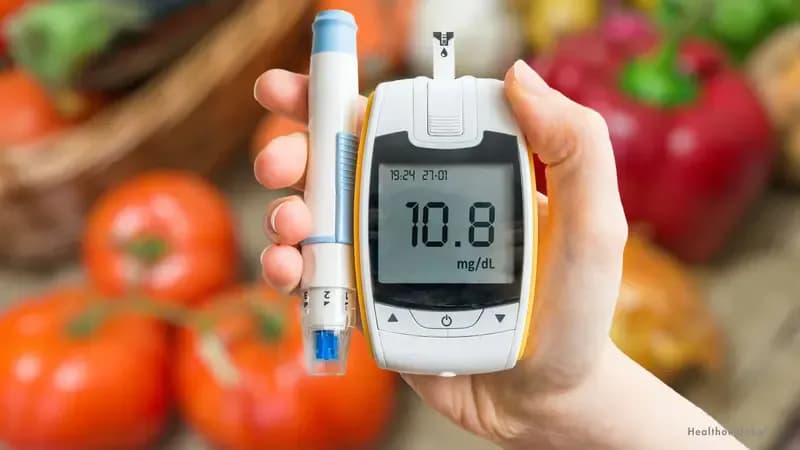
Diabetes is a chronic condition that requires comprehensive management to ensure a high quality of life.

Maintaining healthy blood sugar levels is essential for overall well-being. In this video, the doctor highlights five foods that can help naturally support blood sugar control: 🥬 Leafy Greens 🌿 Cinnamon 🍓 Berries 🌾 Whole Grains 🥑 AvocadoThese foods are rich in fiber, antioxidants, and essential nutrients that help stabilize glucose levels and support better metabolic health.Remember, a balanced diet, portion control, and regular physical activity are key to managing blood sugar effectively. 🎥 Watch the video to learn how these foods can benefit your health.

Postprandial drowsiness, or feeling sleepy after eating, could be more than just a common experience. Learn whether it signals diabetes and how to manage it effectively.

A nursing care plan for diabetes mellitus focuses on assessing, diagnosing, and implementing strategies for effective management. Learn how to optimize patient care and prevent complications.

In the journey towards optimal health, understanding the relationship between physical activity and blood sugar levels is crucial.
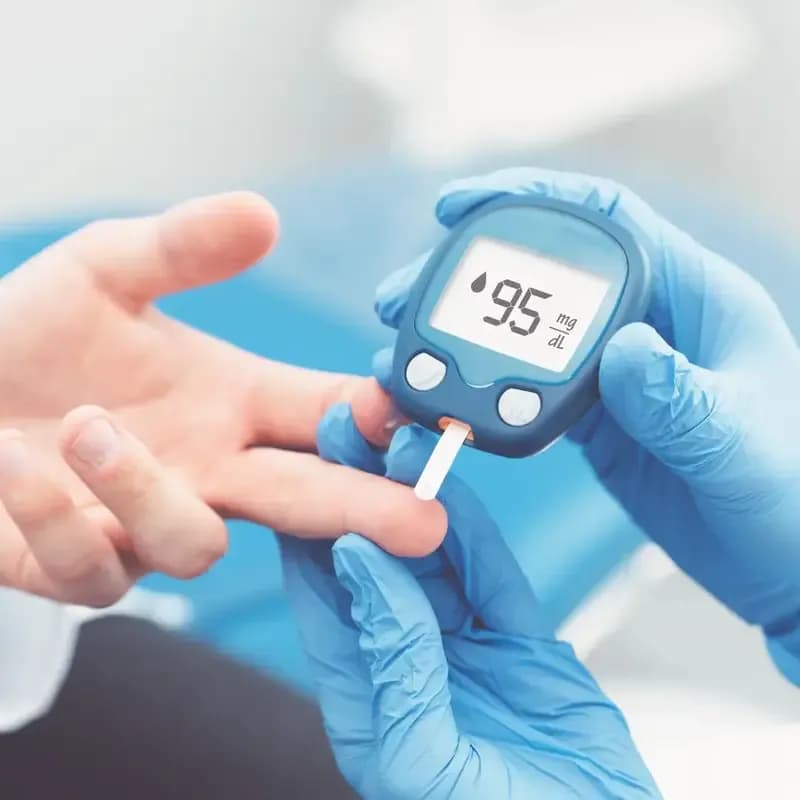
Blood sugar levels play a crucial role in overall health, especially for individuals managing conditions like diabetes.

Understanding which foods to avoid while taking Trulicity is crucial for effective diabetes management. Learn about dietary restrictions and better food choices.

Myth vs Fact: Diabetes and Sugar ConsumptionMyth: Diabetes only happens to those who eat too much sugar.Fact: Eating sugar alone does not directly cause diabetes. Diabetes is a complex condition influenced by several factors, including genetics, lifestyle, body weight, and overall diet. While excessive sugar intake can contribute to weight gain, which increases the risk of type 2 diabetes, it is not the sole cause of the disease.Key Takeaway: Consuming sugar in moderation does not automatically lead to diabetes. Maintaining a balanced diet, staying physically active, and keeping a healthy weight are essential steps in reducing the risk of type 2 diabetes. Awareness and informed choices play a vital role in prevention.General Advice: If you have any medical condition, please consult your nearest healthcare provider, hospital, or doctor as soon as possible. Contact: 7566003344

There’s a reason diabetes is called a silent disease. Most people don’t even realise something’s wrong until years later — when the damage is already done. It doesn’t always start with the “classic” symptoms you hear about, like excessive thirst or frequent urination. Sometimes it’s just small things you barely notice: feeling unusually tired, a cut that takes longer to heal, or waking up with a dry mouth. Easy to ignore, right? That’s how it sneaks in quietly. What’s scarier is that it’s not just an “older person’s problem” anymore. These days, more and more young adults — even teenagers — are being diagnosed. Long hours at desks, ready-to-eat meals, stress, and late-night screen time are all quietly adding fuel to the fire. Here’s the thing: you don’t need to wait for symptoms. A simple blood sugar check once or twice a year can catch issues early. If diabetes runs in your family, it’s even more important. And no, you don’t need to turn your life upside down — small changes like swapping a fizzy drink for water, adding a 20-minute walk to your day, or getting decent sleep can go a long way. Diabetes doesn’t announce its arrival. But you can stay a step ahead — by listening to your body and taking action before it’s too late.

Explore the complexities of obesity, including its classification, diagnosis codes, and impact on health. Learn about Class 1, 2, and 3 obesity and effective solutions.

Managing blood sugar is crucial for overall health, but is relying only on symptoms enough to know whether it is high or low? Let’s understand the facts.Myth: I can always tell if my blood sugar is too high or low based on symptoms. Fact: While symptoms such as shakiness, sweating, or fatigue may indicate changes in blood sugar, not everyone experiences clear warning signs. High or low blood sugar can sometimes occur without noticeable symptoms, especially in individuals who have had diabetes for a long time. Regular monitoring is essential for accurate assessment.Myth: Feeling normal means my blood sugar must be within range. Fact: Many people feel normal even when their blood sugar levels are outside the healthy range. Relying only on physical feelings can be risky. Using a glucose monitor provides precise readings and helps prevent complications.Myth: I will know my sugar levels without testing if I follow a fixed routine. Fact: Although a regular lifestyle routine supports better blood sugar control, levels can still fluctuate. Consistent monitoring remains important, even when daily habits are stable.Reliable blood sugar management requires regular testing rather than depending solely on how you feel.General Advice: If you have any medical concerns, please consult your doctor as soon as possible. For assistance, CALL US NOW at: 07556603344

Maintaining a healthy diet is crucial for preventing chronic diseases, boosting immunity, and promoting overall well-being.
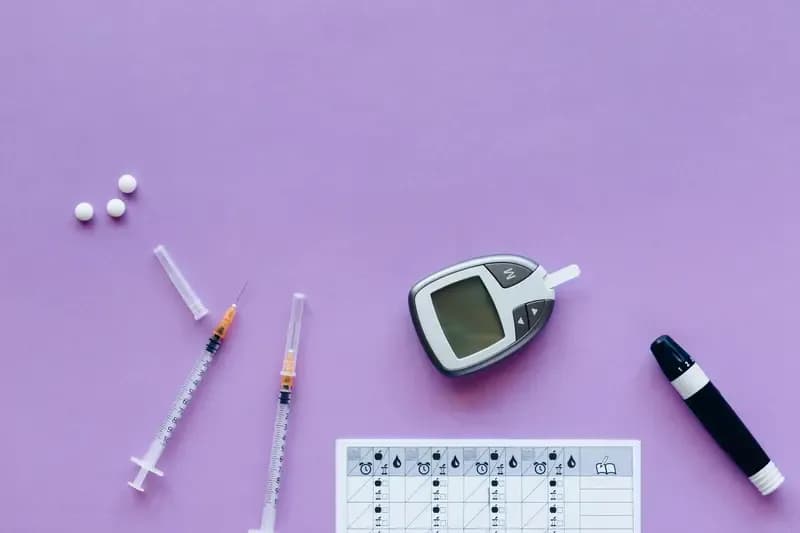
Insulin therapy is pivotal for managing both Type 1 and Type 2 diabetes.

Living with prediabetes means that your blood sugar levels are higher than normal but not high enough to be classified as diabetes.
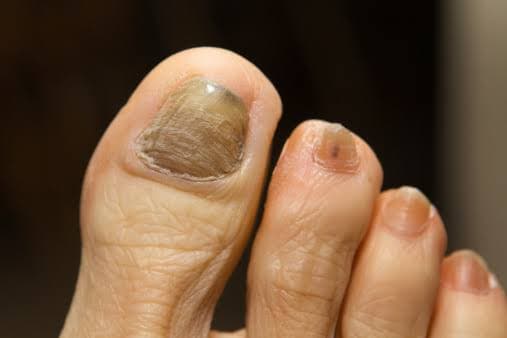
A black toenail in someone with diabetes isn't always minor. Learn the potential causes, why diabetes increases concern, and when to consult a healthcare professional.
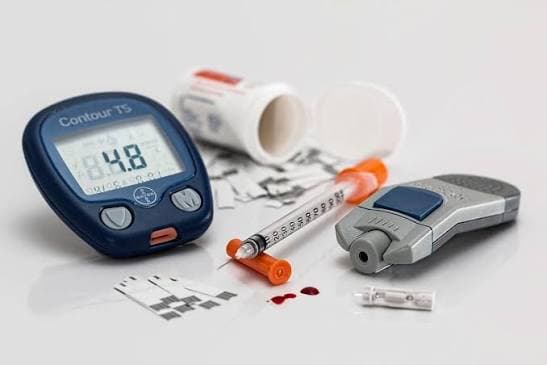
Diabetes can begin with subtle changes people often overlook. Learn about lesser-known warning signs, when they may matter, and when blood-glucose testing is worth discussing with a healthcare professional.
How hidden sugar quietly sneaks into your daily routine without you realizing it

Caring for elderly family members with diabetes can be a challenging but rewarding experience.

Explore a variety of healthy Indian recipes that are both nutritious and delicious. This guide provides essential information on how to prepare balanced Indian meals that support a healthy lifestyle.

As populations age worldwide, the incidence of chronic illnesses among seniors is becoming increasingly common.

In this fast-paced world, the concept of 'Physically Inactive' is alarmingly common. But what does it truly entail? Let's delve into the significance of staying active for your overall well-being.

Living with diabetes doesn't mean you must sacrifice enjoying food.
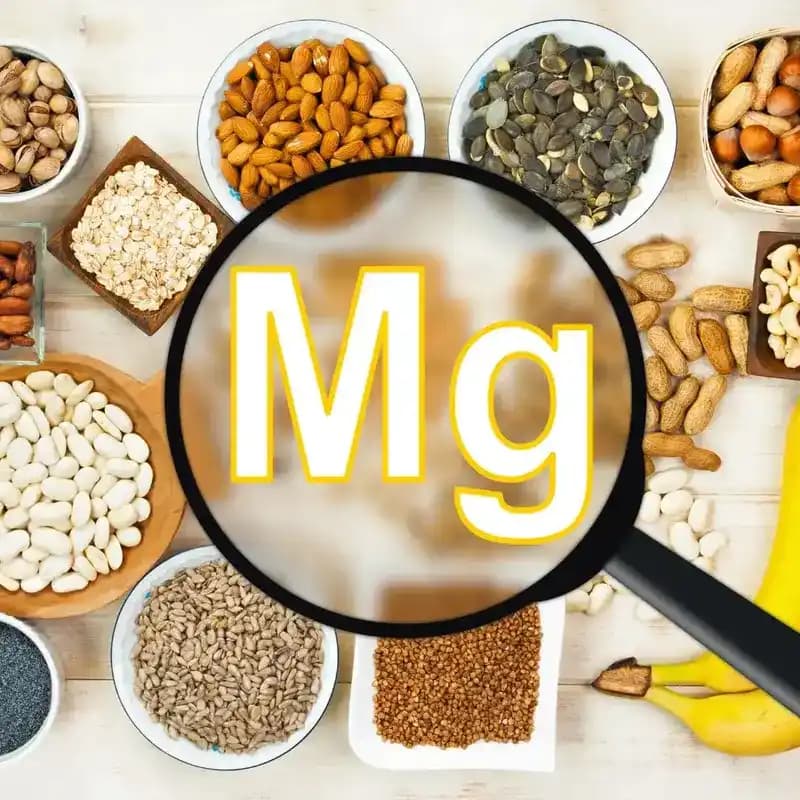
Magnesium plays a vital role in many bodily functions, including muscle and nerve function, blood sugar control, and bone health.

Case study: How Zocvi enables monitor Blood Pressure and Blood Sugar monitoring for parents in India
Disha for Diabetes Awareness: Diabetes continues to impact millions across India. In this second video, Dr. Suruchi Mandrekar, a leading diabetologist, shares more important insights on managing and understanding diabetes. Please watch.
Disha for Diabetes Awareness: Diabetes is one of the most rapidly growing health concerns in India. In this first video, Dr. Suruchi Mandrekar, a leading diabetologist, shares key insights about diabetes. Watch to learn more.

Tips for Managing Diabetes and Staying HealthyTake control of your diabetes and prioritize your health with NIRMAL AYURVED. Follow these essential tips to manage diabetes effectively and lead a healthy lifestyle. Start by adopting a healthy eating plan, staying physically active, and monitoring your blood sugar levels regularly. Don't forget to keep up with regular check-ups to ensure your diabetes is well-managed. With NIRMAL AYURVED's expertise in Ayurvedic medicine, you can explore holistic approaches to managing diabetes and improving your overall well-being. Take charge of your health today and embrace a healthier future!

Apart from many other causes, stress is one of the important factors of diabetes in many people. Stress increases the cortisol levels and in turn, it increases the blood sugar level. Owing to this, a person who is in stress for a prolonged period develops the symptoms of diabetes. Talk to Dr. Prashant Jain (MD. Ayu.) on how to control your stress levels now and manage diabetes.Get a free stress evaluation on: www.nirmalayurved.co.in/aatman

Dr Anushri Jamdar, a noted Diabetologist and director, Triveni Health Care talks about why and how doctors manage patient's blood sugar levels before, during and after surgery.We, at TaCa Centre for Surgery, takes great care of diabetic patients.

Discover how personalized nutrition can transform your health. Explore benefits, meal strategies, and insights on ingredients like ground turkey and yeast.

Myth vs Fact: Sugar-Free Sweets and Ice CreamMyth: Sugar-free sweets and ice creams are healthy alternatives.Fact: Sugar-free does not always mean healthy. These products may contain artificial sweeteners, unhealthy fats, or excessive calories that can negatively impact your health if consumed in large quantities. It is important to check ingredient labels and monitor portion sizes, as overconsumption can still contribute to weight gain and other health concerns.Key TakeawayNot all sugar-free treats are completely guilt-free. Moderation is essential. Focus on balanced nutrition and include whole, nutrient-rich foods as part of a healthy lifestyle.General Advice: If you have any medical condition, please consult your nearest healthcare provider, hospital, or doctor as soon as possible. Contact: 7566003344
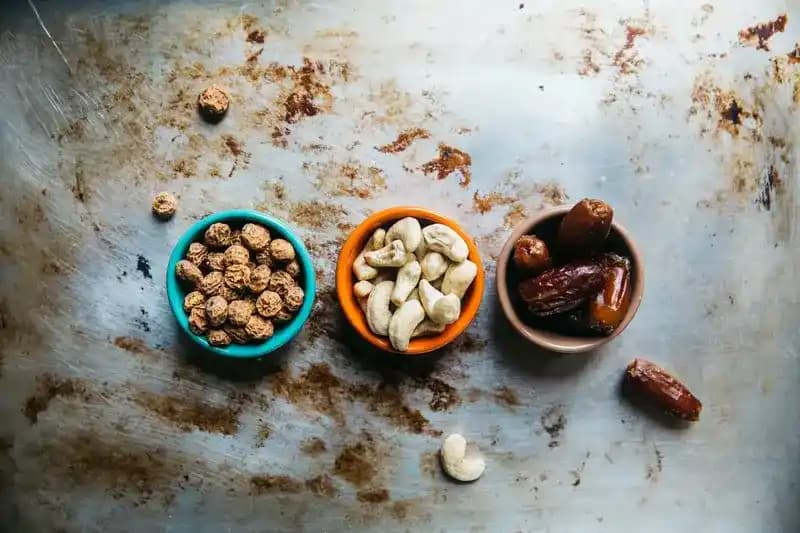
This is our in-depth guide on intermittent fasting for seniors, specifically tailored to enhance health and manage diabetes for those over 50.
Disha for Diabetes Awareness: Diabetes is a rapidly growing health concern in India. In this third video, Dr. Suruchi Mandrekar, a leading diabetologist, shares further insights on understanding and managing diabetes. Please watch.

Corn flakes vary by product. Learn how processing, fibre, portions and the full meal affect blood glucose, and how to check labels for diabetes or coeliac disease.

Home health tests have gone mainstream in India. BP monitors, glucometers, cholesterol strips, pregnancy tests, urine strips. Here is what each actually measures reliably, when to trust the result, and when you still need a proper lab or doctor.
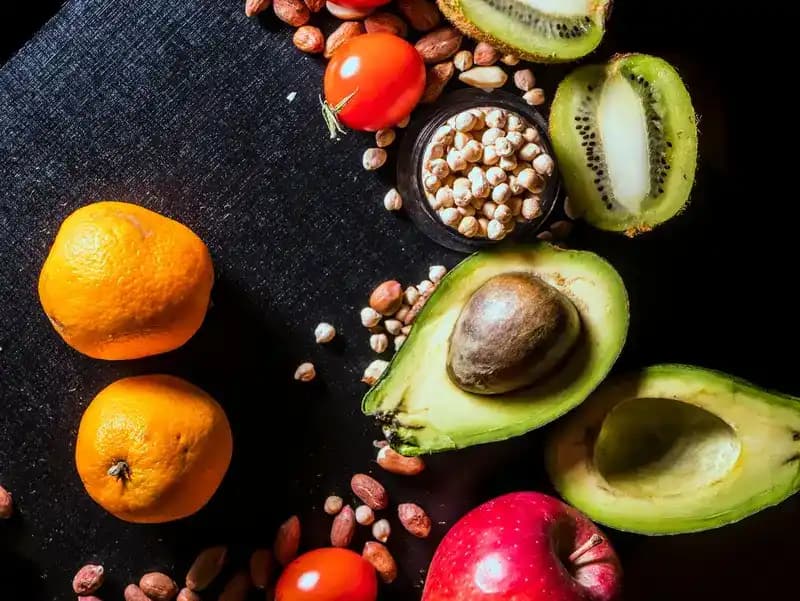
Gaining weight can be a challenge for many individuals.

Keeping your heart healthy is essential for a long, vibrant life. Nirmal Ayurved is here to help you with practical tips and expert guidance from Dr. Prashant Jain (BAMS, MD, PhD). Top Tips for a Healthy Heart:Lose Weight if Overweight: Shedding those extra pounds can significantly improve your heart health. Eat a Heart-Healthy Diet: Incorporate fruits, vegetables, whole grains, and lean proteins into your meals. Don't Use Tobacco: Quitting smoking is one of the best things you can do for your heart. Avoid Alcohol: Limit or eliminate alcohol consumption to reduce strain on your heart. Increase Physical Activity: Aim for at least 2.5 hours of exercise per week. Even brisk walking can make a big difference! Regular Health Check-ups: Monitor your blood pressure and blood sugar levels regularly to stay ahead of potential issues. Consult with Dr. Prashant Jain for personalized advice and holistic care! Contact Us:+91 7411016510+91 7703992118 Email:nirmalayurved01@gmail.comayufertilitydelhi@gmail.comTake charge of your heart health today with Nirmal Ayurved!

Hearts of palm, derived from the tender inner core of select palm trees, are gaining recognition not only for their delicate flavor but also for their impressive nutritional profile.

Tamarind, a tropical fruit, is not just a staple in many kitchens for its distinct tart flavor; it's also packed with a wide array of health benefits.

Grapes are more than just sweet snacks—they’re nutritional powerhouses. Discover the key grapes benefits, calories, types, juice uses, and how they improve overall health.

Explore the numerous health benefits of sweet lime juice, a nutritious beverage. This guide provides essential information on the nutritional value of sweet lime juice and how it can support a healthy lifestyle.

The homocysteine test measures the level of homocysteine in the blood, which can indicate various health conditions.

Nutrition plays a vital role in human health, providing the body with essential nutrients needed for growth, development, and overall well-being.

Nutrition and dietetics encompass the study and practice of food and nutrition to promote health and manage disease.

Discover a scientifically-backed, healthy diet plan for effective weight loss with meal ideas, tips, and strategies to achieve sustainable results.

Low blood pressure (BP) with a high pulse rate can indicate serious health concerns. Learn about its causes, symptoms, and how to manage it effectively.

Discover the hereditary factors of hypertension, its symptoms, connection to heart disease, and natural remedies for managing high blood pressure effectively.

Dr. Abhijit Joshi, Consultant - Cardiology, Manipal Hospital Baner, Pune, sheds light on heart failure by explaining its types, causes, and symptoms. Watch the complete video to learn about the diagnosis and advanced treatments available at the hospital. The first signs of life in an embryo are confirmed with the heartbeat. With an overall size of approximately a fistful, the heart is one of the most vital organs of the body. Housed securely inside the ribcage, the heart is a rather delicate pumping system that keeps the body running. Any dysfunction or disease affecting the heart impacts the entire body, system and working of the bodily organs. At Manipal Hospital, we have one of the most comprehensive centres of excellence in Baner, Pune. Offering an array of services for diagnostics, treatment and post-operative care. Our speciality is our multidisciplinary team of clinicians providing heart care, and minimally invasive surgical procedures, all under one roof. Manipal Hospital has become a synonym with world-class health care and our heart care facilities are no different. We have some of the best cardiac surgeons in Baner, Pune. For a consultation, call - 020 6813 8888 or visit - https://bit.ly/MHBCardiology

Posterior subcapsular cataract is a common eye condition that affects the lens of the eye, leading to vision impairment.

Mucocutaneous candidiasis is a fungal infection that affects the skin, nails, and mucous membranes, caused by the Candida species of fungi.
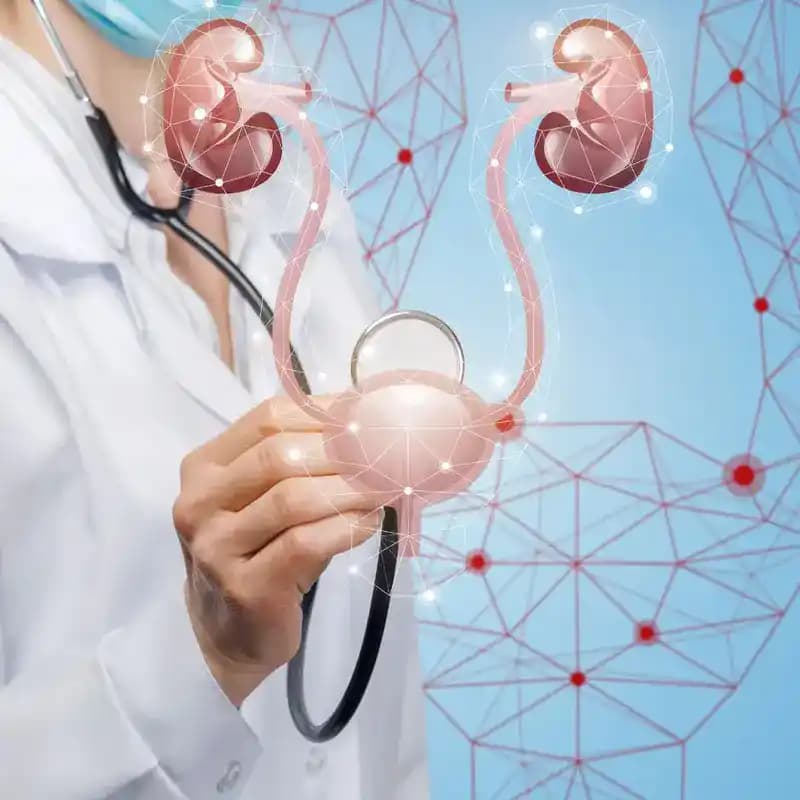
Atonic bladder, also known as flaccid bladder, is a condition characterized by loss of muscle tone in the bladder wall, leading to impaired bladder emptying and urinary retention.

Cardiovascular diseases (CVDs) are a group of disorders that affect the heart and blood vessels, leading to various complications if left untreated.

Poha, a popular Indian breakfast, can be a healthy choice when prepared mindfully. Learn how to maximize its nutritional benefits by adding vegetables and protein sources.

Hypertension, also known as high blood pressure, impacts millions worldwide, leading to severe health complications like hypertensive heart disease. Learn to identify and manage symptoms such as hypertension headaches and labile hypertension effectively.

Women have specific nutritional requirements that change throughout different life stages, including adolescence, adulthood, pregnancy, and menopause.

Heart valve problems often progress quietly until everyday activities like walking, climbing stairs, or even getting dressed begin to feel exhausting. One such condition is aortic stenosis, where the heart’s main valve becomes narrow and restricts blood flow. For many patients, especially elderly individuals or those with medical risks, open-heart surgery may not always be the safest option. This is where the TAVI procedure has transformed cardiac care.At Manipal Hospital Baner, Pune, advanced heart care now includes TAVI treatment, offering eligible patients a less invasive, life-changing alternative.

Celebrate World Heart Day with Dr. Prashant Jain’s Arjun Ki Chai! ❤️🫖On this special occasion of World Heart Day, let’s focus on nurturing our heart health with the natural goodness of Arjun Ki Chall Ki Chai. Dr. Prashant Jain shares this fantastic recipe, packed with benefits to support your heart.🌿 What is Arjun Ki Chall?Derived from the bark of the Terminalia arjuna tree, Arjun has been revered in Ayurvedic medicine for centuries. It’s known to strengthen the heart muscles, improve circulation, and help manage blood pressure.Benefits of Arjun Ki Chall Ki Chai:✅Heart Health: Supports cardiovascular function and reduces cholesterol levels.✅Antioxidant Properties: Fights free radicals, promoting overall health.✅Blood Pressure Regulation: Helps maintain optimal blood pressure levels.✅Digestive Aid: Improves digestion and detoxifies the body.Recipe for Arjun Ki Chall Ki Chai:Ingredients:a. 1-2 tsp Arjun ki Chall powderb. 2 cups waterc. 1-2 tsp honey (optional)d. Lemon slice (optional)Instructions:✅Boil the water in a saucepan.✅Add the Arjun ki Chall powder and let it simmer for 5-7 minutes.✅Strain the tea into a cup.✅Add honey and a slice of lemon if desired for taste.✅Sip and enjoy the benefits!Why Choose Ayurveda?Integrating Ayurvedic practices into your daily routine not only promotes heart health but also enhances your overall well-being. Let’s make a conscious effort this World Heart Day to prioritize our heart health naturally!For more health tips, connect with us: 📞 Call: +91 74110 16510🌐 Visit: www.nirmalayurved.co.in
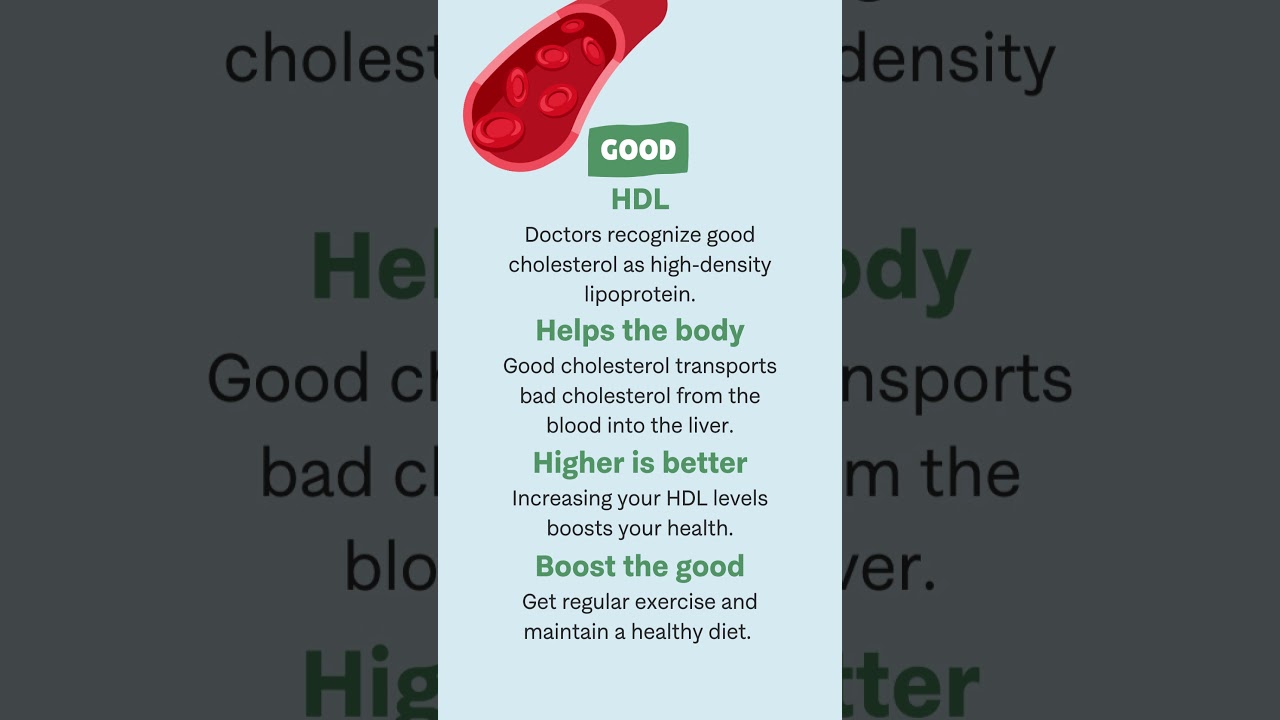
Good vs. Bad Cholesterol🩺 HDL (Good Cholesterol) helps remove excess cholesterol from the bloodstream and supports heart health. ⚠️ LDL (Bad Cholesterol) can build up in the arteries, increasing the risk of heart disease.🚶♂️ Regular exercise and a balanced diet can help increase HDL levels. 🥗 Limiting fatty and processed foods can help control LDL levels.👨⚕️ Consult Dr. Prashant Jain for personalized guidance on maintaining healthy cholesterol levels. 📞 Call: +91 7411016510 / +91 7703992118
Recognising early signs of chronic heart disease — persistent fatigue, exertional breathlessness, mild chest discomfort — before they escalate. A clinician's note on preventive cardiac care.

In an era where natural remedies are increasingly becoming a preferred option for maintaining health and wellness, soursop leaves have emerged as a potent source of medicinal properties.

Learn how generic medicines are transforming healthcare by offering cost-effective, reliable alternatives to branded drugs.

Myocardial infarction (MI), commonly known as a heart attack, is a medical emergency where blood flow to the heart is blocked, causing tissue damage.
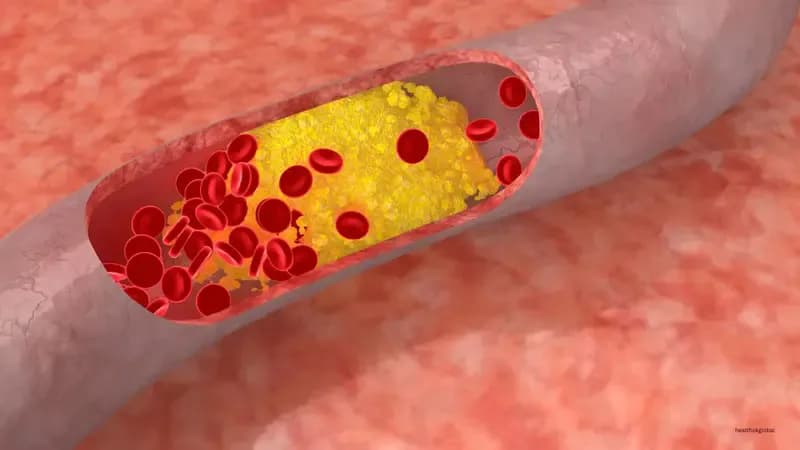
Explore the benefits and uses of homeopathic medicine for managing cholesterol levels. This guide provides essential information on effective homeopathic remedies for cholesterol management.
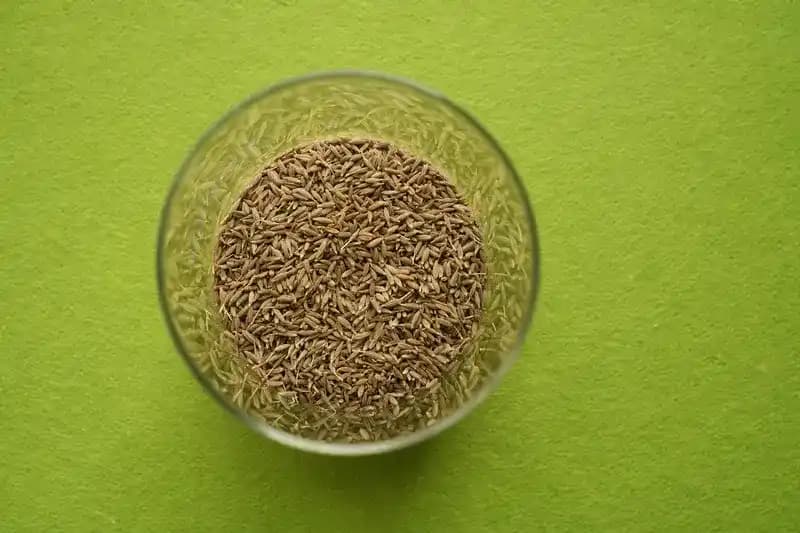
Cumin, a spice that's been a staple in culinary traditions around the world, is not just prized for its distinctive flavor but also for its plethora of health benefits.

Chronic Kidney Disease (CKD) is a condition characterized by the gradual loss of kidney function.

Karela, also known as bitter gourd, is not just another vegetable; it's a powerhouse of nutrients offering myriad health benefits.

Discovering albumin in urine, a condition known as albuminuria, can be a startling revelation for many.
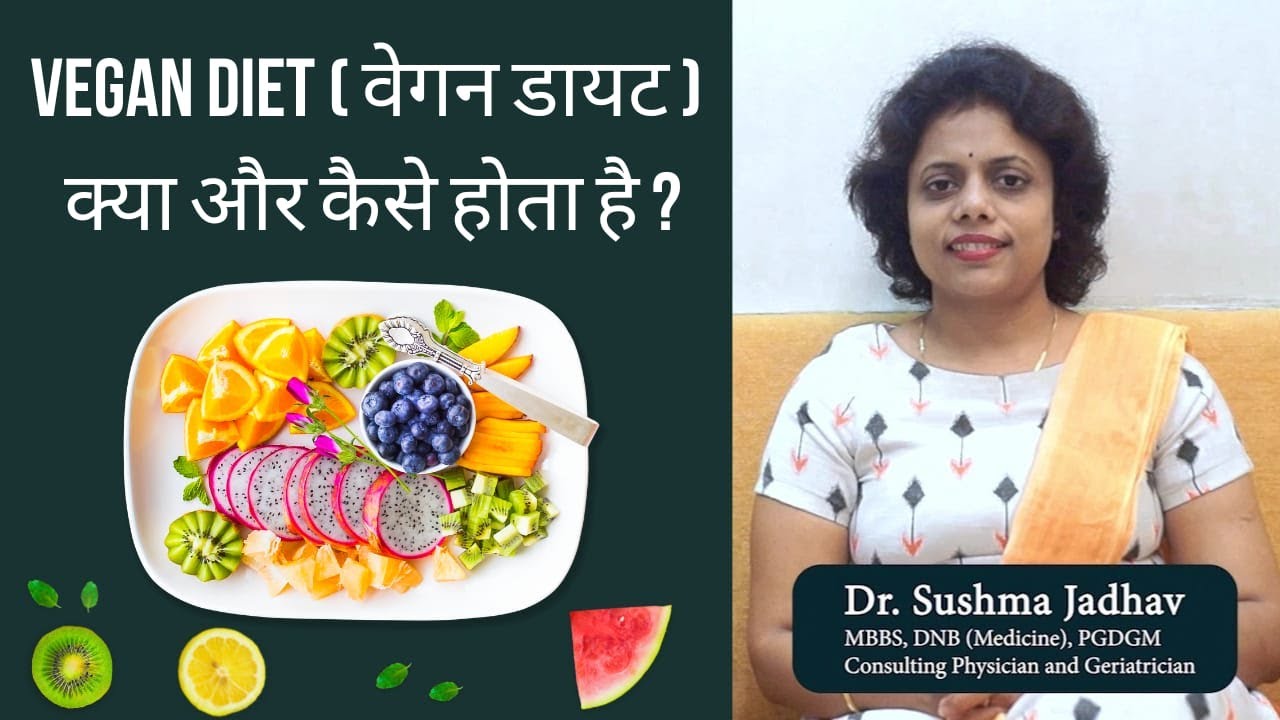
Understand the value of the diet you are taking before adding it to your plan, Most important Vegan Diet to know about the vegan diet.

The carnivore diet, characterized by its strict inclusion of animal products and exclusion of plant-based foods, has been gaining popularity among health enthusiasts seeking a simplified yet impactful way to eat.

A balanced diet is essential for maintaining overall health and well-being.

Fast food is convenient but can impact health. Learn about fast food news, healthy options, gluten-free choices, and the best fast food deals while maintaining a balanced diet.

Autoimmune diseases like RA, lupus, type 1 diabetes, and multiple sclerosis all start with the same mistake, the immune system attacking the body's own tissues. Understanding the four core mechanisms (genetic risk, molecular mimicry, immune-regulation failure, environmental triggers) helps make sense of why these conditions cluster in families and flare during infections.

White radish can be part of a varied diet. Learn about its nutrients, diabetes meal context, thyroid medicine timing, jaundice, washing and allergy signs.

For adults in India, sustainable eating, activity and sleep habits support health. Learn the guidance and how screening depends on age and risk.
Verified specialists across India
India has more than 100 million people with diabetes and another ~130 million with prediabetes — the highest absolute burden of any country after China. South Asians develop type 2 diabetes at lower BMI and younger ages than Europeans, driven by genetics, high-carb diets (rice, roti, sweets), and low activity levels. Every Indian adult over 30 with any risk factor (family history, overweight, high BP, PCOS, past gestational diabetes) should get their fasting sugar and HbA1c checked at least once.
Type 1 is an autoimmune condition where the pancreas stops making insulin — usually diagnosed in childhood or adolescence, always needs insulin from day one. Type 2 is a mix of insulin resistance and gradually failing insulin production — usually adult-onset, strongly linked to weight, diet, and inactivity, often managed with tablets and lifestyle for years before insulin becomes necessary. About 90-95% of diabetes in India is type 2. Prediabetes is the intermediate stage where sugars are elevated but not yet in the diabetes range — the best window to reverse course.
HbA1c reflects your average blood sugar over the past 2-3 months. Below 5.7% is normal; 5.7-6.4% is prediabetes; 6.5% or higher on two tests is diabetes. For most adults with diagnosed type 2 diabetes, the target is under 7% — but your endocrinologist may set it higher (7-8%) if you're older, have heart disease, or are prone to hypoglycemia, and lower (below 6.5%) if you're young, newly diagnosed, and otherwise healthy. Numbers matter, but so does how you get there.
Yes — well-documented in Indian and international trials. Early type 2 diabetes (within 5-6 years of diagnosis, especially if overweight) can go into remission with significant weight loss (10-15% of body weight), a structured lower-carb Indian diet, and regular exercise. Some patients come off medication entirely; others reduce doses. Remission isn't cure — sugars can rise again with weight regain — so the changes have to stick. Talk to a diabetologist before stopping any medication.
Uncontrolled diabetes damages small and large blood vessels over years — leading to eye disease (retinopathy, sometimes blindness), kidney disease (nephropathy, sometimes dialysis), nerve damage (neuropathy with pain, numbness, foot ulcers), heart attack, stroke, and non-healing wounds. Good sugar control (HbA1c under 7%), blood pressure under 130/80, LDL cholesterol under 100, no smoking, and annual eye and kidney checks prevent most of these. The complications are what make diabetes serious — not the sugar number itself.
Ask our medical community. Your question may help others with similar concerns.