How to Test for Magnesium Deficiency at Home: An Essential Guide

How to Test for Magnesium Deficiency at Home: An Essential Guide

Overview

Magnesium plays a vital role in many bodily functions, including muscle and nerve function, blood sugar control, and bone health.

Introduction

Magnesium plays a vital role in many bodily functions, including muscle and nerve function, blood sugar control, and bone health. Yet, magnesium deficiency is often overlooked. This guide explores how to recognize the signs of magnesium deficiency and ways to test for it at home, ensuring you can take steps to maintain optimal health.

Understanding Magnesium Deficiency

Magnesium deficiency, or hypomagnesemia, can manifest through various symptoms due to its involvement in over 300 biochemical reactions in the body. Symptoms can range from mild to severe, including muscle cramps, fatigue, irregular heartbeat, and difficulty sleeping.

Early Signs of Magnesium Deficiency

Identifying magnesium deficiency early can help you address it before it leads to more serious health issues. Common early signs include:

Fatigue and muscle weakness

Loss of appetite

Nausea and vomiting

How to Test for Magnesium Deficiency at Home

While laboratory tests are the most accurate way to diagnose magnesium deficiency, observing your body's signs and symptoms can provide initial insights. Here’s how you can start:
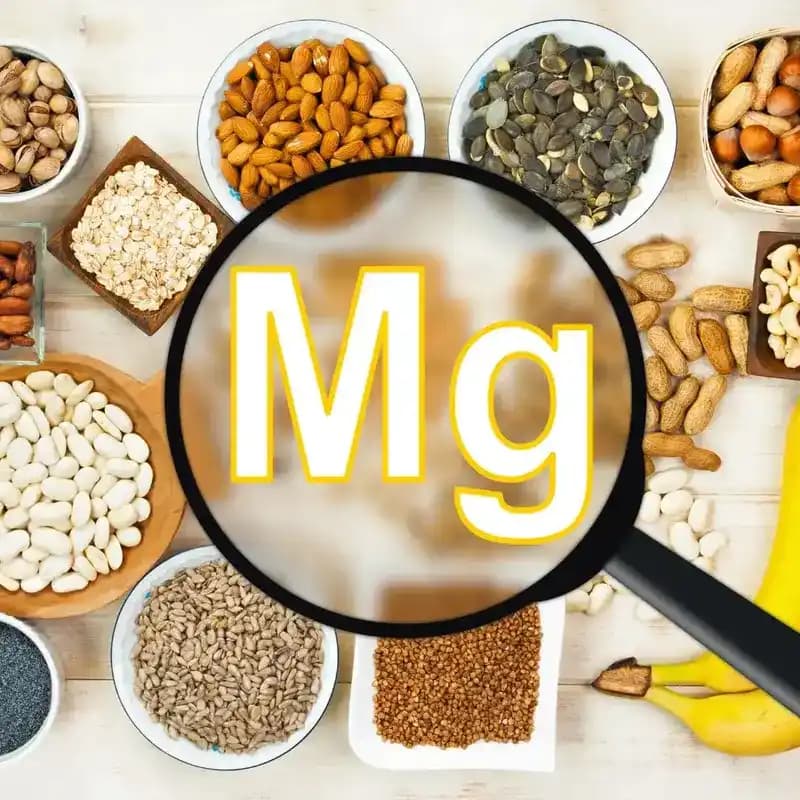
One of the simplest ways to gauge if you might be magnesium deficient is by evaluating your diet. Magnesium-rich foods include green leafy vegetables, nuts, seeds, and whole grains. If these are lacking in your daily meals, you might not be getting enough magnesium.

Dietary Assessment:

Keeping a journal of your daily health symptoms can also help you spot patterns that might be linked to magnesium deficiency. Documenting instances of unexplained muscle cramps, fatigue, or changes in mood over time can provide clues to your magnesium intake.

Symptom Journal:

Although less common than other home health tests, some over-the-counter magnesium home testing kits measure magnesium levels in saliva or urine. While not as definitive as blood tests, they can offer additional information about your magnesium status.

Magnesium Home Testing Kits:

Boosting Your Magnesium Intake

If you suspect you're not getting enough magnesium, there are natural ways to boost your intake:
Incorporate more magnesium-rich foods into your diet. Regularly consuming green leafy vegetables, nuts, seeds, and whole grains can naturally increase your magnesium levels.

Dietary Changes:

Magnesium supplements are an option, but it's important to choose the right type and dosage. Consult with a healthcare professional before starting any supplement regimen.

Magnesium Supplements:

Epsom salt (magnesium sulfate) baths can provide a form of transdermal magnesium absorption, potentially offering a soothing way to increase your magnesium levels while relaxing your muscles.

Epsom Salt Baths:

When to Seek Professional Advice

If home assessments and dietary adjustments don't alleviate your symptoms, or if you experience severe symptoms of magnesium deficiency, it's crucial to seek professional medical advice. A healthcare provider can order comprehensive tests to accurately diagnose magnesium deficiency and other conditions, ensuring you receive appropriate treatment.

Conclusion: Proactive Health Management

Knowing how to test for magnesium deficiency at home and understanding how to address it can play a significant role in proactive health management. By staying alert to the signs of magnesium deficiency and making informed choices about your diet and lifestyle, you can support your body's needs and maintain your well-being.


Frequently Asked Questions

What are the first signs of magnesium deficiency and how common is it in India?

Early signs include muscle cramps (especially nocturnal leg cramps), unexplained fatigue, poor sleep, anxiety, and loss of appetite. As deficiency progresses: irregular heartbeat (palpitations), numbness/tingling, and in severe cases, tetany and seizures. Magnesium deficiency is surprisingly common — a 2017 NHANES analysis estimated 48% of Americans are below the RDA; Indian data is limited but a 2020 study in the Journal of Clinical Biochemistry and Nutrition found significant hypomagnesemia in 30–40% of type 2 diabetics in India. High-risk groups: diabetics (glucose-driven renal magnesium loss), people on PPIs (omeprazole, pantoprazole block intestinal magnesium absorption), heavy alcohol users, and people with inflammatory bowel disease. If you have unexplained muscle cramps + poor sleep + anxiety together, magnesium deficiency is worth investigating with a blood test before starting supplements.

Can I accurately test for magnesium deficiency at home?

Not definitively, but you can identify risk factors. The key problem: standard serum magnesium blood tests are unreliable — only 1% of magnesium is in the blood; the rest is in bones and cells. A ‘normal’ serum level can exist even with significant intracellular deficiency. The most accurate test is RBC (red blood cell) magnesium — ask your doctor specifically for this, not just ‘serum magnesium’. Home indicators to assess: (1) Diet audit — are you eating magnesium-rich foods (nuts, seeds, dark leafy greens, whole grains) daily? Indian diet often low in these; (2) Symptom checklist — nocturnal cramps + fatigue + poor sleep + anxiety + frequent constipation = strong indicator; (3) Medication review — on PPIs, diuretics, or metformin? All deplete magnesium. Urine magnesium home test kits exist (available on Amazon India, ~₹500–1,000) but measure excretion, not tissue stores — useful only as an adjunct. Get an RBC Mg test through any pathology lab in India (Apollo, SRL, Dr Lal PathLabs) — typically ₹400–800.

Which magnesium supplement is best — glycinate, oxide, citrate, or malate?

The type matters significantly for both absorption and use case: Magnesium oxide: cheapest, most common in Indian pharmacies (Magnex, Mag-OK), but only 4% absorbed — mainly used as a laxative (high dose causes loose stools), not for deficiency correction. Magnesium citrate: 25–30% absorbed, well-tolerated, mild laxative effect — good general-purpose choice; available in India as supplements. Magnesium glycinate: 80%+ absorbed, no laxative effect, calming effect (glycine is an inhibitory amino acid) — best for sleep disorders, anxiety, and muscle cramps without GI side effects. Highest quality but most expensive (~₹1,500–2,500 for 60 caps). Magnesium malate: good absorption, supports muscle energy (malate is a Krebs cycle intermediate) — used for fibromyalgia and chronic fatigue. Standard daily dose for deficiency: 200–400mg elemental magnesium (check the elemental Mg amount, not the compound weight on the label). Take with food to reduce GI side effects. Do not exceed 400mg/day from supplements — excess causes diarrhoea; most people should get 150–200mg from supplements + 200mg from diet.

What foods highest in magnesium can I eat in an Indian diet?

The best magnesium sources available in India: Pumpkin seeds (kaddu ke beej): 156mg per 28g — highest density of any common food; easily added to dal or salads. Dark chocolate (70%+): 65mg per 28g — bonus antioxidants. Almonds: 80mg per 28g — also widely eaten in India, soaking increases absorption. Cashews: 74mg per 28g. Rajma (kidney beans): 74mg per 100g cooked. Chana dal: 48mg per 100g cooked. Spinach (palak): 87mg per 100g cooked. Banana: 32mg per medium fruit. Brown rice: 84mg per cup cooked (far superior to white rice at 19mg). A practical Indian target: 1 handful (30g) of mixed nuts + 1 cup palak sabzi + 1 cup rajma + 2 bananas = approximately 280–320mg magnesium daily from diet alone, meeting most adults’ RDA of 310–420mg. The Indian habit of soaking and pressure-cooking legumes reduces phytate content, improving magnesium absorption by 20–30%.

Questions About This Article

Have a question? Ask the author directly.

Have a question about this article?

Ask Zocvi Editorial directly. Your question may help others with similar concerns.

Q:1 answer
Q:1 answer
Q:1 answer
Q:1 answer

Comments (0)

Found this helpful? Share it!

LinkedInWhatsApp

More from Zocvi Editorial

Other Articles You May Like

Related Topics

Find a Doctor for Diabetes Lifestyle

Verified specialists across India

Dr. Ridhi Khanna

Dietitian & Nutritionist

14 yrs

Amritsar

Eat it Right
Joshi Colony, Amritsar, Punjab, 143001
₹500 consultation