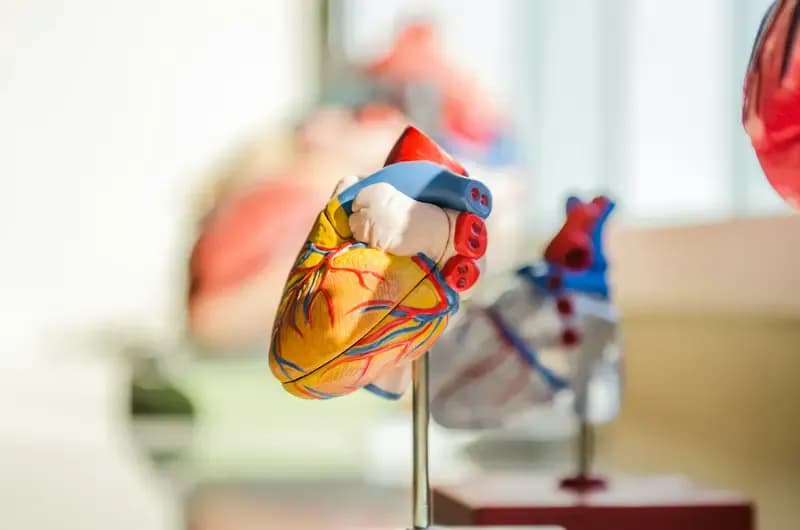
Cardiovascular Disease Symptoms: What to Watch For

Cardiovascular Disease Symptoms: What to Watch For

Overview

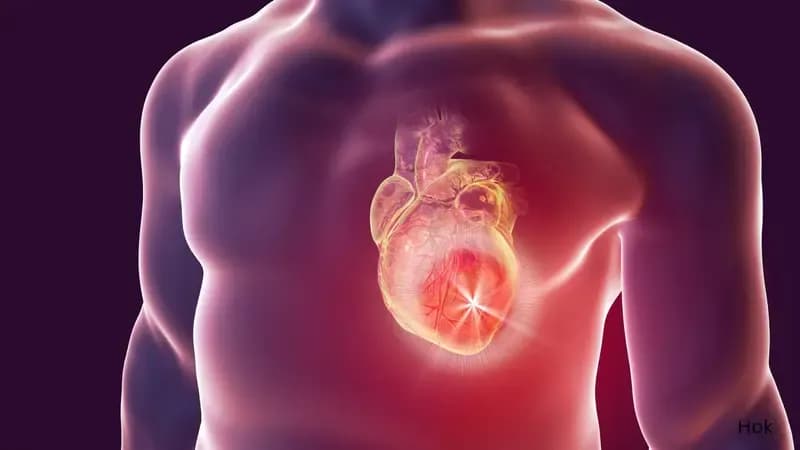
Cardiovascular diseases (CVDs) are a group of disorders that affect the heart and blood vessels, leading to various complications if left untreated.

Introduction

Cardiovascular diseases (CVDs) are a group of disorders that affect the heart and blood vessels, leading to various complications if left untreated. Recognizing the symptoms of cardiovascular disease is crucial for early detection and timely intervention. In this comprehensive guide, we'll explore the common symptoms of CVDs, key warning signs to watch for, and preventive measures to maintain heart health.

Common Cardiovascular Disease Symptoms

One of the most common symptoms of cardiovascular disease is chest pain or discomfort, often described as pressure, tightness, or squeezing sensation in the chest. This symptom, known as angina, typically occurs during physical exertion or emotional stress and may radiate to the arms, shoulders, neck, or jaw.

Chest Pain or Discomfort:

Shortness of breath, also known as dyspnea, can be a sign of underlying cardiovascular problems. Individuals with CVDs may experience difficulty breathing, especially during physical activities or when lying flat. Persistent or worsening shortness of breath warrants medical evaluation to rule out heart-related issues.

Shortness of Breath:

Fatigue or extreme tiredness is another common symptom of cardiovascular disease. Individuals with CVDs may experience persistent fatigue, weakness, or lack of energy, even with adequate rest. Fatigue may be a result of reduced blood flow to the muscles and tissues or underlying heart rhythm abnormalities.

Fatigue:

Warning Signs of Cardiovascular Disease

Irregular heartbeats, also known as arrhythmias, can indicate an underlying heart condition. Symptoms may include palpitations, fluttering sensations in the chest, or a racing heart. Arrhythmias may increase the risk of complications such as blood clots, stroke, or sudden cardiac arrest if left untreated.

Irregular Heartbeat:

Swelling in the legs, ankles, feet, or abdomen may occur in individuals with cardiovascular disease due to fluid retention, known as edema. This symptom may result from heart failure, a condition in which the heart cannot pump blood effectively, leading to fluid buildup in the body's tissues.

Swelling:

Dizziness, lightheadedness, or fainting spells may indicate inadequate blood flow to the brain, a common complication of cardiovascular disease. These symptoms may occur suddenly, especially upon standing up or exerting oneself, and should be evaluated by a healthcare professional.

Dizziness or Fainting:

Preventive Measures for Heart Health

Adopting a healthy lifestyle is essential for preventing cardiovascular disease. This includes maintaining a balanced diet rich in fruits, vegetables, whole grains, and lean proteins, as well as regular exercise, adequate sleep, and stress management techniques.

Maintain a Healthy Lifestyle:

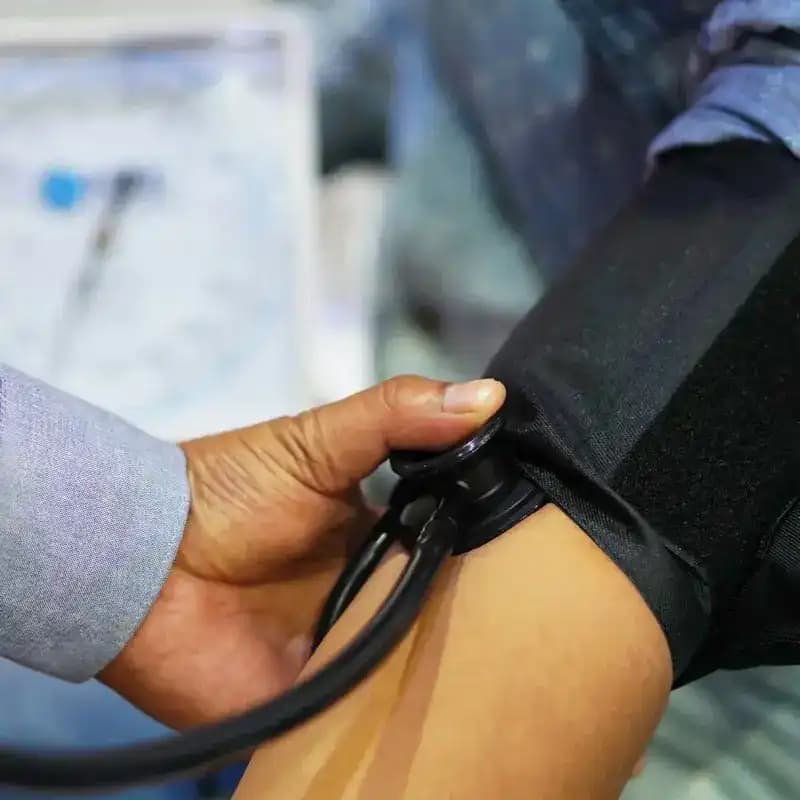
Regular monitoring of blood pressure and cholesterol levels is crucial for early detection and management of cardiovascular risk factors. High blood pressure and elevated cholesterol levels are significant contributors to heart disease and should be controlled through lifestyle modifications and, if necessary, medication.

Monitor Blood Pressure and Cholesterol Levels:

Smoking and tobacco use significantly increase the risk of cardiovascular disease and other health complications. Quitting smoking and avoiding exposure to secondhand smoke are essential steps for maintaining heart health and reducing the risk of CVDs.

Avoid Tobacco Use:

About Zocvi

Zocvi connects patients with verified doctors and evidence-based health guidance. Visit zocvi.com or reach us on WhatsApp at +91-92724-57637.

Conclusion

In conclusion, recognizing the symptoms of cardiovascular disease and taking preventive measures are essential for maintaining heart health and reducing the risk of complications. By staying vigilant, adopting a healthy lifestyle, and seeking expert guidance from providers like Zocvi, individuals can take proactive steps to protect their hearts and lead a fulfilling life.


Frequently Asked Questions

What does heart attack chest pain feel like?

Pressure, tightness, or a squeezing feeling in the centre of the chest — often described as an elephant sitting on the chest. It can spread to the left arm, jaw, or back. Unlike gas or muscle pain, it usually doesn't ease with movement or antacids. Call an ambulance if it lasts more than 10 minutes.

Can heart disease symptoms look different in women?

Yes. Women often present with fatigue, nausea, jaw or upper-back pain, and shortness of breath — without the classic chest pain. Indian women in particular under-report cardiac symptoms, and heart attacks are frequently missed as 'gastric' or 'acidity'. Any new unexplained fatigue or breathlessness deserves an ECG.

Is leg swelling always a sign of heart failure?

Not always — kidney disease, venous problems, and long sitting can also cause it. But bilateral swelling (both legs) that gets worse through the day and improves overnight, especially with breathlessness on lying flat, points to heart failure. See a doctor within a week; it needs an echocardiogram.

When should palpitations worry me?

Occasional flutters after coffee, stress, or exertion are usually harmless. See a doctor if palpitations last more than a few minutes, come with chest pain, dizziness, or breathlessness, or happen at rest. A resting ECG plus a 24-hour Holter monitor can catch arrhythmias like AFib that raise stroke risk.

Questions About This Article

Have a question? Ask the author directly.

Have a question about this article?

Ask Zocvi Editorial directly. Your question may help others with similar concerns.

Q:1 answer
Q:1 answer
Q:1 answer
Q:1 answer

Comments (0)

Found this helpful? Share it!

LinkedInWhatsApp

More from Zocvi Editorial

Other Articles You May Like

Dr. Prashant Jain

Ayurvedic Doctor • 12 yrs • Delhi

64 views

Heart Health Tips by Dr. Prashant Jain

Nirmal Ayurved

Keeping your heart healthy is essential for a long, vibrant life. Nirmal Ayurved is here to help you with practical tips and expert guidance from Dr. Prashant Jain (BAMS, MD, PhD). Top Tips for a Healthy Heart:Lose Weight if Overweight: Shedding those extra pounds can significantly improve your heart health. Eat a Heart-Healthy Diet: Incorporate fruits, vegetables, whole grains, and lean proteins into your meals. Don't Use Tobacco: Quitting smoking is one of the best things you can do for your heart. Avoid Alcohol: Limit or eliminate alcohol consumption to reduce strain on your heart. Increase Physical Activity: Aim for at least 2.5 hours of exercise per week. Even brisk walking can make a big difference! Regular Health Check-ups: Monitor your blood pressure and blood sugar levels regularly to stay ahead of potential issues. Consult with Dr. Prashant Jain for personalized advice and holistic care! Contact Us:+91 7411016510+91 7703992118 Email:nirmalayurved01@gmail.comayufertilitydelhi@gmail.comTake charge of your heart health today with Nirmal Ayurved!

Dr. Prashant Jain

Ayurvedic Doctor • 12 yrs • Delhi

63 views

Arjun Ki Chai for a Healthy Heart

Celebrate World Heart Day with Dr.

Celebrate World Heart Day with Dr. Prashant Jain’s Arjun Ki Chai! ❤️🫖On this special occasion of World Heart Day, let’s focus on nurturing our heart health with the natural goodness of Arjun Ki Chall Ki Chai. Dr. Prashant Jain shares this fantastic recipe, packed with benefits to support your heart.🌿 What is Arjun Ki Chall?Derived from the bark of the Terminalia arjuna tree, Arjun has been revered in Ayurvedic medicine for centuries. It’s known to strengthen the heart muscles, improve circulation, and help manage blood pressure.Benefits of Arjun Ki Chall Ki Chai:✅Heart Health: Supports cardiovascular function and reduces cholesterol levels.✅Antioxidant Properties: Fights free radicals, promoting overall health.✅Blood Pressure Regulation: Helps maintain optimal blood pressure levels.✅Digestive Aid: Improves digestion and detoxifies the body.Recipe for Arjun Ki Chall Ki Chai:Ingredients:a. 1-2 tsp Arjun ki Chall powderb. 2 cups waterc. 1-2 tsp honey (optional)d. Lemon slice (optional)Instructions:✅Boil the water in a saucepan.✅Add the Arjun ki Chall powder and let it simmer for 5-7 minutes.✅Strain the tea into a cup.✅Add honey and a slice of lemon if desired for taste.✅Sip and enjoy the benefits!Why Choose Ayurveda?Integrating Ayurvedic practices into your daily routine not only promotes heart health but also enhances your overall well-being. Let’s make a conscious effort this World Heart Day to prioritize our heart health naturally!For more health tips, connect with us: 📞 Call: +91 74110 16510🌐 Visit: www.nirmalayurved.co.in

Dr. Prashant Jain

Ayurvedic Doctor • 12 yrs • Delhi

61 views

Good vs Bad Cholesterol: Know the Difference

Good vs Bad Cholesterol: Know the Difference

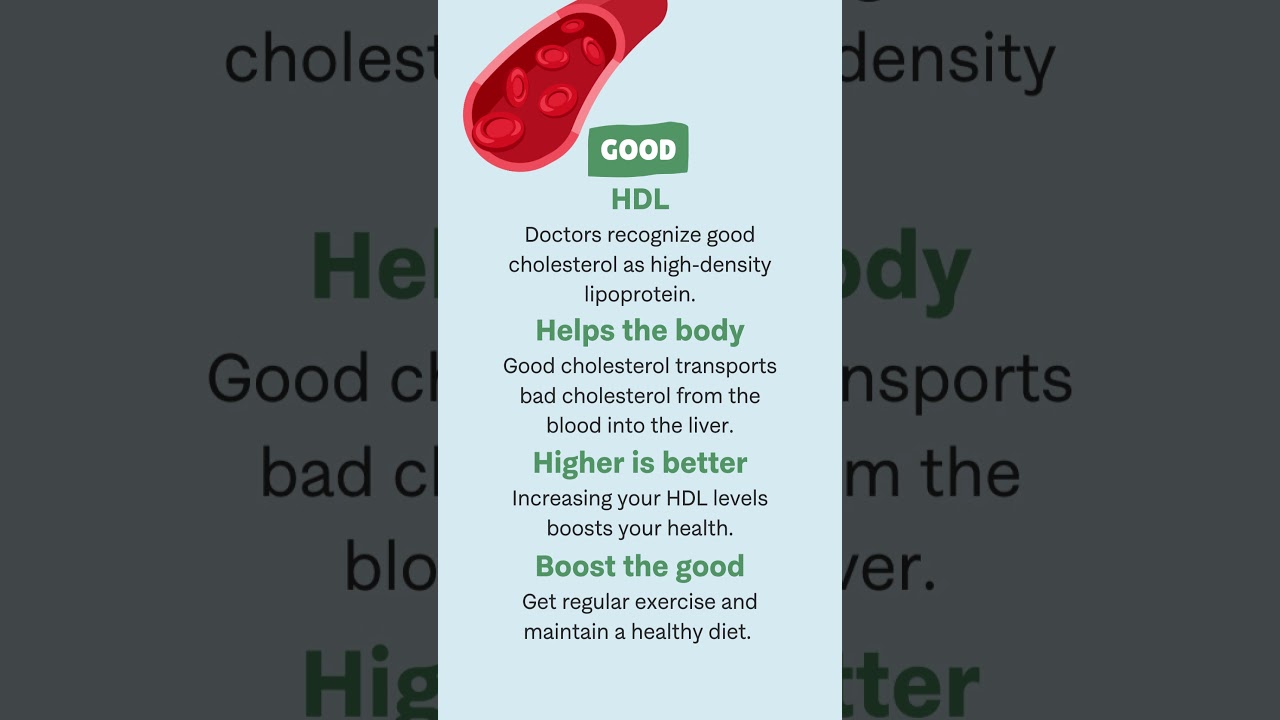
Good vs. Bad Cholesterol🩺 HDL (Good Cholesterol) helps remove excess cholesterol from the bloodstream and supports heart health. ⚠️ LDL (Bad Cholesterol) can build up in the arteries, increasing the risk of heart disease.🚶‍♂️ Regular exercise and a balanced diet can help increase HDL levels. 🥗 Limiting fatty and processed foods can help control LDL levels.👨‍⚕️ Consult Dr. Prashant Jain for personalized guidance on maintaining healthy cholesterol levels. 📞 Call: +91 7411016510 / +91 7703992118

Related Topics

Find a Doctor for Blood Pressure Management

Verified specialists across India

Dr. Abhijit Joshi

Cardiologist

25 yrs

Pune

Clinic
Pune, Maharashtra, 411045
₹1000 consultation
EmailWhatsApp

Dr. T A Madheswaran

Cardiologist

Coimbatore

Sri Ramakrishna Hospital
Balasundaram Layout, Coimbatore, Tamil Nadu, 641044
Fee on request

Dr. V C Chauhan

Cardiologist

33 yrs

Vadodara

Atmajyoti Clinic
Ellora Park, Vadodara, Gujarat, 390021
₹1200 consultation

Dr. Rohit Bhagat

Cardiologist

13 yrs

Ghaziabad

Mediwin Hospital
Sector 11, Ghaziabad, Uttar Pradesh, 201002
₹800 consultation