Discover the Wonders: Health Benefits of Cumin

Discover the Wonders: Health Benefits of Cumin

Overview

Cumin, a spice that's been a staple in culinary traditions around the world, is not just prized for its distinctive flavor but also for its plethora of health benefits.

Introduction

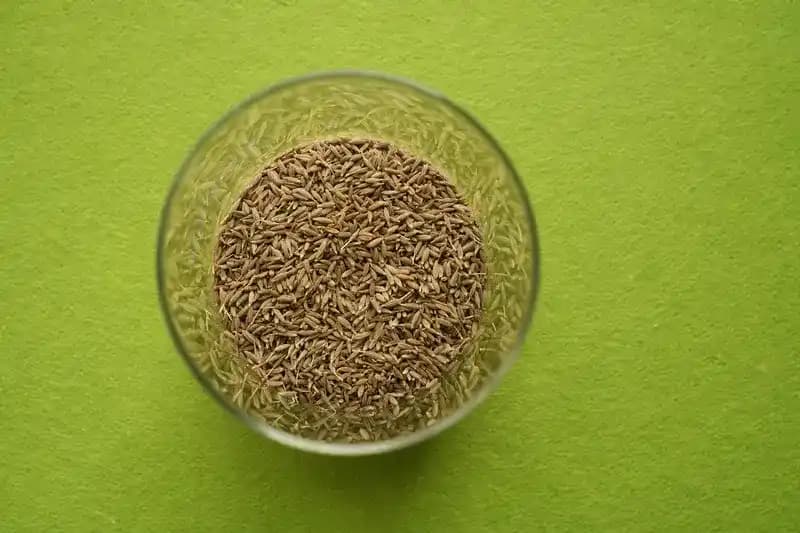
Cumin, a spice that's been a staple in culinary traditions around the world, is not just prized for its distinctive flavor but also for its plethora of health benefits. This small seed, derived from the Cuminum cyminum plant, has been used for thousands of years in traditional medicine. Today, modern science is beginning to uncover the vast array of health benefits cumin seeds offer, from aiding digestion to boosting the immune system. Let's dive deeper into the health benefits of cumin and why it should be a part of your daily diet.

The Nutritional Powerhouse: Health Benefits of Cumin Seeds

Cumin seeds are a rich source of iron, an essential mineral crucial for energy production and the transportation of oxygen in the blood. Just a teaspoon of cumin seeds can provide a significant portion of the daily recommended intake of iron, especially beneficial for people prone to anemia or those looking to boost their energy levels.

Aiding Digestion: The Gastrointestinal Benefits

One of the most well-known health benefits of cumin is its ability to aid in digestion. The spice stimulates the secretion of digestive enzymes, facilitating the breakdown of fats and complex carbohydrates. This can help reduce symptoms of gas and bloating, making cumin a great natural remedy for digestive discomfort. Furthermore, cumin's antibacterial properties can help fight off harmful bacteria, reducing the risk of gastrointestinal infections.

Enhancing Immune Function: Beyond Digestion

The health benefits of cumin extend far beyond digestion. Cumin seeds are packed with antioxidants, which help combat oxidative stress and reduce inflammation in the body. This not only strengthens the immune system but also lowers the risk of chronic diseases such as heart disease and cancer. Additionally, cumin's high vitamin C content further bolsters the immune defense, protecting the body against infections.

Weight Loss and Blood Sugar Regulation

Emerging research suggests that cumin may also play a role in promoting weight loss and managing blood sugar levels. Compounds in cumin seeds have been found to influence metabolic processes, potentially helping in reducing body fat and improving insulin sensitivity. For those managing diabetes or looking to maintain a healthy weight, incorporating cumin into the diet could be beneficial.

The Antioxidant Effect: Fighting Inflammation and Disease

Cumin's potent antioxidant properties are crucial for its health benefits. These antioxidants not only help mitigate the damage caused by free radicals but also have anti-inflammatory effects. Chronic inflammation is a root cause of many health conditions, and by reducing inflammation, cumin can help protect against many diseases, including arthritis and heart disease.

Boosting Heart Health: The Cardiovascular Benefits

Cumin's impact on heart health is noteworthy. Its antioxidants, combined with the ability to improve cholesterol levels, make it a heart-friendly spice. Cumin can help lower LDL (bad) cholesterol while increasing HDL (good) cholesterol, reducing the overall risk of cardiovascular diseases. Additionally, the magnesium and potassium in cumin seeds support healthy blood pressure levels, further contributing to heart health.

Culinary Uses: Incorporating Cumin for Health

Integrating cumin into your diet is simple and versatile. Its earthy and slightly spicy flavor makes it a perfect addition to a variety of dishes, from curries and stews to soups and salads. You can also experiment with cumin tea or water as a healthful drink that leverages the digestive benefits of cumin.

Precautions and Recommendations

While cumin is generally safe for consumption, moderation is key, as excessive intake may lead to side effects such as heartburn or stomach discomfort. As with any dietary change or supplement, it's always best to consult with a healthcare professional, especially if you have underlying health conditions or are pregnant.

Conclusion: Cumin—A Spice for Health and Flavor

The health benefits of cumin are as diverse as they are significant. From aiding digestion and boosting the immune system to supporting heart health and aiding in weight management, cumin proves to be more than just a flavor enhancer. As you explore the health benefits of cumin seeds and incorporate them into your daily diet, you'll find that this ancient spice can be a modern-day superfood, ready to support your health and wellness journey.


Frequently Asked Questions

How does jeera (cumin) help with digestion and gas?

Jeera contains thymoquinone and cuminaldehyde — volatile oils that stimulate the pancreas to secrete digestive enzymes including lipase, amylase, and protease. This accelerates breakdown of fats and carbohydrates and reduces fermentation in the gut, directly reducing bloating and gas. A 2013 study in Middle East Journal of Digestive Diseases found cumin extract significantly reduced IBS symptoms including bloating and abdominal pain after 4 weeks. Practically: jeera pani (1 tsp cumin simmered in 1 cup water for 5 minutes, strained, drunk warm before meals) is a traditional and pharmacologically sound remedy. Whole jeera added to dal tadka is equally effective — the heat releases the volatile oils.

Does jeera pani actually help with weight loss?

The evidence is modest but real. A 2014 randomised trial in Complementary Therapies in Clinical Practice gave overweight women 3g cumin powder in yogurt daily for 3 months vs. plain yogurt. The cumin group lost significantly more body fat (14.64% vs 4.91%) and had lower fasting insulin. The proposed mechanism is improved insulin sensitivity (cumin reduces insulin resistance) combined with mild thermogenic effect from cuminaldehyde. Jeera pani itself is essentially water with trace cumin compounds — the weight loss benefit is from regular cumin in diet, not water volume alone. 1 tsp cumin daily in cooking or jeera pani is a safe, low-risk addition; it is not a standalone weight loss intervention without dietary changes.

Is cumin safe to eat if I have diabetes?

Yes — cumin is safe and potentially beneficial for type 2 diabetics at culinary doses. Cuminaldehyde and thymoquinone have been shown to improve insulin sensitivity and reduce fasting blood glucose in several animal and small human studies. A 2010 study in Food and Chemical Toxicology showed significant HbA1c reduction with cumin supplementation. At normal cooking amounts (1–2 tsp/day), cumin does not cause hypoglycemia on its own. However, if you are on insulin or sulfonylureas (like glipizide or glibenclamide), be aware that cumin has additive blood-sugar-lowering effects — your medication dose may need adjustment if you dramatically increase intake. Always inform your doctor if you are using cumin medicinally (i.e., as supplements, not just cooking).

How much cumin is safe to eat daily and are there any side effects?

As a cooking spice, 1–2 teaspoons (2.5–5g) per day is completely safe for virtually all healthy adults. In clinical studies, up to 3g/day as a supplement has been used without serious adverse effects. Potential side effects at high doses: (1) Heartburn and acid reflux — cumin stimulates gastric acid secretion, problematic for GERD; (2) Loose stools if consumed in excess (>5g/day); (3) Hypoglycaemia risk if combined with antidiabetic medications — monitor blood sugar; (4) Blood-thinning effect at pharmacological doses — stop high-dose cumin supplements 2 weeks before surgery. Pregnant women should avoid cumin supplements (may stimulate uterine contractions) — culinary use in food is safe. No toxicity concerns at normal Indian cooking quantities.

Questions About This Article

Have a question? Ask the author directly.

Have a question about this article?

Ask Zocvi Editorial directly. Your question may help others with similar concerns.

Q:1 answer
Q:1 answer
Q:1 answer
Q:1 answer

Comments (0)

Found this helpful? Share it!

LinkedInWhatsApp

More from Zocvi Editorial

Other Articles You May Like

Related Topics

Find a Doctor for Diabetes Prevention

Verified specialists across India

Dr. Prashant Jain

Ayurvedic Doctor

12 yrs

Delhi

Nirmal Ayurved
Shahdara – Jyoti Nagar West, Delhi, Delhi, 110094
Fee on request
EmailWhatsApp

Dr. Shrinivas Patil

Ayurvedic Doctor

20 yrs

Belagavi

Shri Ayurved
Madhavpur Vadgaon, Belagavi, Karnataka, 590005
₹150 consultation

Dr. Saurabh Soni

Ayurvedic Doctor

20 yrs

Jhansi

Dr Saurabh Soni Clinic
Jhansi, Jhansi, Uttar Pradesh, 284128
₹300 consultation

Dr. Ritesh Chawla

Ayurvedic Doctor

20 yrs

Amritsar

Deevya Ayurveda and Panchkarma Centre
Kashmir Avenue, Amritsar, Punjab, 143001
₹500 consultation