
Introduction
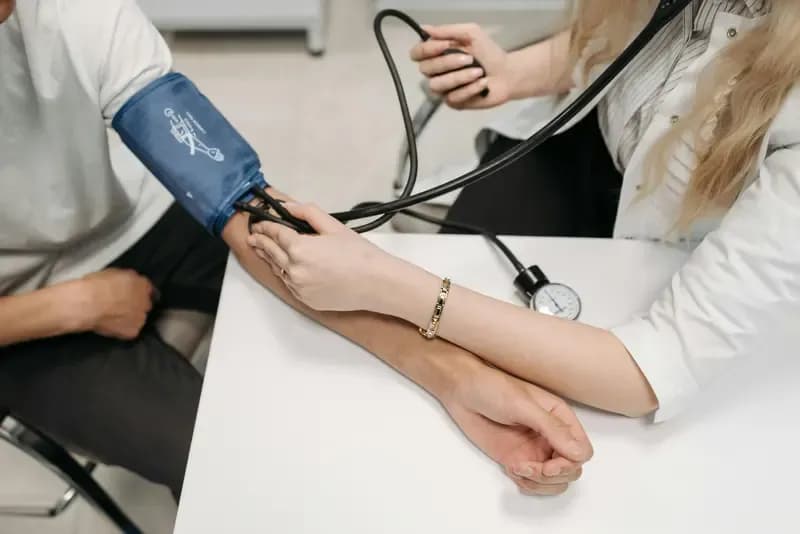
Hypertension, or high blood pressure, affects over 1 billion people globally and is a leading risk factor for heart disease, stroke, and kidney failure. Often dubbed the 'silent killer,' it can progress unnoticed until severe symptoms arise. However, certain signs like hypertension headaches, hypertensive heart disease, and labile hypertension can help in identifying and managing this condition. This guide provides in-depth insights into these manifestations and offers evidence-based solutions for managing hypertension effectively.
What Is a Hypertension Headache?
A hypertension headache is one of the potential warning signs of severely elevated blood pressure, especially when systolic blood pressure rises above 180 mmHg. This type of headache often presents as a throbbing sensation on both sides of the head, usually intensifying during physical activity or emotional stress. While not everyone with high blood pressure experiences headaches, it’s critical to recognize this as a potential indicator of hypertensive urgency or emergency.
Identifying and Managing Hypertension Headaches
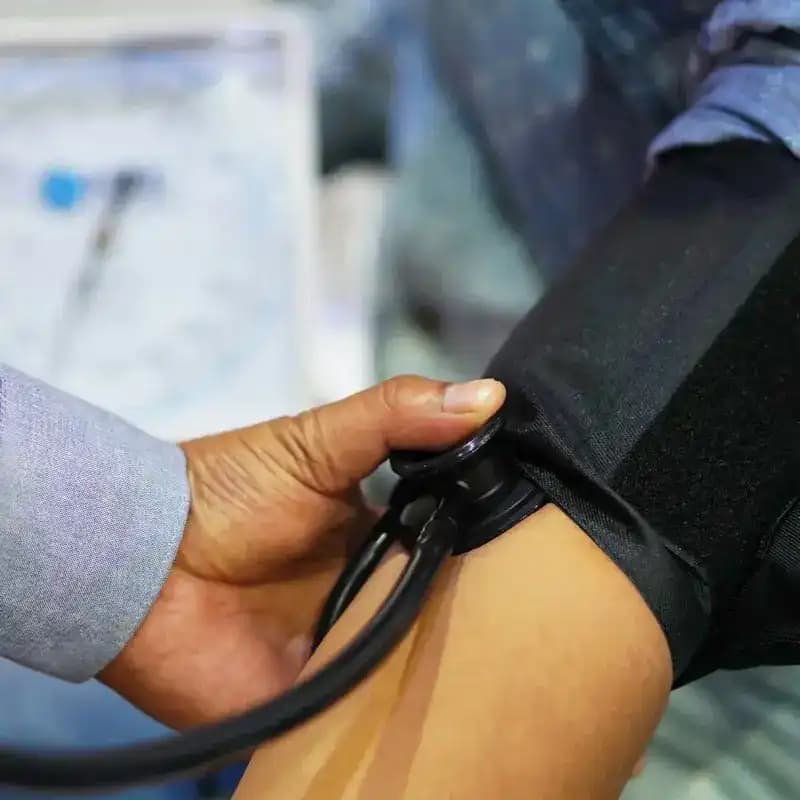
Hypertension headaches typically occur when blood pressure spikes are significant. Immediate management includes relaxing in a quiet space, practicing deep breathing exercises, and monitoring blood pressure. Medical intervention may be necessary to avoid complications. Case studies reveal that patients who adopted regular aerobic exercise and a low-sodium diet experienced a 10-15% reduction in blood pressure over six months.
What Is Hypertensive Heart Disease?
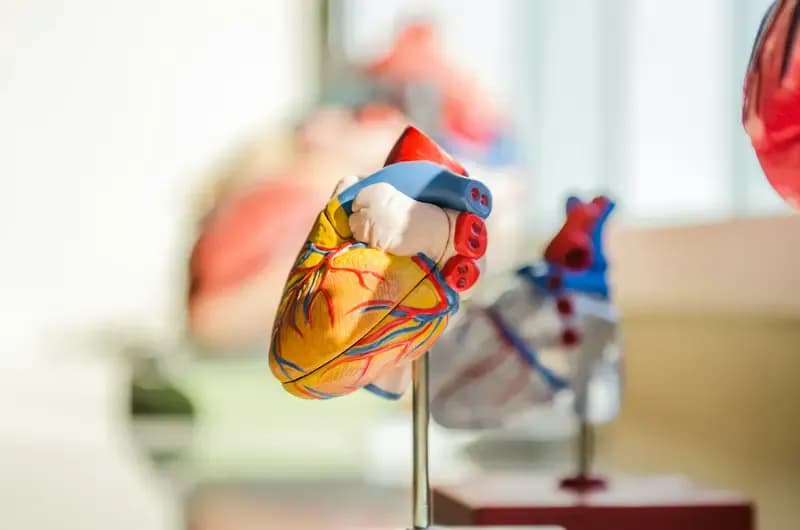
Hypertensive heart disease is a complication of chronic high blood pressure, encompassing conditions like left ventricular hypertrophy (LVH), heart failure, and coronary artery disease. Statistics show that approximately 30% of individuals with hypertension develop some form of heart disease. The additional strain on the heart leads to thickened heart muscles and narrowed arteries, impairing its ability to pump blood effectively.
The Impact of Hypertension on the Heart
Left unmanaged, hypertension can double the risk of heart attack or stroke. A study published in the *American Heart Journal* highlights that patients with well-managed hypertension had a 35% lower risk of developing heart-related complications. Treatment often includes beta-blockers, ACE inhibitors, or diuretics, along with lifestyle changes such as weight loss and reduced sodium intake.
What Is Labile Hypertension?
Labile hypertension is characterized by fluctuating blood pressure that alternates between normal and high levels. Stress, anxiety, and even caffeine intake are common triggers. Unlike chronic hypertension, labile hypertension might not present as a constant threat but can act as a precursor to long-term issues if left unaddressed. Around 10% of individuals diagnosed with hypertension initially present with labile patterns, emphasizing the importance of early intervention.
Addressing Labile Hypertension
Management involves identifying triggers and adopting relaxation techniques like yoga and mindfulness. A 2022 study in the *Journal of Hypertension* revealed that participants practicing meditation experienced a 7 mmHg drop in systolic blood pressure after 12 weeks. Diet also plays a role; potassium-rich foods such as bananas and avocados can help regulate blood pressure.
Real-Life Case Study: Hypertension Reversal Through Lifestyle Changes
In a clinical case, a 52-year-old male with a history of labile hypertension reduced his blood pressure from 150/95 mmHg to 120/80 mmHg within six months. By incorporating daily walks, reducing salt intake to below 2,300 mg, and practicing guided meditation, he avoided the need for medication and improved his overall cardiovascular health.
Conclusion: Comprehensive Care for Hypertension
Hypertension management requires a multifaceted approach, addressing symptoms like hypertension headaches, hypertensive heart disease, and labile hypertension. By combining regular monitoring, lifestyle changes, and medical intervention, individuals can significantly reduce risks and enhance their quality of life. Regular consultations with healthcare providers ensure personalized care tailored to individual needs. Proactive management not only controls hypertension but also prevents its severe complications, promoting long-term health and well-being.
Dedicated Elderly Support by Zocvi
Zocvi offers comprehensive elderly care services to ensure the dignity and safety of seniors. Our expert caregivers provide personalized support, from routine health checks to emotional well-being assistance. Contact our FREE 24 x 7 Healthcare Helpline at +91-92724-57637 for immediate support and assistance.








Comments (0)