
Overview
What is Poha?
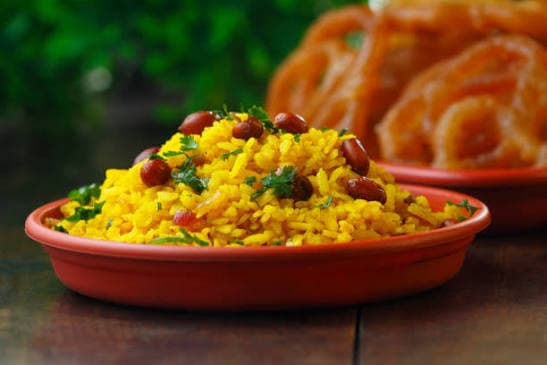
Poha, also known as flattened rice or beaten rice, is made by parboiling, drying, and then flattening rice into thin flakes. It's a common Indian breakfast food because it's inexpensive, quick to prepare, and easy to customize.
A typical vegetable poha may include:
- Flattened rice
- Onion
- Green chili
- Curry leaves
- Mustard seeds
- Turmeric
- Peanuts
- Lemon
- Coriander
- Vegetables like peas, carrots, or potatoes
- Cooking oil
The nutritional profile of poha depends heavily on the ingredients added, meaning two servings can have vastly different calorie and nutrient values.
Poha Nutrition: What It Offers
Poha is primarily a source of carbohydrates, providing energy. It can also offer small amounts of protein, fiber, iron, and B vitamins, depending on the rice processing and added ingredients. Healthy fats are contributed when nuts or seeds are included.
However, poha is not naturally high in protein. A breakfast consisting only of poha and tea might provide ample carbohydrates but little protein. To make it a more complete meal, consider adding protein sources like peanuts, sprouts, curd, paneer, or eggs.
The Indian Council of Medical Research - National Institute of Nutrition (ICMR-NIN) emphasizes that the nutritional value of traditional dishes varies based on preparation methods.
Calories in Poha
There isn't a fixed calorie count for poha. The number of calories depends on several factors:
- Amount of flattened rice used
- Portion size
- Quantity of oil
- Added peanuts
- Inclusion of starchy vegetables like potatoes
- Toppings such as sev
- Added sugar
A homemade bowl of vegetable poha can be significantly different from a large restaurant serving rich in oil and peanuts. It's important to judge poha calories by the portion and ingredients, not just the dish's name.
Potential Health Benefits of Poha
1. Provides Quick Energy
As a carbohydrate-rich food, poha offers readily available energy, making it a practical breakfast choice before work, school, or physical activity.
2. Can Be a Light Breakfast
Poha can be prepared with less oil compared to many fried breakfast options. A vegetable-heavy preparation offers a lighter alternative.
3. Increased Fiber and Micronutrients from Vegetables
Adding vegetables like peas, carrots, beans, capsicum, and tomatoes significantly boosts the meal's fiber, vitamin, and mineral content.
4. Peanuts Add Protein and Healthy Fats
Peanuts contribute protein and unsaturated fats, improving poha's nutritional balance. However, they are calorie-dense, so moderation is key.
5. Useful for Weight Management
Poha can be part of a weight management plan, but it doesn't cause weight loss on its own. Overall calorie intake, physical activity, food quality, and portion sizes are crucial. A vegetable-rich bowl with moderate oil and protein is generally more filling.
6. Easy to Customize
Poha's flexibility allows for nutritional adjustments:
- More protein: Add sprouts, curd, paneer, eggs, or peanuts.
- More fiber: Incorporate plenty of vegetables.
- Lower calories: Control oil, peanuts, and calorie-dense toppings.
It serves well as a base for a balanced breakfast rather than a complete meal.
Poha for Weight Loss and Diabetes
Weight Loss
Poha can be included in a weight-loss diet, but portion control is essential. A balanced plate includes a moderate portion of poha, plenty of vegetables, a protein source like peanuts or sprouts, and limited oil.
Diabetes Management
Individuals with diabetes can consume poha, but portion size and meal composition are critical. A large serving of plain poha can significantly increase blood glucose. A balanced approach involves moderate portions, non-starchy vegetables, protein, avoiding added sugar, and limiting oil.
Possible Side Effects of Poha
While generally well-tolerated, some individuals might experience issues depending on preparation:
- Bloating: Large portions or excessive amounts of peanuts, sprouts, or vegetables can cause bloating in sensitive individuals.
- Extra calories: Oil, peanuts, sev, and potatoes can increase the calorie density.
- Blood sugar rise: A large portion of rice-based poha may raise blood glucose more than a balanced meal with adequate protein and fiber.
- Insufficient protein: Plain poha might not provide sustained fullness if the meal lacks sufficient protein.
How to Make Poha Healthier
Enhance your poha with these simple modifications:
- Add more vegetables.
- Use a moderate amount of oil.
- Include peanuts or sprouts for protein and satiety.
- Pair poha with plain curd or another protein-rich food.
- Moderate potato content, especially if managing calories or carbohydrates.
- Avoid excessive sev and fried toppings.
- Control serving size.
Consider adding a protein source and more vegetables while keeping the poha portion moderate.
Poha vs. Other Indian Breakfasts
The healthiness of any breakfast, including poha, idli, dosa, upma, or paratha, depends on ingredients, cooking methods, portion size, and accompaniments. A vegetable poha with curd can be more balanced than plain poha, while an oily poha with sev might be less suitable for calorie reduction.
Instead of asking if poha is healthier than other options, consider the balance of the specific poha preparation you are eating.
The Bottom Line
Poha can be a healthy part of your diet due to its versatility. Combining it with vegetables, peanuts, and protein-rich foods can create a filling and balanced meal. However, as a primarily carbohydrate food, large portions of plain poha may lack the protein and fiber needed for sustained fullness.
For weight loss, diabetes management, or general healthy eating, focus on portion size, cooking oil, vegetable content, and protein, rather than labeling poha as simply "good" or "bad." A simple bowl of poha can be healthy, but a large serving loaded with oil, potatoes, peanuts, and sev is a different nutritional proposition.
This article is for general educational purposes and does not replace personalized medical or dietary advice. People with specific health conditions should consult a qualified healthcare professional or registered dietitian.



Comments (0)