
Introduction
Maintaining a healthy diet is crucial for preventing chronic diseases, boosting immunity, and promoting overall well-being. For Indians, it is essential to create a diet plan that incorporates traditional foods while ensuring a balanced intake of all essential nutrients. This blog provides a detailed healthy diet chart for Indians, focusing on the inclusion of diverse food groups, portion control, and nutritional balance.
Understanding the Components of a Healthy Diet
A healthy diet comprises various components that provide the necessary nutrients for the body to function optimally. These components include carbohydrates, proteins, fats, vitamins, minerals, and water. Carbohydrates are the primary source of energy for the body. Complex carbohydrates found in whole grains, fruits, and vegetables should be prioritized over simple carbohydrates like sugars and refined grains. Proteins are essential for the growth, repair, and maintenance of body tissues. Sources of protein include legumes, dairy products, eggs, meat, and fish. Fats are vital for brain function, hormone production, and the absorption of fat-soluble vitamins. Healthy fats from sources such as nuts, seeds, avocados, and olive oil should be included in the diet. Vitamins and minerals are crucial for various metabolic processes and the prevention of deficiencies. A diverse diet rich in fruits, vegetables, nuts, seeds, and whole grains can help meet these micronutrient needs.
Creating a Balanced Diet Chart for Indians
A balanced diet chart should include a variety of foods from different food groups to ensure all nutritional needs are met. Heres a sample diet chart that can serve as a guideline for healthy eating: Breakfast sets the tone for the day. A balanced Indian breakfast might include a serving of poha or upma made with vegetables, a bowl of curd or a glass of buttermilk, and a piece of fruit. Alternatively, whole grain toast with peanut butter and a glass of milk can provide a good mix of carbohydrates, protein, and healthy fats. A mid-morning snack can be beneficial to keep energy levels steady. Options include a handful of nuts and seeds, a piece of fruit, or a small bowl of sprouts. These snacks provide essential nutrients and help prevent overeating at lunch.
Healthy Lunch Options
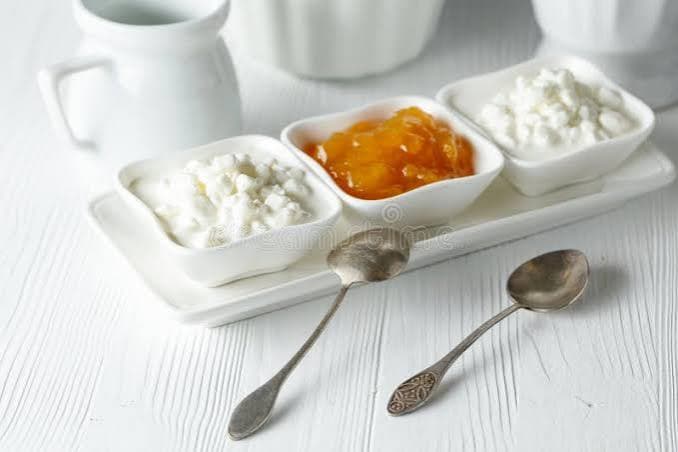
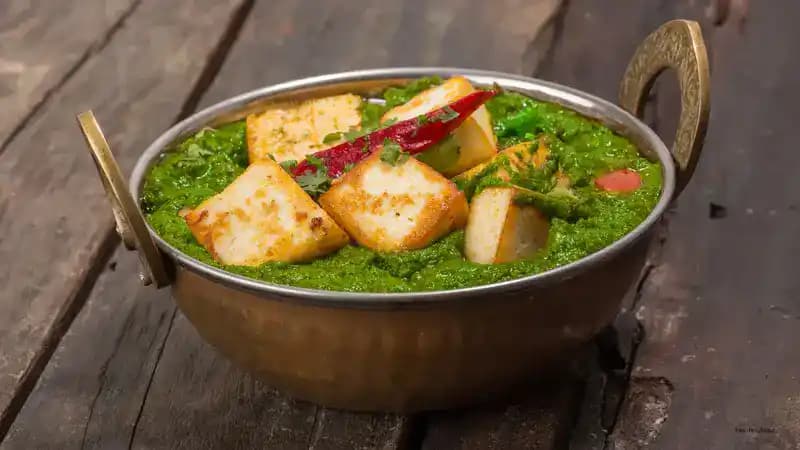
Lunch should be a balanced meal that includes a good mix of carbohydrates, proteins, and vegetables. A typical Indian lunch might consist of chapati or brown rice, a serving of dal (lentils), a vegetable curry, and a salad. Including a portion of curd or buttermilk can aid digestion and provide probiotics. For non-vegetarians, adding a serving of grilled chicken or fish can enhance the protein content of the meal. Vegetarians can opt for paneer (cottage cheese) or tofu as alternative protein sources.
Afternoon Snack Ideas
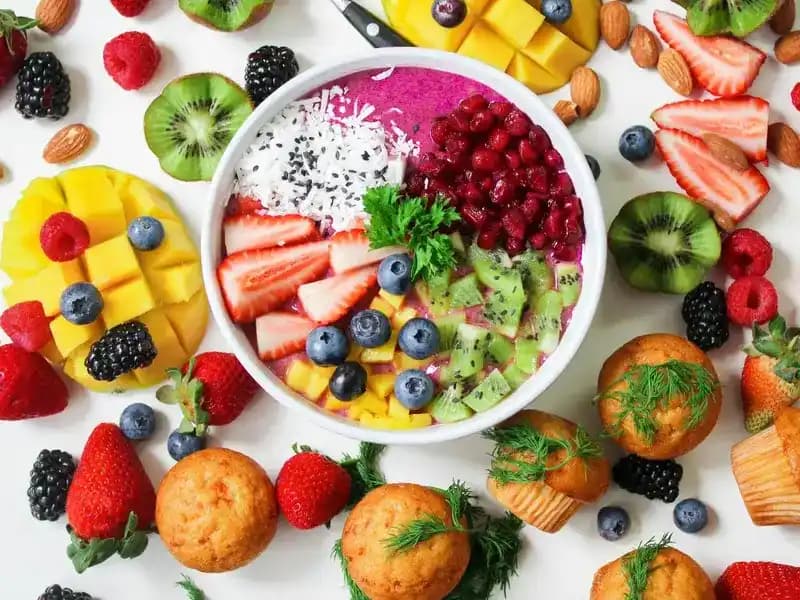
An afternoon snack can help maintain energy levels and prevent hunger pangs. Healthy options include a bowl of yogurt with fresh fruits, vegetable sticks with hummus, or a small portion of roasted chickpeas. These snacks provide a good balance of protein, fiber, and healthy fats.
Nutritious Dinner Plans
Dinner should be lighter than lunch but still nutritious. An ideal Indian dinner might include a serving of khichdi (a mixture of rice and lentils) with a side of sautéed vegetables and a bowl of curd. Alternatively, a vegetable pulao with raita or a portion of idli with sambar can be wholesome choices. Including a variety of vegetables and legumes in the dinner ensures a good intake of vitamins, minerals, and fiber, promoting digestive health and preventing overeating before bedtime.
Hydration and Fluid Intake
Staying hydrated is crucial for overall health. Water should be the primary source of hydration, but other fluids like coconut water, herbal teas, and fresh fruit juices can also be included. Its important to limit the intake of sugary beverages and caffeinated drinks, as they can lead to dehydration and other health issues.
Importance of Portion Control
Portion control is key to maintaining a healthy diet and preventing overeating. Using smaller plates, eating slowly, and paying attention to hunger cues can help manage portion sizes effectively. Its also important to avoid skipping meals, as this can lead to overeating later in the day and disrupt metabolic processes.
Conclusion: Achieving Balanced Nutrition with a Healthy Diet Chart
Creating and following a healthy diet chart tailored for Indians can significantly improve overall health and well-being. By including a variety of food groups, practicing portion control, and staying hydrated, you can ensure that your body receives all the essential nutrients it needs. With proper planning and mindful eating, maintaining a balanced diet becomes easier, promoting long-term health and vitality.

Comments (0)