

Overview
There is something unsettling about GLAUCOMA :
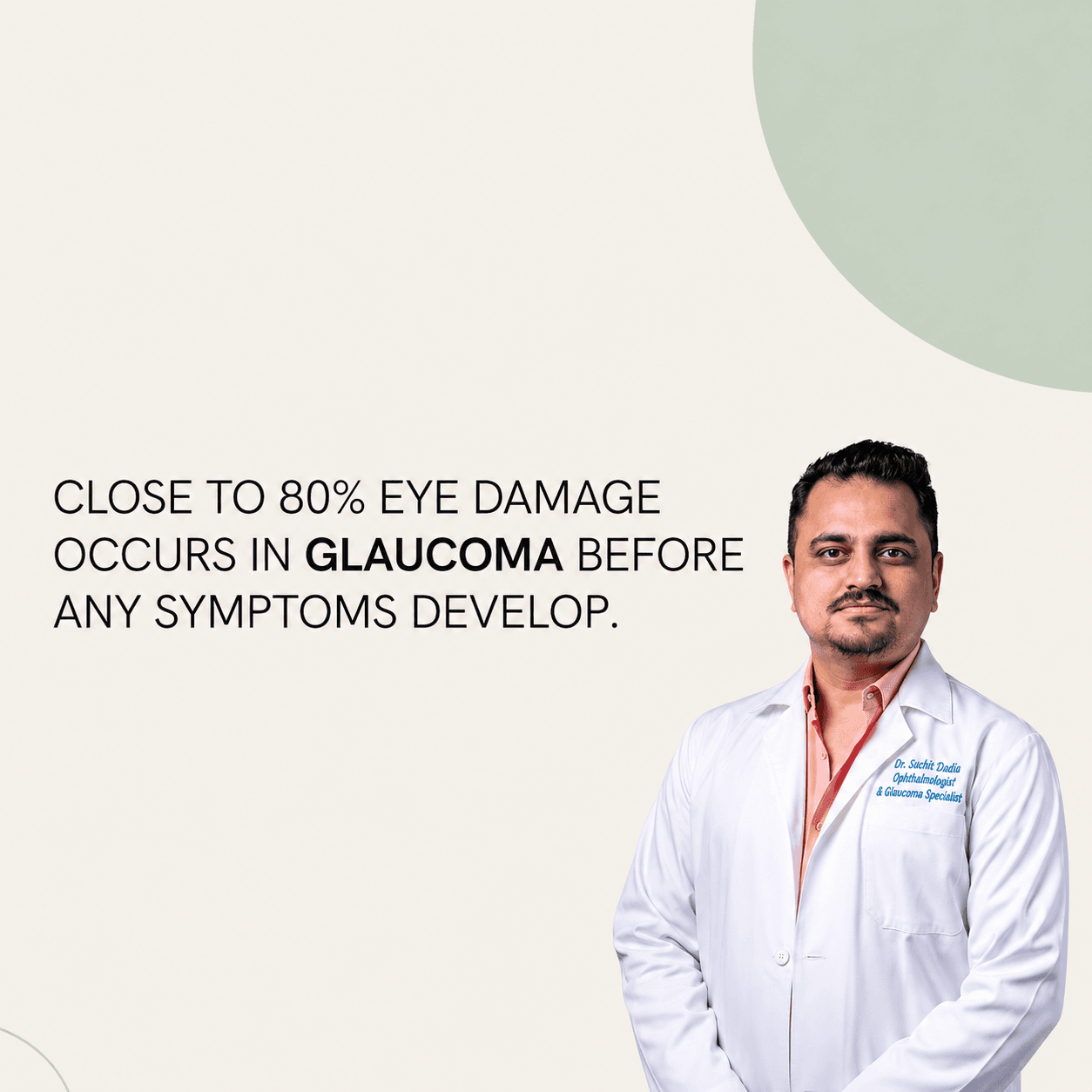
It can quietly damage your vision long before you realise that anything is wrong.
In the early stages, most patients don't notice a change.
There is no pain.
No obvious redness.
No dramatic drop in vision.
And because the loss is usually gradual, the brain often adapts to it remarkably well.
By the time a person starts noticing difficulty with their peripheral vision, significant damage may already have occurred. That is why glaucoma is often called the “silent thief of sight.”
The good news?
The vision that has already been lost cannot usually be restored. But with early detection and appropriate treatment, further damage can often be slowed or prevented. This is why a routine eye examination is not just about checking your glasses number. Especially if you are:
Don't wait for your vision to tell you something is wrong.
Sometimes, the most important eye check is the one you didn't think you needed.
It can quietly damage your vision long before you realise that anything is wrong.
In the early stages, most patients don't notice a change.
There is no pain.
No obvious redness.
No dramatic drop in vision.
And because the loss is usually gradual, the brain often adapts to it remarkably well.
By the time a person starts noticing difficulty with their peripheral vision, significant damage may already have occurred. That is why glaucoma is often called the “silent thief of sight.”
The good news?
The vision that has already been lost cannot usually be restored. But with early detection and appropriate treatment, further damage can often be slowed or prevented. This is why a routine eye examination is not just about checking your glasses number. Especially if you are:
• above 40
• have a family history of glaucoma
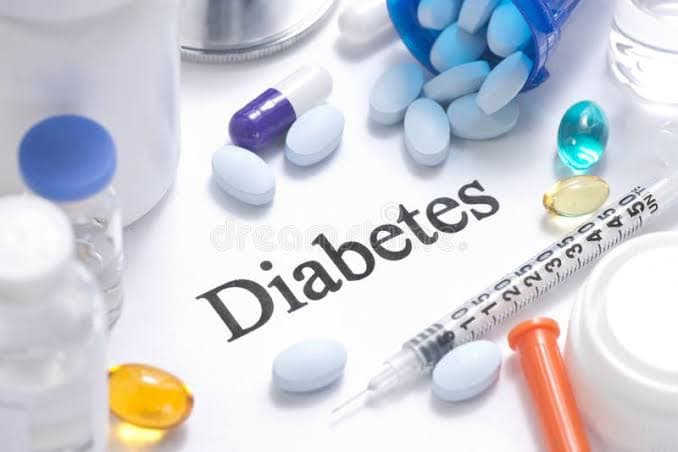
• have diabetes or other risk factors
• use steroid medications
• or have been told you have high eye pressure
• have a family history of glaucoma
• have diabetes or other risk factors
• use steroid medications
• or have been told you have high eye pressure
Don't wait for your vision to tell you something is wrong.
Sometimes, the most important eye check is the one you didn't think you needed.




Comments (0)