

Introduction
Hypertension, commonly referred to as high blood pressure, impacts over 1.3 billion people globally (World Health Organization). A question often asked is: Is hypertension hereditary? Yes, genetics can increase susceptibility to hypertension, but lifestyle factors such as diet, stress, and physical activity play significant roles. This blog delves into the genetic and environmental causes of hypertension, its symptoms, and effective natural remedies for managing this silent yet dangerous condition.
How Are Hypertension, Heart Disease, and Stroke Related?
Hypertension is a major risk factor for heart disease and stroke, which together account for over 17 million deaths annually (Global Burden of Disease Report). Elevated blood pressure places extra strain on arteries and the heart, leading to complications such as:
Narrowed arteries due to high blood pressure restrict blood flow, increasing the risk of heart attacks.
Coronary Artery Disease:
Constant strain on the heart can weaken it over time, resulting in heart failure.
Heart Failure:
Uncontrolled hypertension damages blood vessels in the brain, increasing the risk of hemorrhagic and ischemic strokes.
Stroke:
What Are the Symptoms of End-Stage Pulmonary Hypertension?
End-stage pulmonary hypertension (PH) is a critical condition affecting lung arteries and the heart. Symptoms at this stage are severe and may include:
Occurs even during rest and significantly reduces physical capability.
Shortness of Breath:
Persistent chest discomfort, often worsening during activity.
Chest Pain or Pressure:
Fluid buildup in the legs, ankles, and abdomen due to weakened heart function.
Swelling (Edema):
Reduced blood flow affects oxygen levels, causing fainting or weakness.
Fatigue and Dizziness:
Why Is Hypertension Known as the Silent Killer?
Hypertension is often called the silent killer because it shows no symptoms until significant damage has occurred. Studies show that over 46% of adults with hypertension are unaware of their condition (WHO Report). Undiagnosed hypertension can silently cause life-threatening conditions like kidney damage, heart failure, or stroke. Regular blood pressure monitoring is critical for early detection and intervention.
Is Hypertension a Chronic Disease?
Yes, hypertension is classified as a chronic disease requiring lifelong management. It often develops gradually and can lead to irreversible complications without proper care. Key management strategies include:
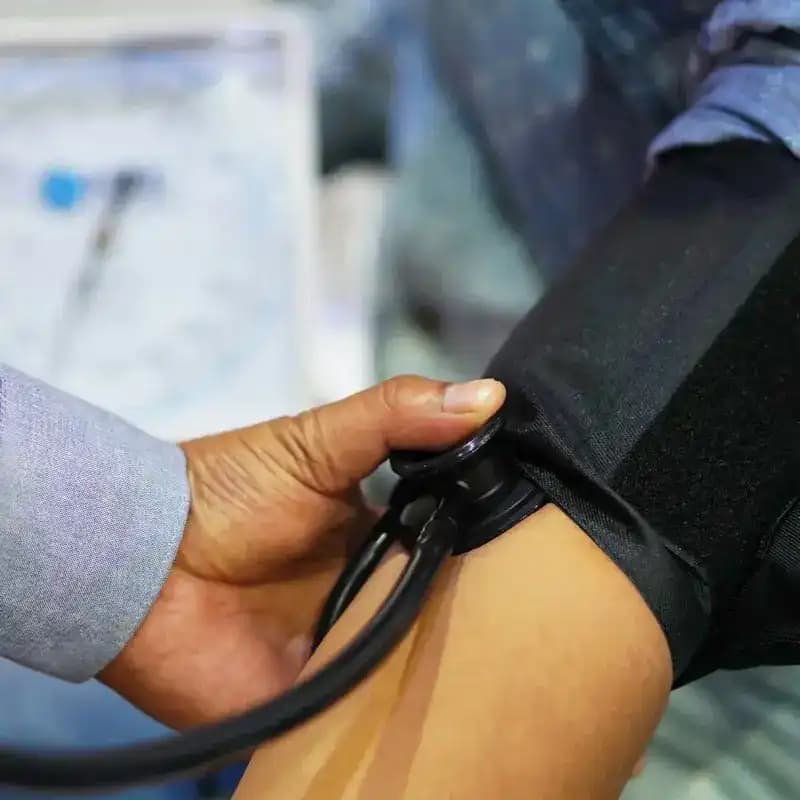
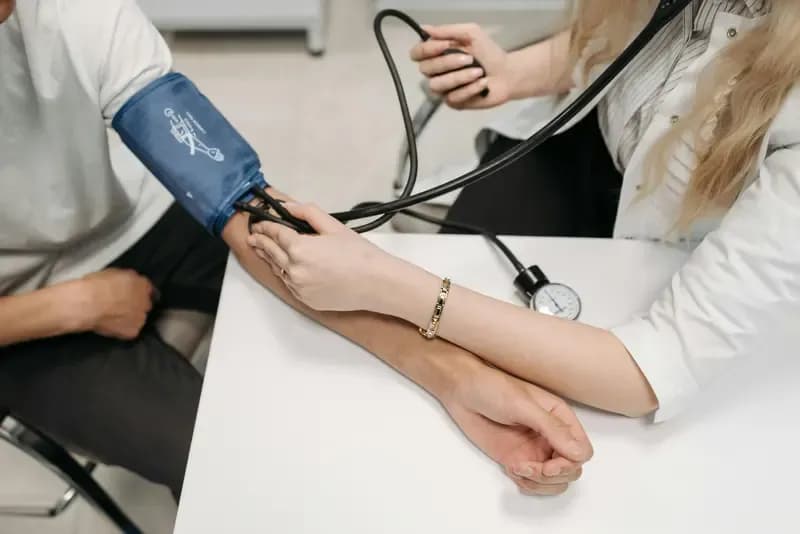
Tracking your blood pressure regularly helps detect changes early.
Regular Blood Pressure Monitoring:
Dietary changes, regular exercise, and stress management are essential for long-term control.
Lifestyle Modifications:
In cases of chronic hypertension, medications may be necessary to maintain healthy blood pressure levels.
Medication:
Reversing Pulmonary Hypertension Naturally
While reversing pulmonary hypertension completely may not always be possible, the following natural strategies can alleviate symptoms and improve quality of life:
A Harvard Medical School study found that losing just 5-10% of body weight can significantly reduce blood pressure.
1. Maintain a Healthy Weight:
Focus on a DASH diet (Dietary Approaches to Stop Hypertension) rich in fruits, vegetables, lean proteins, and whole grains while minimizing sodium intake.
2. Adopt a Balanced Diet:
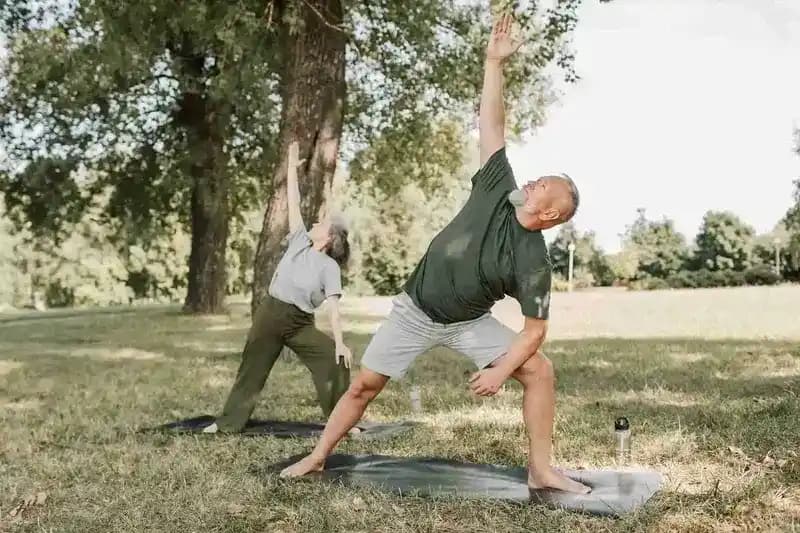
Engage in low-impact activities like walking, swimming, or yoga to improve cardiovascular function.
3. Regular Exercise:
Practicing mindfulness, meditation, and deep breathing can lower stress hormones, reducing blood pressure naturally.
4. Manage Stress:
Smoking increases the risk of hypertension by 30%, while excessive alcohol elevates blood pressure.
5. Quit Smoking and Alcohol:
Case Study: Managing Hypertension Through Lifestyle Changes
Meet John Doe, a 45-year-old office worker diagnosed with Stage 2 hypertension. By implementing the following changes under medical supervision:
1. Reducing sodium intake by 50%.
2. Exercising for 30 minutes daily (brisk walking and light cardio).
3. Incorporating a DASH diet.
Within 6 months, John's blood pressure dropped from 160/100 mmHg to 130/85 mmHg. This highlights how lifestyle changes can effectively manage hypertension without heavy reliance on medications.
1. Reducing sodium intake by 50%.
2. Exercising for 30 minutes daily (brisk walking and light cardio).
3. Incorporating a DASH diet.
Within 6 months, John's blood pressure dropped from 160/100 mmHg to 130/85 mmHg. This highlights how lifestyle changes can effectively manage hypertension without heavy reliance on medications.
Conclusion
Hypertension is a hereditary yet preventable chronic disease that affects millions globally. By understanding its causes, symptoms, and consequences, individuals can take proactive steps to manage their condition. Incorporating natural remedies such as healthy eating, exercise, and stress management can significantly improve blood pressure levels. Regular medical check-ups and lifestyle changes are key to avoiding the severe complications associated with hypertension.
Dedicated Elderly Support by Zocvi
Zocvi offers comprehensive elderly care services to ensure the dignity and safety of seniors. Our expert caregivers provide personalized support, from routine health checks to emotional well-being assistance. Contact our FREE 24 x 7 Healthcare Helpline at +91-92724-57637 for immediate support and assistance.





Comments (0)