Obesity Explained: Causes, Classes, Diagnosis & Management

Obesity Explained: Causes, Classes, Diagnosis & Management

Overview

Explore the complexities of obesity, including its classification, diagnosis codes, and impact on health. Learn about Class 1, 2, and 3 obesity and effective solutions.

Introduction

Obesity has become one of the most pressing public health challenges globally. More than just a cosmetic concern, obesity is a complex, chronic disease that significantly increases the risk of numerous health conditions. Understanding obesity—its causes, classification, and diagnosis—is critical to implementing the right strategies for treatment and prevention. This comprehensive guide breaks down the types of obesity, ICD-10 classifications, and real-world solutions, including lifestyle modifications and healthcare interventions.

What Is Obesity?

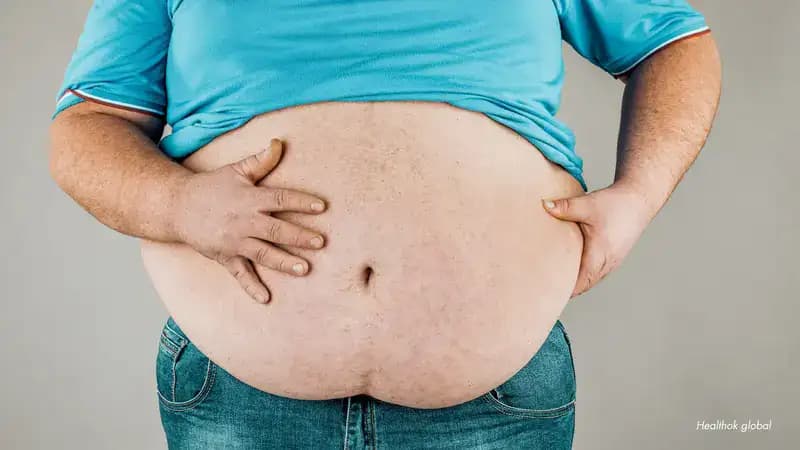
Obesity is defined as an abnormal or excessive accumulation of body fat that presents a risk to health. According to the World Health Organization (WHO), a Body Mass Index (BMI) of 30 or higher is categorized as obese. Obesity can reduce life expectancy and quality of life by contributing to diseases like type 2 diabetes, heart conditions, stroke, and certain types of cancer.

Obesity ICD-10 and Diagnosis Code

In clinical settings, obesity is diagnosed using specific coding systems. The ICD-10 code for obesity is E66, with subcodes that differentiate among types:
  • E66.0: Obesity due to excess calories
  • E66.1: Drug-induced obesity
  • E66.2: Morbid (severe) obesity with alveolar hypoventilation
  • E66.9: Obesity, unspecified
These codes are vital for accurate documentation, insurance claims, and public health data collection.

Obesity Classification: Class 1 to Class 3

Obesity is categorized into three classes based on severity, primarily using BMI:
  • Obesity Class 1 (BMI 30–34.9): Also known as low-risk obesity
  • Obesity Class 2 (BMI 35–39.9): Moderate-risk obesity
  • Obesity Class 3 (BMI ≥40): Also known as severe, extreme, or morbid obesity
These classes help clinicians determine the appropriate level of intervention and predict associated health risks. For instance, Class 3 obesity is often associated with severe mobility issues and metabolic complications.

Obesity Hypoventilation Syndrome (OHS)

Obesity Hypoventilation Syndrome (OHS), also known as Pickwickian syndrome, is a serious condition where severely obese individuals have poor ventilation and high carbon dioxide levels in the blood. It often coexists with obstructive sleep apnea. OHS is classified under ICD-10 code E66.2 and requires urgent medical management including weight loss, respiratory support, and in some cases, bariatric surgery.

Causes and Risk Factors of Obesity

Obesity is the result of multiple factors interacting over time:
  • Poor diet: High intake of processed foods, sugary beverages, and saturated fats
  • Physical inactivity: Sedentary lifestyle and limited movement
  • Genetics: Some individuals are predisposed to gain weight more easily
  • Psychological factors: Emotional eating due to stress, anxiety, or depression
  • Medical conditions: Such as hypothyroidism, PCOS, and certain medications
For example, a sedentary individual consuming excess calories from high-sugar foods daily may see weight gain over time, eventually progressing to obesity if lifestyle changes aren't made.

Statistics on Obesity: A Growing Concern

According to the World Obesity Federation:
  • In 2023, over 1 billion people globally were living with obesity
  • India is among the top 5 countries with the highest absolute number of adults living with obesity
  • Obesity among children aged 5–19 years has more than quadrupled since 1975
The rising trend highlights the need for early diagnosis and effective interventions. School-based awareness programs and personalized plans can help curb the trend before it escalates.

Real Case Study: Reversing Class 2 Obesity with Lifestyle Changes

Rajesh, a 42-year-old software engineer from Bengaluru, was diagnosed with Obesity Class 2 in 2022. Weighing 108 kg with a BMI of 37, he suffered from high blood pressure and fatigue. With guidance from a certified nutritionist, he followed a customized meal plan, incorporated daily 40-minute walks, and replaced sugary snacks with hydrating options like cucumbers. Over 9 months, Rajesh lost 21 kg and reversed his blood pressure without medication. You can read more about the health benefits of cucumber in aiding hydration and weight management.

Associated Health Conditions

Untreated obesity can lead to numerous comorbidities:
  • Cardiovascular diseases: Increased cholesterol and blood pressure
  • Type 2 diabetes: Insulin resistance is common in obese individuals
  • Respiratory disorders: Including sleep apnea and OHS
  • Joint problems: Especially in the knees and hips due to excess load
  • Gastrointestinal issues: Including acid reflux and fatty liver disease
  • Psychological impact: Depression and social isolation are common
These risks make it essential to implement a comprehensive obesity management plan, especially in older adults or patients with chronic weakness. Read our dedicated nursing care plan for weakness to understand holistic support strategies.

Diagnosis & Screening

Obesity is diagnosed using:
  • BMI measurement
  • Waist circumference: Greater than 40 inches in men and 35 inches in women indicates higher risk
  • Blood tests: To check cholesterol, blood sugar, thyroid function
  • Imaging and sleep studies: Especially if symptoms of OHS or sleep apnea are present
Once confirmed, clinicians assign the appropriate obesity diagnosis code and formulate a care plan based on the individual's class and comorbidities.

Treatment and Prevention Strategies

Managing obesity requires a combination of approaches:
  • Dietary intervention: Focus on whole foods, vegetables, lean proteins, and hydration
  • Physical activity: At least 150 minutes of moderate activity weekly
  • Behavioral therapy: To address emotional and psychological barriers
  • Medications: Prescribed in cases where diet and exercise alone don’t suffice
  • Bariatric surgery: Considered in Class 3 obesity with health complications
Public health efforts, school-based education, and digital tools like calorie-tracking apps also play a role in promoting long-term health behavior changes.

Conclusion

Obesity is a chronic, multifaceted disease that requires compassionate, evidence-based management. Understanding the types of obesity—from Class 1 to Class 3—and the ICD-10 coding system enables healthcare providers and individuals to respond more effectively. By promoting early screening, personalized nutrition, physical activity, and support for mental health, we can collectively reduce obesity’s impact and improve quality of life across populations.

FAQs About Obesity

The ICD-10 code for obesity is E66, with subcategories such as E66.0 for excess calories and E66.2 for obesity with hypoventilation.

What is the ICD-10 code for obesity?

Obesity is classified into three types: Class 1 (BMI 30–34.9), Class 2 (BMI 35–39.9), and Class 3 (BMI 40 or above).

What are the obesity classes?

Diagnosis is made using BMI, waist circumference, and additional lab tests like blood sugar and cholesterol levels.

How is obesity diagnosed?

OHS is a condition in severely obese individuals where breathing is inadequate, leading to high carbon dioxide levels. It’s associated with ICD-10 code E66.2.

What is Obesity Hypoventilation Syndrome?

Yes. With proper diet, exercise, and behavioral changes, many individuals have successfully reversed obesity and its related conditions.

Can lifestyle changes reverse obesity?

About Zocvi

Zocvi connects patients with verified doctors and evidence-based health guidance. Visit zocvi.com or reach us on WhatsApp at +91-92724-57637.


Follow Zocvi

Stay connected with Zocvi for expert health advice. Follow us on Facebook, LinkedIn, and Instagram.

Frequently Asked Questions

The doctor says I’m obese at BMI 27 — but online calculators say I’m only overweight. Which is correct for Indians?

Both can be correct — because India uses different BMI thresholds than the WHO’s standard Western population reference. Standard WHO global thresholds: Overweight = BMI 25-29.9; Obesity = BMI ≥30. Asian-specific thresholds (adopted by ICMR and WHO Asia-Pacific guidance): Overweight = BMI 23-27.4; Obesity = BMI ≥27.5. Why different? South Asians and East Asians accumulate more visceral (abdominal) fat at lower BMI values than Europeans — a BMI of 25 in an Indian person corresponds to a similar metabolic risk as a BMI of 30 in a European. This means cardiovascular risk, insulin resistance, and T2D risk are elevated at lower BMI in Indians. Practical implication: if your BMI is 27 and your waist circumference is above 90cm (men) or 80cm (women) — the ICMR threshold for Indian abdominal obesity — your risk profile is comparable to someone with Western-definition obesity. Indian doctors using ICMR-NIN 2024 or the Consensus for the Asian Indian phenotype will correctly flag this as obesity requiring intervention. If a doctor outside India uses WHO standard thresholds, they may classify the same patient differently. Bottom line: your Indian doctor’s classification at BMI 27 is medically appropriate and should inform treatment decisions.

Why does belly fat (abdominal obesity) matter more than my overall weight — and how do I check if I have it?

Abdominal or visceral obesity is a stronger predictor of metabolic disease risk than BMI alone — because visceral fat (the fat stored around internal organs in the abdomen) is metabolically active in ways that subcutaneous fat (under the skin) is not. How visceral fat drives disease: it secretes pro-inflammatory cytokines (TNF-α, IL-6) that promote insulin resistance; it is adjacent to the liver’s portal circulation, directly impairing hepatic insulin clearance; it correlates more strongly with T2D, heart disease, NAFLD, and hypertension than BMI alone. The measurement: waist circumference, measured at the navel level with a tape measure (not breath held, not pushed in). Indian-specific cutoffs (ICMR / WHO Asia-Pacific 2000): High risk: men ≥90cm; women ≥80cm. These are lower than the 102cm/88cm Western thresholds. Another measure is the waist-to-height ratio (WHtR) — if your waist circumference is more than half your height in cm, visceral obesity risk is significantly elevated. Why this matters for treatment: a person with BMI 26 and waist 94cm has a worse metabolic risk profile than someone with BMI 32 and waist 88cm. This is why some Indian endocrinologists initiate pharmacological treatment at BMI 25+ when abdominal obesity and comorbidities are present — consistent with IDF Asia-Pacific diabetes risk guidelines. Self-check: use a fabric tape measure, measure at the navel level in the morning before eating, repeat 3 times for accuracy.

Does PCOS cause obesity — or does obesity cause PCOS? How are they linked and how do I break the cycle?

PCOS (Polycystic Ovary Syndrome) and obesity have a bidirectional relationship — each worsens the other. Roughly 40-80% of women with PCOS have overweight or obesity, with the highest rates in India. The mechanism: Obesity → PCOS: excess adipose tissue (especially visceral fat) amplifies insulin resistance → hyperinsulinaemia → drives the ovaries to produce excess androgens (testosterone) → disrupts the hypothalamic-pituitary-ovarian axis → irregular ovulation and menstrual cycles → PCOS phenotype. PCOS → Obesity: androgen excess promotes central fat distribution; insulin resistance directly impairs the body’s ability to use glucose, promoting fat storage; disrupted leptin signalling impairs satiety. The shared core: insulin resistance is the central mechanism. Any intervention that improves insulin sensitivity — whether dietary, pharmacological, or through weight loss — tends to improve both conditions simultaneously. Even 5-10% body weight reduction in PCOS women with obesity has been shown (Kiddy et al., Clin Endocrinol 1992; multiple subsequent RCTs) to: restore menstrual regularity in 55-60% of cases; improve ovulation rates; reduce androgen levels; lower T2D risk. Treatment approach in India: first-line for PCOS+obesity is lifestyle modification (1200-1500 kcal/day deficit diet with low GI foods + 150 min/week moderate activity); metformin is frequently added (improves insulin sensitivity, modest weight loss, reduces hyperandrogenism); inositol (myo-inositol + D-chiro-inositol 40:1) has accumulating evidence for PCOS + insulin resistance. Bariatric surgery for Class 3 PCOS+obesity has shown near-complete PCOS resolution in 75-90% of cases at 1-2 year follow-up. Consult a gynaecologist+endocrinologist team for combined PCOS-obesity management — one specialist alone is insufficient.

Is bariatric surgery available in India — who qualifies, what does it cost, and is it covered by insurance?

Bariatric surgery (weight-loss surgery) is widely available in India at NABH-accredited hospitals and is significantly more affordable than in Western countries. Common procedures: Laparoscopic Sleeve Gastrectomy (LSG): most common in India (~70% of bariatric procedures); stomach reduced to ~20% of original size; average excess weight loss 60-70% at 18 months. Roux-en-Y Gastric Bypass (RYGB): gold standard for T2D remission; redirects food to bypass most of stomach + part of small intestine; average excess weight loss 70-80% + T2D remission in 60-80% of cases. Eligibility criteria (IFSO / OSSI — Obesity and Metabolic Surgery Society of India guidelines): BMI ≥37.5 (Indian cutoff — lower than Western 40) without comorbidities; OR BMI ≥32.5 with serious comorbidities (T2D, hypertension, sleep apnea, PCOS, joint disease); age 18-65 (exceptions exist); failure of 6 months supervised lifestyle+medical therapy documented; psychiatric and nutritional clearance required. Cost in India (2026): Sleeve gastrectomy: ₹2.5-5 lakh at government/trust hospitals; ₹4-8 lakh at private NABH hospitals in metro cities. Gastric bypass: ₹4-7 lakh at government/trust hospitals; ₹6-10 lakh at private hospitals. Compared to: UK: £8,000-15,000; USA: $20,000-35,000. Insurance coverage: as of 2026, IRDAI has mandated that bariatric surgery for morbid obesity (BMI ≥40 or BMI ≥35 with comorbidities) is NOT explicitly excluded from standard health insurance policies, but most policies still require prior authorisation and medical necessity documentation. Government Ayushman Bharat PMJAY: does cover bariatric surgery for eligible beneficiaries at empanelled hospitals — check via the Ayushman Bharat portal or call 14555. Ideal referral pathway: endocrinologist + bariatric surgeon + clinical psychologist + registered dietitian — minimum 4-specialist team for optimal outcomes.

Questions About This Article

Have a question? Ask the author directly.

Have a question about this article?

Ask Zocvi Editorial directly. Your question may help others with similar concerns.

Q:1 answer
Q:1 answer
Q:1 answer
Q:1 answer

Comments (0)

Found this helpful? Share it!

LinkedInWhatsApp

More from Zocvi Editorial

Other Articles You May Like

Dr. Prashant Jain

Ayurvedic Doctor • 12 yrs • Delhi

40 views

Lose Weight Naturally with Ayurveda

Nirmal Ayurved

Embark on a journey to a healthier you! Our expert-guided weight loss programs are designed to help you achieve your fitness goals naturally. Say goodbye to unwanted pounds and hello to a vibrant, healthier lifestyle! At Nirmal Ayurved, we believe in holistic wellness and personalized care. Our Ayurvedic treatments focus on balancing the body and mind, promoting sustainable weight loss without compromising on health. Ready to transform your life and embrace a new you? Consult us now and take the first step towards a healthier, happier future! Call us: +91 7411016510, +91 7703992118 Email: nirmalayurved01@gmail.com, ayufertilitydelhi@gmail.com

Related Topics

Find a Doctor for Diabetes Prevention

Verified specialists across India

Dr. Dhananjay Pandey

Bariatric Surgeon

17 yrs

Ghaziabad

Max Super Speciality Hospital, Vaishali
Niti Khand I, Ghaziabad, Uttar Pradesh, 201014
₹1000 consultation

Dr. Manish Khaitan

Bariatric Surgeon

29 yrs

Ahmedabad

KD Hospital
Vaishnodevi Circle, Ahmedabad, Gujarat, 382421
₹600 consultation

Dr. Ashish Ahuja

Bariatric Surgeon

27 yrs

Ludhiana

Dr. Ashish Ahuja's Weight Loss Surgery
Civil Lines, Ludhiana, Punjab, 141001
₹500 consultation

Dr. Atul Peters

Bariatric Surgeon

Delhi

Max Smart Super Speciality Hospital
Saket, Delhi, Delhi, 110017
Fee on request