

Introduction
As populations age worldwide, the incidence of chronic illnesses among seniors is becoming increasingly common. It's essential to grasp these health issues thoroughly to enhance preventive measures, manage ongoing conditions, and improve overall well-being in the golden years. This guide delves into the ten most critical health challenges that the elderly face globally, exploring their origins, symptoms, and available treatments.
1. Heart Disease and the Impact of Intermittent Fasting
Heart disease encompasses a range of disorders affecting the heart function and structure, including coronary artery disease, arrhythmias, and heart failure. It remains the principal cause of mortality in the elderly across the globe.
Exploring Heart Disease:
Emerging research indicates that intermittent fasting—alternating between periods of eating and fasting—may enhance cardiac health by lowering blood pressure, cholesterol, and aiding in weight management. Nevertheless, seniors should seek medical advice before embracing this lifestyle change.
Intermittent Fasting's Role:
2. Stroke
Strokes happen when the blood flow to a part of the brain is cut off or diminished, depriving brain tissue of oxygen and nutrients. This event can cause considerable physical and mental disabilities.
Recognizing Stroke:
Key preventive actions include managing high blood pressure and diabetes, and adopting a healthy lifestyle. Rehabilitation therapies such as physical and speech therapy are vital in the recovery process.
Strategies for Prevention and Recovery:
3. Alzheimer Disease
Alzheimer's disease is a progressive neurological condition that results in the degeneration and death of brain cells, leading to dementia, which progressively worsens cognitive, behavioral, and social skills.
Overview of Alzheimer Disease:
Although no cure exists for Alzheimer's, there are treatments available that can decelerate its progression. Supportive care environments and specialized memory care are beneficial in managing the symptoms.
Managing Alzheimer:
4. Chronic Obstructive Pulmonary Disease (COPD)
COPD, a collective term for lung conditions that block airflow and make breathing difficult, includes prevalent diseases such as emphysema and chronic bronchitis.
COPD Impact:
Quitting smoking, utilizing inhalers, and engaging in pulmonary rehabilitation are effective methods for symptom management.
Approaches to Treatment:
5. Diabetes
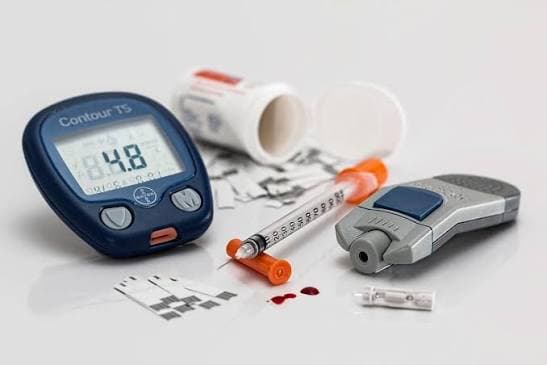
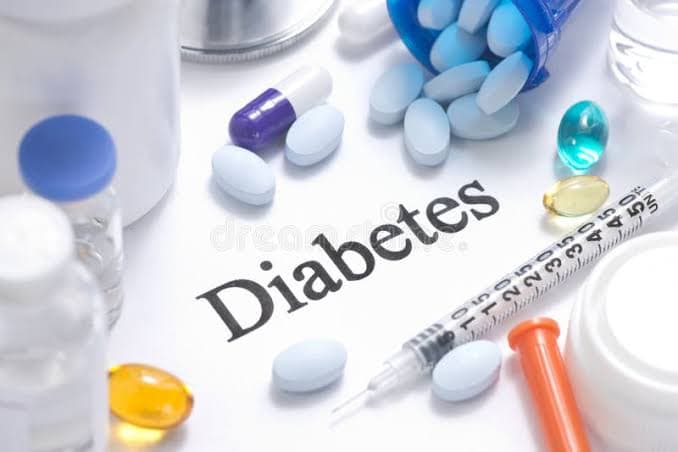
Diabetes, a disease that affects how the body processes blood glucose, can be predominantly type 1 or type 2, the latter being more common among the elderly.
The Rising Concern of Diabetes:
Effective management involves regular monitoring of blood glucose, maintaining a balanced diet, exercising regularly, and, if necessary, using insulin or other medications.
Diabetes Management:
6. Cervical Cancer
Cervical cancer is highly treatable when detected early. Regular screening and HPV vaccinations are crucial for prevention.
Importance of Early Detection:
Depending on the cancer stage, treatments may range from surgical interventions to radiation and chemotherapy.
Treatment Options:
7. Influenza and Pneumonia
These respiratory conditions are particularly dangerous for seniors, often leading to severe complications and even hospitalizations.
Elevated Risks for Seniors:
It is recommended that older adults receive annual vaccinations against influenza and pneumonia to prevent these illnesses.
The Importance of Vaccination:
8. Chronic Kidney Disease (CKD)
Often progressing silently with minimal symptoms, CKD can lead to kidney failure if not managed properly.
Understanding CKD:
Management strategies include controlling blood pressure and glucose levels, medication, and dietary modifications.
Continuous Management:
9. Rheumatoid Arthritis
This autoimmune disorder primarily affects the joints, causing painful inflammation and potential deformity over time.
The Burden of Rheumatoid Arthritis:
There is no cure for rheumatoid arthritis, but symptoms can be managed with medications, physical therapy, and occasionally surgery, to improve quality of life.
Managing Symptoms:
10. Depression
Depression in the elderly is often overlooked but can significantly impact physical health and quality of life. It’s treatable through a combination of medication, therapy, and social support. Recognizing depression's signs, such as persistent sadness or withdrawal, is key to effective management.
Understanding Depression:
Conclusion
The health challenges faced by the elderly are complex and varied. By focusing on prevention, early detection, and management, caregivers and healthcare providers can significantly improve the quality of life for older adults. Always consult healthcare professionals to tailor approaches specific to individual health needs and conditions. Free free to contact Zocvi at +91-92724-57637 or +91-92724-57637 for any help.






Comments (0)