Nutrition in Human Beings: Exploring Dietary Needs and Health

Nutrition in Human Beings: Exploring Dietary Needs and Health

Overview

Nutrition plays a vital role in human health, providing the body with essential nutrients needed for growth, development, and overall well-being.

Introduction

Nutrition plays a vital role in human health, providing the body with essential nutrients needed for growth, development, and overall well-being. It encompasses the process of consuming, absorbing, and utilizing nutrients from food to support various bodily functions.

Importance of a Balanced Diet

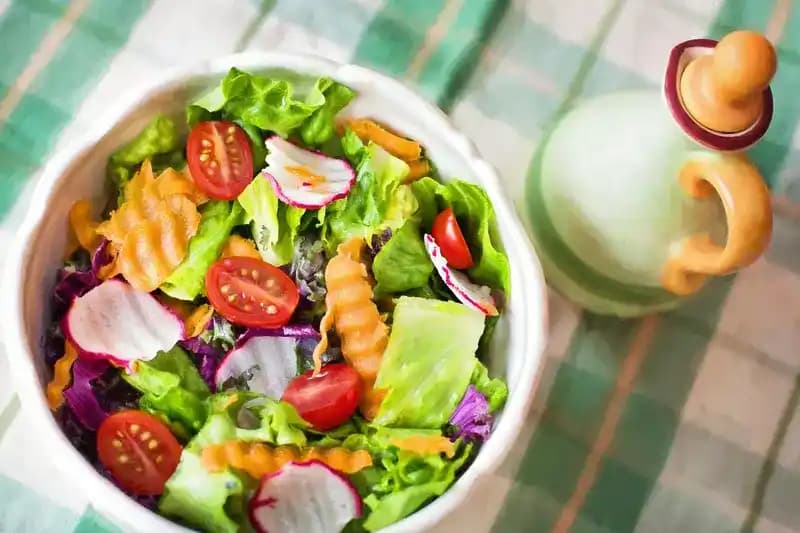
A balanced diet is essential for meeting the body's nutritional needs, providing a variety of nutrients such as carbohydrates, proteins, fats, vitamins, and minerals. Consuming a balanced diet helps maintain energy levels, support immune function, promote healthy growth and development, and reduce the risk of chronic diseases.

Macronutrients and Micronutrients

Macronutrients, including carbohydrates, proteins, and fats, are required in larger quantities and provide energy for the body. Micronutrients, such as vitamins and minerals, are needed in smaller amounts but are equally important for various physiological processes, including metabolism, immune function, and bone health.

Dietary Guidelines and Recommendations

Various organizations, including governmental health agencies and professional associations, provide dietary guidelines and recommendations to promote optimal nutrition and prevent nutritional deficiencies and chronic diseases. These guidelines often emphasize the importance of consuming a variety of nutrient-dense foods, limiting added sugars and sodium, and maintaining a healthy body weight.

Nutritional Requirements Across the Lifespan

Nutritional needs vary across different stages of life, from infancy and childhood to adolescence, adulthood, and older age. Meeting these changing nutritional requirements is crucial for supporting growth and development, maintaining health, and preventing nutritional deficiencies and related health issues.

Health Benefits of Proper Nutrition

Adequate nutrition is associated with numerous health benefits, including improved immune function, enhanced cognitive function, reduced risk of chronic diseases such as heart disease, diabetes, and certain cancers, and better overall quality of life. A balanced diet rich in fruits, vegetables, whole grains, lean proteins, and healthy fats can help individuals achieve and maintain optimal health.

Tips for Maintaining a Healthy Diet

Maintaining a healthy diet involves making informed food choices and adopting healthy eating habits. Some tips for achieving a balanced diet include planning meals ahead of time, incorporating a variety of foods from all food groups, reading food labels, limiting processed foods and sugary beverages, and practicing portion control.

Seek Professional Guidance

Individuals with specific dietary needs or health concerns should consult with a registered dietitian or healthcare professional for personalized nutrition advice and guidance. These experts can help create tailored nutrition plans to address individual needs, preferences, and health goals.

Conclusion

In conclusion, nutrition plays a crucial role in human health and well-being, influencing various aspects of physical, mental, and emotional health. By understanding the importance of nutrition, adopting healthy eating habits, and seeking professional guidance when needed, individuals can optimize their nutrition and enhance their overall health and quality of life.


Frequently Asked Questions

What does ICMR recommend as the ideal balanced diet for Indian adults?

ICMR's Dietary Guidelines for Indians (2024 edition) recommend the following for a sedentary adult (2000 kcal/day): Cereals 250–300g/day (prefer whole grains — millets, brown rice, whole wheat); Pulses/legumes 80–90g/day (dal, rajma, chana — primary protein for vegetarians); Vegetables 400g+/day (mix of leafy, root, and other); Fruits 100–200g/day; Milk/dairy 200–300ml/day (or equivalent); Oils/fats 25–30g/day (prefer unsaturated — groundnut, mustard, sesame); Salt <5g/day. Key ICMR warnings: (1) Indians consume 2× the recommended salt; (2) Nearly 70% of Indians don't meet the vegetable recommendation; (3) Refined cereal (white rice, maida) dominates diets — replacing even 30% with millets improves glycaemic control measurably. For physically active adults, protein needs increase to 1.2–1.4g/kg body weight. The ICMR-NIN 'Eat Right India' app provides personalised meal planning based on these guidelines.

How do nutritional needs change across different life stages?

Nutritional requirements change significantly across the lifespan: Infancy (0–2 years): Exclusive breastfeeding for 6 months (WHO/ICMR) — breast milk provides all nutrients except Vitamin D (400 IU supplement recommended from week 2); Childhood (2–12 years): Calcium peak demand for bone building (400–1,000mg/day); iron critical for cognitive development; Adolescence (12–18 years): Highest iron need ever for girls (onset of menstruation — 27mg/day vs 11mg for boys); protein for muscle growth; Iodine for brain development. Pregnancy: Folate (400–600mcg from preconception) prevents neural tube defects; iron (27mg/day); DHA for foetal brain. Older adults (60+): Protein needs increase (1.2g/kg) despite lower appetite; Vitamin D + calcium for bone loss prevention; B12 absorption declines (supplement if serum B12 <300 pg/mL). India-specific gaps: the NFHS-5 found significant stunting in children (35%) indicating chronic early-childhood undernutrition, and anaemia in 57% of women aged 15–49 — both reflecting inadequate iron, folate, and B12 across life stages.

What are the most common nutritional deficiencies in India and who is at risk?

India faces a 'triple burden' of malnutrition: undernutrition, micronutrient deficiency, and overweight/obesity simultaneously. The four most prevalent deficiencies: (1) Iron deficiency anaemia: 58% of women, 41% of children under 5 (NFHS-5). Highest risk: menstruating women, pregnant women, infants 6–24 months. Fix: iron-rich foods (rajma, palak, jaggery, sesame) + Vitamin C to enhance absorption; (2) Vitamin D deficiency: 70–90% of urban Indians (paradoxical given sun exposure — due to clothing, indoor lifestyle, pigmentation). Fix: 30 minutes sun midday 3×/week + supplementation (1,000–2,000 IU/day); (3) Vitamin B12 deficiency: 47% of north Indian adults in a 2019 study — predominantly vegetarians (B12 only in animal products). Fix: daily B12 supplement 500mcg for strict vegetarians; (4) Iodine: adequately addressed by iodised salt programme, but resurgence in areas using non-iodised salt. Annual blood tests for Vitamin D, B12, and CBC (haemoglobin) are recommended for all adults above 30.

How much protein, carbohydrate, and fat should I eat daily?

ICMR recommendations for a sedentary adult (70kg reference): Protein: 0.8–1.0g/kg body weight = 56–70g/day. Active adults: 1.2–1.6g/kg. For vegetarians, combining different protein sources (rice + dal, roti + chana) throughout the day ensures complete amino acid intake even without meat. Carbohydrates: 50–60% of total calories. Prioritise complex carbs (millets, oats, whole grains) with GI <55; limit simple sugars to <10% of total calories (<50g/day for a 2,000 kcal diet). Fats: 20–30% of total calories. Saturated fat (ghee, butter, coconut oil) <10% of calories; unsaturated fats (groundnut, sesame, mustard oil) preferred. Trans fats (vanaspati, partially hydrogenated oils) <1% of calories — FSSAI has mandated near-zero trans fat content in packaged foods since 2022. Practical Indian context: the typical North Indian diet is often 65–70% carbohydrate (primarily refined), 10–12% protein, 18–22% fat — carb quality (not quantity) is the primary issue. Replacing white rice + maida with millets + whole wheat is the highest-leverage single change for most Indians.

Questions About This Article

Have a question? Ask the author directly.

Have a question about this article?

Ask Zocvi Editorial directly. Your question may help others with similar concerns.

Q:1 answer
Q:1 answer
Q:1 answer
Q:1 answer

Comments (0)

Found this helpful? Share it!

LinkedInWhatsApp

More from Zocvi Editorial

Other Articles You May Like

Related Topics

Find a Doctor for Diabetes Prevention

Verified specialists across India

Dr. Ridhi Khanna

Dietitian & Nutritionist

14 yrs

Amritsar

Eat it Right
Joshi Colony, Amritsar, Punjab, 143001
₹500 consultation