

Introduction
Myocardial infarction (MI), commonly known as a heart attack, is a medical emergency where blood flow to the heart is blocked, causing tissue damage. This comprehensive nursing care plan for myocardial infarction includes understanding the symptoms, effective treatment options, and long-term management strategies to improve patient outcomes and quality of life.
Understanding Myocardial Infarction
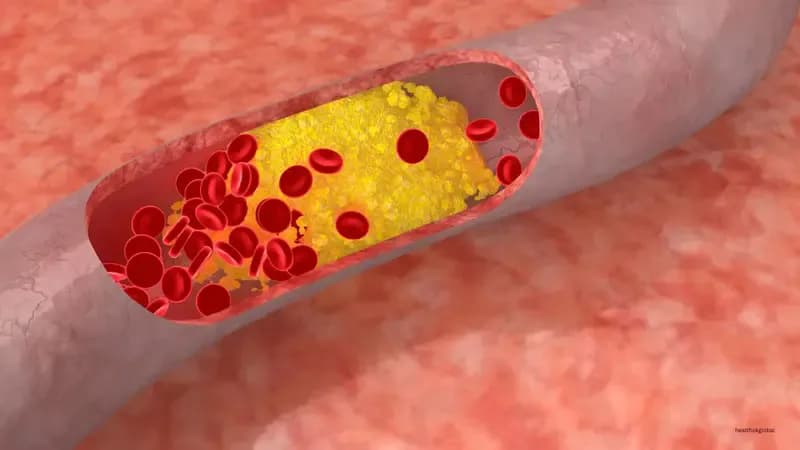
Myocardial infarction occurs when a coronary artery is blocked, leading to reduced blood flow and oxygen supply to the heart muscle. The blockage is typically caused by a buildup of plaque (atherosclerosis) or a blood clot. Prompt treatment is crucial to minimize heart damage and prevent complications.
Symptoms of Myocardial Infarction
Recognizing the symptoms of MI is critical for early intervention. Common symptoms include:
A sudden, severe chest pain or discomfort, often described as a feeling of pressure, tightness, or squeezing. It may radiate to the arms, neck, jaw, or back.
1. Chest Pain
Difficulty breathing or shortness of breath, often occurring alongside chest pain.
2. Shortness of Breath
Excessive sweating, often described as cold, clammy skin.
3. Sweating
Feeling nauseous or experiencing vomiting, which can accompany the other symptoms.
4. Nausea and Vomiting
Unusual tiredness or fatigue, which may occur days before the heart attack.
5. Fatigue
Feeling dizzy or lightheaded, which can be a sign of reduced blood flow to the brain.
6. Dizziness or Lightheadedness
Diagnosis of Myocardial Infarction
Accurate diagnosis is essential for developing an effective nursing care plan for MI. This involves a comprehensive evaluation by a healthcare provider.
1. Medical History and Symptom Review
Reviewing the patient's medical history, including risk factors such as hypertension, diabetes, smoking, and family history of heart disease.
Medical History
A detailed discussion of the patient's symptoms, including their onset, duration, and severity.
Symptom Review
2. Physical Examination
A thorough physical exam to assess for signs of cardiovascular distress, such as abnormal heart sounds, pulse irregularities, and respiratory difficulties.
Physical Examination
Monitoring vital signs, including blood pressure, heart rate, respiratory rate, and oxygen saturation.
Vital Signs
3. Diagnostic Tests
An ECG is used to detect changes in the heart's electrical activity, which can indicate an MI.
Electrocardiogram (ECG)
Blood tests, such as troponin levels, help identify heart muscle damage.
Blood Tests
Imaging tests, such as chest X-rays or echocardiograms, provide detailed information about heart function and structure.
Imaging Tests
Treatment of Myocardial Infarction
The treatment of MI involves a combination of medications, procedures, and lifestyle changes. The goal is to restore blood flow to the heart, minimize damage, and prevent future occurrences.
1. Medications
Medications such as aspirin are used to prevent further blood clot formation.
Antiplatelet Agents
These medications help dissolve existing blood clots.
Thrombolytics
Beta-blockers reduce heart rate and blood pressure, decreasing the heart's workload.
Beta-Blockers
ACE inhibitors help relax blood vessels and reduce blood pressure.
ACE Inhibitors
Statins are used to lower cholesterol levels and prevent plaque buildup in the arteries.
Statins
2. Procedures
A procedure to open blocked arteries and insert a stent to keep them open.
Angioplasty and Stenting
A surgical procedure that creates a new pathway for blood to flow to the heart by bypassing blocked arteries.
Coronary Artery Bypass Grafting (CABG)
3. Lifestyle Changes
Quitting smoking is crucial to reduce the risk of future MIs.
Smoking Cessation
Adopting a heart-healthy diet rich in fruits, vegetables, whole grains, and lean proteins.
Healthy Diet
Engaging in regular physical activity to improve cardiovascular health.
Regular Exercise
Maintaining a healthy weight to reduce strain on the heart.
Weight Management
Implementing stress-reducing techniques such as meditation, yoga, or deep breathing exercises.
Stress Management
Nursing Care Strategies for Myocardial Infarction
Nurses play a crucial role in the management and education of patients with MI. Effective nursing care strategies include patient education, care coordination, and ongoing support.
1. Patient Education
Educating patients about the nature of MI, its symptoms, and the importance of adhering to their treatment plan.
Understanding MI
Emphasizing the importance of taking prescribed medications as directed and educating patients about potential side effects.
Medication Adherence
Providing guidance on lifestyle changes to reduce risk factors and improve heart health.
Lifestyle Modifications
Teaching patients to recognize the warning signs of another MI and when to seek immediate medical help.
Recognizing Warning Signs
2. Care Coordination
Collaborating with other healthcare professionals, such as cardiologists, dietitians, and physical therapists, to provide comprehensive care for MI patients.
Multidisciplinary Approach
Scheduling regular follow-up appointments to monitor the patient's progress, adjust the treatment plan, and address any concerns or complications.
Regular Follow-Ups
3. Ongoing Support
Encouraging participation in support groups provides emotional support and the opportunity to share experiences with others facing similar challenges.
Support Groups
Providing access to mental health resources, such as counseling and stress management techniques, helps patients cope with the emotional aspects of living with MI.
Mental Health Support
When to Seek Medical Help
It is important for MI patients to seek medical help if they experience worsening symptoms or signs of another heart attack. Early intervention can prevent complications and improve outcomes. Patients should contact their healthcare provider if they notice increased chest pain, shortness of breath, changes in heart rate, or other concerning symptoms.
Conclusion
A comprehensive nursing care plan for myocardial infarction involves accurate diagnosis, effective treatment, and ongoing management. By addressing the underlying causes and providing targeted interventions, patients with MI can achieve significant improvements in their health and quality of life. Regular monitoring, lifestyle modifications, and patient education are essential components of a successful MI management strategy. Nurses play a crucial role in supporting patients throughout their MI journey, ensuring they receive the care and guidance needed to manage their condition effectively.
About Zocvi
Zocvi connects patients with verified doctors and evidence-based health guidance. Visit zocvi.com or reach us on WhatsApp at +91-92724-57637.









Comments (0)