Indian Diet Chart for Diabetic Patients

Discover a detailed Indian diet chart for diabetic patients, complete with expert meal planning tips, food options, and lifestyle habits to manage diabetes effectively.

Diabetes Lifestyle covers the daily behavioral levers that decide whether medications work well or poorly for you — physical activity patterns, sleep quality, stress load, sick-day insulin adjustment, work-and-travel routines, and the timing choices around exercise for people on insulin or sulfonylureas. This hub is scoped to behavior, not food; for what to eat and Indian meal planning, see the nutrition/diabetic-diet hub. Our diabetologists, exercise physiologists and editorial team explain what kinds of movement most improve insulin sensitivity, how poor sleep and untreated sleep apnea silently raise HbA1c, how stress hormones drive glucose independent of food, how to handle religious fasts like Ramadan and Karwa Chauth safely, and how to build habits that survive real Indian work-and-family constraints rather than idealized guidelines.
Last reviewed: 11 August 2026
Discover a detailed Indian diet chart for diabetic patients, complete with expert meal planning tips, food options, and lifestyle habits to manage diabetes effectively.

Managing diabetes effectively involves careful dietary planning, especially within the context of traditional Indian cuisine, which is rich in carbohydrates.

Achieve your weight loss goals with expert tips on weight loss meal prep, smoothies, and natural supplements like weight loss gummies and shots.

Discover a scientifically-backed, healthy diet plan for effective weight loss with meal ideas, tips, and strategies to achieve sustainable results.

Explore a variety of healthy Indian recipes that are both nutritious and delicious. This guide provides essential information on how to prepare balanced Indian meals that support a healthy lifestyle.

Yoga poses for weight loss can help individuals achieve their fitness goals by enhancing flexibility, strength, and mindfulness.

Losing weight is a journey that involves a combination of nutrition, exercise, and lifestyle changes.

Diabetes is a widespread chronic condition that affects millions of people worldwide. It's characterized by elevated blood sugar levels, which can lead to various health issues.

Gaining weight can be a challenge for many individuals.

Managing diabetes requires careful attention to diet, as what you eat significantly impacts blood sugar levels, kidney health, and overall well-being.

Discover how personalized nutrition can transform your health. Explore benefits, meal strategies, and insights on ingredients like ground turkey and yeast.

7 Healthy Habits for Weight Loss! 🌟 Embrace positivity, never skip breakfast, hydrate first thing, enjoy a hearty lunch, avoid late-night eating, prioritize sleep, and stay active daily. Achieve your wellness goals naturally! Email: nirmalayurved01@gmail.com, ayufertilitydelhi@gmail.com 📞 Call: +91 7411016510, +91 7703992118
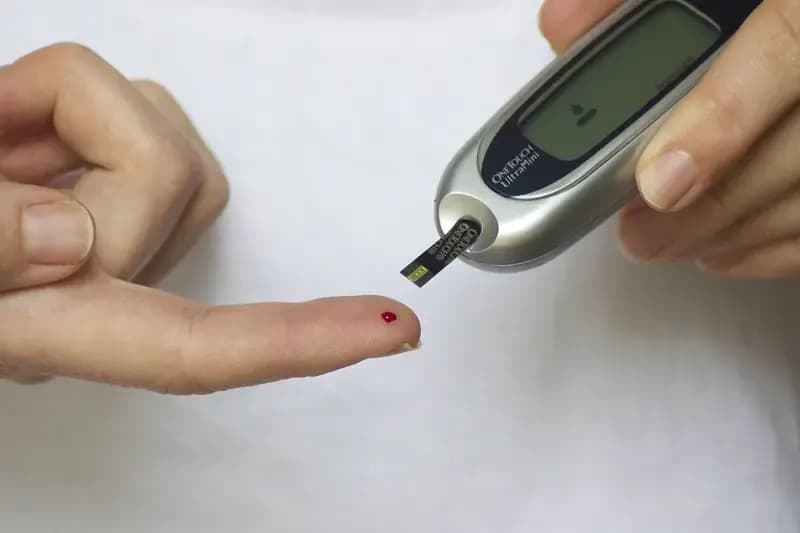
Explore the relationship between jaggery and diabetes, uncover the truth about its impact on blood sugar, and discover diabetes-friendly sweetener alternatives.

This is our in-depth guide on intermittent fasting for seniors, specifically tailored to enhance health and manage diabetes for those over 50.

Poha, a popular Indian breakfast, can be a healthy choice when prepared mindfully. Learn how to maximize its nutritional benefits by adding vegetables and protein sources.

Maintaining healthy blood sugar levels is essential for overall well-being. In this video, the doctor highlights five foods that can help naturally support blood sugar control: 🥬 Leafy Greens 🌿 Cinnamon 🍓 Berries 🌾 Whole Grains 🥑 AvocadoThese foods are rich in fiber, antioxidants, and essential nutrients that help stabilize glucose levels and support better metabolic health.Remember, a balanced diet, portion control, and regular physical activity are key to managing blood sugar effectively. 🎥 Watch the video to learn how these foods can benefit your health.

Maintaining a healthy diet is crucial for preventing chronic diseases, boosting immunity, and promoting overall well-being.

Living with diabetes doesn't mean you must sacrifice enjoying food.

A nursing care plan for diabetes mellitus focuses on assessing, diagnosing, and implementing strategies for effective management. Learn how to optimize patient care and prevent complications.

Navigating diabetes management or simply maintaining awareness of one's blood sugar levels requires understanding and utilizing a variety of tools, one of the most crucial being the blood sugar conversion chart.

Myth vs Fact: Sugar-Free Sweets and Ice CreamMyth: Sugar-free sweets and ice creams are healthy alternatives.Fact: Sugar-free does not always mean healthy. These products may contain artificial sweeteners, unhealthy fats, or excessive calories that can negatively impact your health if consumed in large quantities. It is important to check ingredient labels and monitor portion sizes, as overconsumption can still contribute to weight gain and other health concerns.Key TakeawayNot all sugar-free treats are completely guilt-free. Moderation is essential. Focus on balanced nutrition and include whole, nutrient-rich foods as part of a healthy lifestyle.General Advice: If you have any medical condition, please consult your nearest healthcare provider, hospital, or doctor as soon as possible. Contact: 7566003344

Blood sugar levels play a crucial role in overall health, especially for individuals managing conditions like diabetes.
How hidden sugar quietly sneaks into your daily routine without you realizing it

Corn flakes vary by product. Learn how processing, fibre, portions and the full meal affect blood glucose, and how to check labels for diabetes or coeliac disease.

Living with prediabetes means that your blood sugar levels are higher than normal but not high enough to be classified as diabetes.
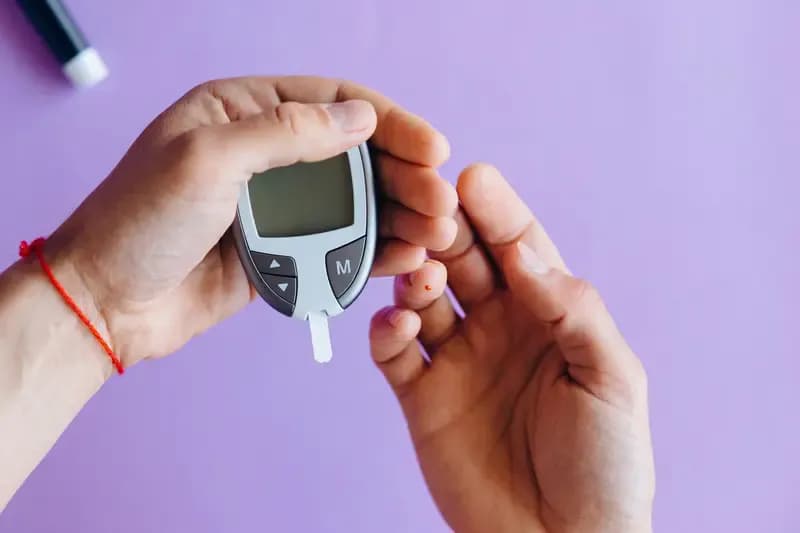
Diabetes and prediabetes are growing concerns worldwide. Discover how natural strategies, including diet, exercise, and lifestyle changes, can effectively help manage blood sugar levels.

For individuals with diabetes, managing sugar intake is a critical aspect of maintaining overall health. Sugary foods such as cola, candy, ice cream, and cereals are not just tempting; they can be addictive, leading to withdrawal symptoms like anxiety and mood swings when reduced or eliminated from the diet.

Fast food is convenient but can impact health. Learn about fast food news, healthy options, gluten-free choices, and the best fast food deals while maintaining a balanced diet.

Diabetes, especially type 2, can develop gradually with subtle symptoms. Recognizing patterns of thirst, urination, fatigue, and other changes is key to early detection.
Expert answers from our medical team
For diet-composition questions — what to eat, portion sizes, Indian meal planning, millets versus rice — see our nutrition/diabetic-diet hub, which is where our dietitians go deep on food. This hub covers the behavioral side: when to eat around insulin doses, walking after meals to blunt post-meal spikes, managing sick days when you can't eat normally, handling long travel or shift work, and adjusting routines around Ramadan or Karwa Chauth. Diet and behavior work together, but they're different skills — a good plan needs both.
Both matter — for different reasons. Aerobic exercise (walking, cycling, swimming) improves insulin sensitivity and helps weight control; strength training (bodyweight or gym) builds muscle, which is the main site where the body stores and burns sugar. The current recommendation: 150 minutes of moderate aerobic activity per week (30 min × 5 days) plus 2 sessions of strength training. A 15-30 minute walk after each meal — even shorter than the weekly target — measurably reduces post-meal sugar spikes.
For most adults with type 2 diabetes, losing 5-10% of body weight substantially improves HbA1c, blood pressure, and cholesterol. For newly diagnosed patients with 10-15% weight loss, remission (HbA1c under 6.5% without medication) is possible. The mechanism: less fat around the pancreas and liver restores their ability to handle insulin and glucose. This is why weight is emphasized so much in diabetes management — it's the single most changeable driver.
Yes, both. Poor sleep (less than 6 hours, disrupted sleep, untreated sleep apnea) raises insulin resistance and increases hunger for high-carb foods — sugars run higher the next day. Chronic stress raises cortisol, which raises blood sugar directly. This isn't imaginary — it's measurable in HbA1c over time. Fixing sleep hygiene, treating sleep apnea if present, and using stress-management practices (breathing, yoga, therapy) genuinely improve diabetes control.
Under specific conditions — yes, for some patients. Time-restricted eating (a 10-12 hour daily eating window) is generally safe and can help weight loss. Longer fasts (16+ hours daily or 24-hour fasts) can help some patients but need supervision if you're on insulin or sulfonylureas, because of hypoglycemia risk. Religious fasts (Ramadan, Karwa Chauth, Ekadashi) should be discussed with your diabetologist in advance to adjust medication timing. Never stop diabetes medication for a fast without medical guidance.
Questions from our community members
Ask our medical community. Your question may help others with similar concerns.
Verified specialists across India