Mucocutaneous Candidiasis: Symptoms, Causes, and Treatment

Mucocutaneous Candidiasis: Symptoms, Causes, and Treatment

Overview

Mucocutaneous candidiasis is a fungal infection that affects the skin, nails, and mucous membranes, caused by the Candida species of fungi.

Introduction

Mucocutaneous candidiasis is a fungal infection that affects the skin, nails, and mucous membranes, caused by the Candida species of fungi. This condition can lead to a range of symptoms, including itching, redness, and discomfort. It commonly affects individuals with weakened immune systems, diabetes, or those taking certain medications. Understanding the symptoms, causes, and treatment options for mucocutaneous candidiasis is essential for effective management and prevention.

Causes of Mucocutaneous Candidiasis

Mucocutaneous candidiasis is primarily caused by the overgrowth of Candida fungi, particularly Candida albicans. Several factors can contribute to the development of this condition:
Individuals with weakened immune systems, such as those with HIV/AIDS or undergoing chemotherapy, are more susceptible to Candida infections.

1. Weakened Immune System

High blood sugar levels can promote the growth of Candida fungi, leading to infections.

2. Diabetes

Prolonged use of antibiotics can disrupt the balance of normal flora, allowing Candida to overgrow.

3. Antibiotic Use

Hormonal changes during pregnancy or hormonal therapy can increase the risk of Candida infections.

4. Hormonal Changes

Inadequate hygiene practices can contribute to the growth of Candida fungi.

5. Poor Hygiene

Long-term use of corticosteroids can suppress the immune system, making it easier for Candida to thrive.

6. Use of Corticosteroids

Symptoms of Mucocutaneous Candidiasis

The symptoms of mucocutaneous candidiasis can vary depending on the affected area. Common symptoms include:
Red, itchy rash with a moist appearance, often occurring in skin folds.

1. Skin

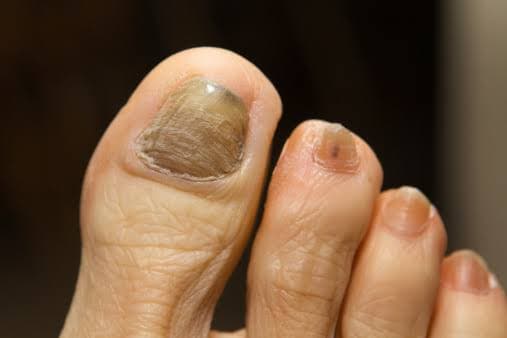
Thickened, discolored nails that may become brittle and painful.

2. Nails

White patches on the tongue, inner cheeks, and roof of the mouth (oral thrush).

3. Mouth

Itching, redness, and discharge in the genital area (vulvovaginal candidiasis in women and balanitis in men).

4. Genitals

Pain and difficulty swallowing, often associated with oral thrush extending into the esophagus.

5. Esophagus

Diagnosis of Mucocutaneous Candidiasis

Diagnosis of mucocutaneous candidiasis involves a combination of clinical evaluation and laboratory tests. Key diagnostic methods include:
A healthcare provider will examine the affected areas and look for characteristic signs of Candida infection.

1. Physical Examination

Scrapings from the affected areas may be examined under a microscope to identify Candida fungi.

2. Microscopic Examination

Samples from the affected areas can be cultured in a laboratory to confirm the presence of Candida species.

3. Culture

In some cases, a biopsy may be performed to rule out other conditions and confirm the diagnosis.

4. Biopsy

Treatment of Mucocutaneous Candidiasis

Treatment for mucocutaneous candidiasis aims to eliminate the infection and prevent recurrence. Common treatment options include:
Topical antifungal creams, ointments, and oral antifungal medications are commonly used to treat Candida infections.

1. Antifungal Medications

Maintaining proper hygiene, keeping the affected areas clean and dry, and avoiding irritants can help prevent and manage Candida infections.

2. Good Hygiene Practices

Controlling underlying conditions such as diabetes and avoiding prolonged use of antibiotics and corticosteroids can reduce the risk of recurrent infections.

3. Managing Underlying Conditions

Reducing sugar intake and consuming a balanced diet can help manage Candida overgrowth.

4. Dietary Changes

Probiotic supplements can help restore the balance of normal flora and prevent Candida overgrowth.

5. Probiotics

Prevention of Mucocutaneous Candidiasis

Preventing mucocutaneous candidiasis involves maintaining good hygiene, managing underlying conditions, and adopting healthy lifestyle practices. Key preventive measures include:
Regularly wash and dry the affected areas, avoid tight-fitting clothing, and maintain overall cleanliness.

1. Good Hygiene Practices

Limit sugar intake, consume a balanced diet, and consider incorporating probiotics to maintain a healthy gut flora.

2. Dietary Modifications

Effectively manage conditions such as diabetes and avoid prolonged use of antibiotics and corticosteroids.

3. Managing Underlying Conditions

Regular visits to healthcare providers can help monitor and manage conditions that increase the risk of Candida infections.

4. Regular Health Check-Ups

Conclusion

Mucocutaneous candidiasis is a common fungal infection that can affect the skin, nails, and mucous membranes. Understanding the symptoms, causes, and treatment options is essential for effective management and prevention. By maintaining good hygiene practices, managing underlying conditions, and seeking appropriate medical care, individuals can reduce the risk of mucocutaneous candidiasis and improve their overall health.

About Zocvi

Zocvi connects patients with verified doctors and evidence-based health guidance. Visit zocvi.com or reach us on WhatsApp at +91-92724-57637.


Frequently Asked Questions

Who gets mucocutaneous candidiasis?

Anyone whose local skin barrier or systemic immunity is weakened. Commonest scenarios in India: (1) uncontrolled diabetes (HbA1c >8%) — Candida thrives in high-sugar tissue; recurrent oral thrush or genital candidiasis without other reason should trigger a diabetes screen. (2) Recent broad-spectrum antibiotics — they wipe out protective bacteria, letting Candida overgrow. (3) HIV-positive individuals — especially with CD4 counts under 200. (4) Inhaled steroid users (asthma, COPD) — thrush on the tongue is common; rinse mouth after every puff. (5) Infants (diaper candidiasis) and elderly with dentures. Recurrent unexplained candidiasis in an otherwise healthy adult warrants HIV testing and HbA1c.

How do I recognise Candida infection at different body sites?

Site-specific signs. Oral thrush: creamy white patches on tongue and inner cheeks that scrape off leaving red raw skin underneath. Angular cheilitis: cracked painful corners of the mouth (common in denture wearers and diabetics). Intertrigo: bright red rash with satellite lesions in skin folds (under breasts, groin, armpits, between fingers), often itchy and burning. Nail candidiasis (paronychia): swollen tender skin at nail fold, thick discoloured nail — common in people whose hands are constantly wet (cooks, cleaners). Vulvovaginal candidiasis: intense itch, thick white cottage-cheese discharge, external redness. Balanitis: red inflamed foreskin with white discharge in uncircumcised men, especially diabetic.

What is the standard treatment for mucocutaneous candidiasis?

Depends on site and severity. Skin folds and small patches: topical clotrimazole or miconazole cream twice daily for 2-4 weeks. Oral thrush: nystatin oral suspension (swish and swallow, 4x daily) or fluconazole 150 mg single dose for mild cases; more severe cases need 7-14 days of fluconazole 100 mg daily. Vulvovaginal candidiasis: clotrimazole vaginal pessary or fluconazole 150 mg single oral dose. Recurrent or severe candidiasis (4+ episodes/year, immunocompromised): 6 months of maintenance fluconazole (150 mg weekly) plus workup for underlying immunodeficiency. Do not use topical steroids on Candida infection — they make it worse.

How do I prevent recurrent Candida infections?

Five things that work. (1) Tight diabetes control — bring HbA1c below 7%; recurrent candidiasis often resolves with glycemic control alone. (2) Keep skin folds dry — dust with antifungal powder (clotrimazole powder or miconazole talc) after bathing, wear breathable cotton. (3) Rinse mouth after every inhaled steroid puff. (4) Complete the full antibiotic course only when necessary — probiotics (Lactobacillus) during antibiotic courses reduce vaginal thrush. (5) For denture wearers: soak dentures overnight in chlorhexidine solution, brush gums before reinserting. Long-term hair-scalp candidiasis or thick nail candidiasis needs a dermatologist because topical treatment may need 2-3 months.

Questions About This Article

Have a question? Ask the author directly.

Have a question about this article?

Ask Zocvi Editorial directly. Your question may help others with similar concerns.

Q:1 answer
Q:1 answer
Q:1 answer
Q:1 answer

Comments (0)

Found this helpful? Share it!

LinkedInWhatsApp

More from Zocvi Editorial

Other Articles You May Like

Dr. Prashant Jain

Ayurvedic Doctor • 12 yrs • Delhi

70 views

Tips to Manage Diabetes Naturally

Nirmal Ayurved

Tips for Managing Diabetes and Staying HealthyTake control of your diabetes and prioritize your health with NIRMAL AYURVED. Follow these essential tips to manage diabetes effectively and lead a healthy lifestyle. Start by adopting a healthy eating plan, staying physically active, and monitoring your blood sugar levels regularly. Don't forget to keep up with regular check-ups to ensure your diabetes is well-managed. With NIRMAL AYURVED's expertise in Ayurvedic medicine, you can explore holistic approaches to managing diabetes and improving your overall well-being. Take charge of your health today and embrace a healthier future!

Dr. Prashant Jain

Ayurvedic Doctor • 12 yrs • Delhi

60 views

Stress & Diabetes: The Hidden Link

Nirmal Ayurved

Apart from many other causes, stress is one of the important factors of diabetes in many people. Stress increases the cortisol levels and in turn, it increases the blood sugar level. Owing to this, a person who is in stress for a prolonged period develops the symptoms of diabetes. Talk to Dr. Prashant Jain (MD. Ayu.) on how to control your stress levels now and manage diabetes.Get a free stress evaluation on: www.nirmalayurved.co.in/aatman

Find a Doctor for Diabetes Complications

Verified specialists across India

Dr. Shruti Patel

Dermatologist

19 yrs

Ahmedabad

Elegance Skin And Cosmetic Clinic
Satellite, Ahmedabad, Gujarat, 380015
₹600 consultation

Dr. Adit Mohan Garg

Dermatologist

15 yrs

Kota

Alok Hospital
VIP Colony, Kota, Rajasthan, 324005
₹300 consultation

Dr. Pramod Kumar

Dermatologist

38 yrs

Mangaluru

KMC Hospital, Balmatta, Mangalore
Boloor, Mangaluru, Karnataka, 575003
₹400 consultation

Dr. Anisha Najeeb

Dermatologist

7 yrs

Siliguri

Mahabir's Doctor Hub
Mahananda Para, Siliguri, West Bengal, 734005
₹500 consultation