Healthy Diet Plan for Weight Loss: Proven Tips, Meal Plans, and Expert Strategies

Healthy Diet Plan for Weight Loss: Proven Tips, Meal Plans, and Expert Strategies

Overview

Discover a scientifically-backed, healthy diet plan for effective weight loss with meal ideas, tips, and strategies to achieve sustainable results.

Introduction

Weight loss is not about crash diets or quick fixes but achieving a sustainable lifestyle with balanced nutrition and mindful habits. According to the World Health Organization (WHO), obesity has tripled globally since 1975, with over 39% of adults overweight. This comprehensive guide will walk you through proven diet strategies, meal ideas, and tips to achieve healthy, long-term weight loss.

Understanding the Basics of Weight Loss

Effective weight loss is based on creating a calorie deficit—burning more calories than you consume. However, focusing solely on calories isn't enough; the quality of the food matters. Research from the American Journal of Clinical Nutrition highlights that nutrient-dense foods are more effective in supporting weight loss and overall health than calorie restriction alone.

Why a Balanced Diet is Key to Weight Loss

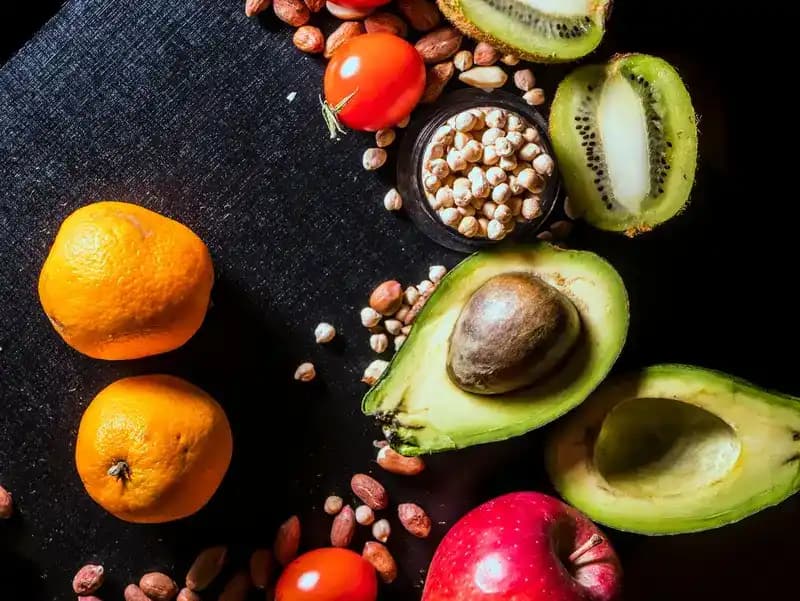
A balanced diet supports weight loss while ensuring your body gets essential nutrients to function optimally. Components of a balanced diet include:
Rich in fiber, vitamins, and antioxidants, they help reduce calorie intake while keeping you full.

Fruits and Vegetables:

Proteins like chicken, fish, legumes, and tofu boost satiety and help preserve muscle mass during weight loss.

Lean Proteins:

Whole grains like oats, brown rice, and quinoa provide sustained energy and are high in fiber, promoting digestive health.

Whole Grains:

Sources like avocados, nuts, and olive oil improve nutrient absorption and support hormone regulation.

Healthy Fats:

Key Components of a Healthy Diet Plan for Weight Loss

To optimize your weight loss journey, focus on these proven components:
Use smaller plates and bowls, measure servings, and listen to your hunger cues to avoid overeating. Studies show portion control reduces calorie intake by 20-30%.

Portion Control:

Ensure a balanced mix of carbohydrates, proteins, and healthy fats. For instance:
Carbs: Whole grains, fruits, and vegetables.
Proteins: Lean meats, fish, lentils, and eggs.
Fats: Nuts, seeds, avocado, and olive oil.

Macronutrient Balance:

Practice mindful eating by chewing slowly, savoring each bite, and avoiding distractions like TV or phones during meals.

Mindful Eating:

Sample Meal Plan for Weight Loss

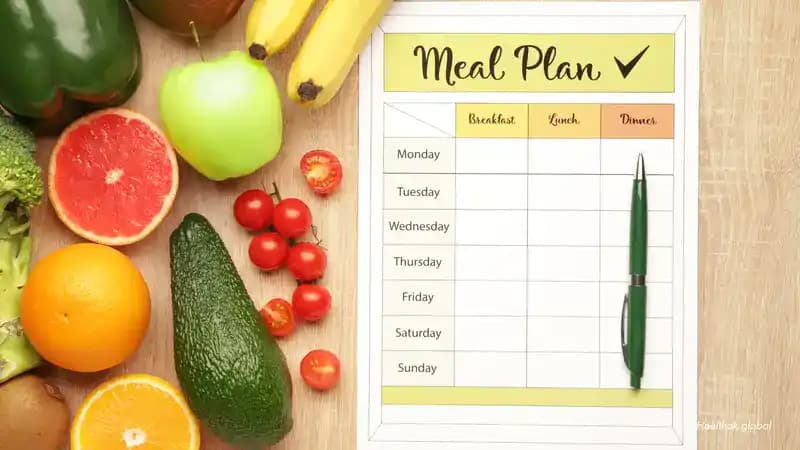
Here’s a simple yet effective meal plan designed to meet your weight loss goals:
Oatmeal with chia seeds, a handful of berries, and a teaspoon of almond butter.

Breakfast:

Grilled chicken breast with a quinoa salad loaded with spinach, tomatoes, cucumbers, and a drizzle of olive oil.

Lunch:

Baked salmon with steamed broccoli and sweet potatoes seasoned with herbs.

Dinner:

Options include an apple with peanut butter, Greek yogurt with a sprinkle of seeds, or carrot sticks with hummus.

Snacks:

The Role of Hydration in Weight Loss

Drinking water is essential for weight loss. A study in Obesity Journal found that drinking 500ml of water before meals can reduce calorie intake by 13%. Stay hydrated by consuming 8-10 glasses of water daily and limiting sugary drinks or sodas.

The Importance of Physical Activity

A healthy diet alone isn’t enough for effective weight loss. Regular physical activity enhances calorie burn and overall well-being. Key activities include:
Walking, cycling, or running helps burn calories and improve heart health.

Cardio Exercises:

Lifting weights or bodyweight exercises (like squats or planks) help build lean muscle, boosting metabolism.

Strength Training:

Aim for at least 150 minutes of moderate activity weekly for sustainable weight loss.

Consistency:

Case Study: Real-Life Weight Loss Success

Meet Sarah, a 34-year-old office worker who lost 20 pounds in 4 months by following a balanced diet plan and incorporating daily 30-minute walks. Her key strategies included portion control, swapping sugary snacks for fruits, and staying hydrated. By adopting small, sustainable changes, Sarah achieved her goals without extreme dieting or deprivation.

Conclusion

Losing weight effectively requires a balanced diet, mindful eating, proper hydration, and regular physical activity. By incorporating nutrient-dense foods, practicing portion control, and staying consistent with your plan, you can achieve sustainable weight loss. Remember, small steps lead to big results. Consult a nutritionist or healthcare professional to tailor a plan that best suits your needs and health goals.

Dedicated Elderly Support by Zocvi

Zocvi offers comprehensive elderly care services to ensure the dignity and safety of seniors. Our expert caregivers provide personalized support, from routine health checks to emotional well-being assistance. Contact our FREE 24 x 7 Healthcare Helpline at +91-92724-57637 for immediate support and assistance.
Follow Zocvi

Stay connected with Zocvi for expert health advice. Follow us on Facebook, LinkedIn, and Instagram.

Frequently Asked Questions

How many calories should I eat per day to lose weight?

Start by calculating your TDEE (Total Daily Energy Expenditure): multiply your body weight in kg by 30–35 for sedentary adults, 35–40 for moderately active adults. For a 70kg sedentary woman, TDEE ≈ 2,100 kcal/day. To lose 0.5kg/week (a safe, sustainable pace), subtract 500 kcal/day: eat 1,600 kcal/day. Never go below 1,200 kcal (women) or 1,500 kcal (men) — below these thresholds, the body enters adaptive thermogenesis (metabolic slowdown), muscle breakdown increases, and nutrient deficiencies develop. A 2019 JAMA study found that the most effective dietary pattern for weight loss was any pattern that reduced processed food and increased protein and fibre — not any specific named diet. The WHO endorses gradual weight loss (0.5–1kg/week) via a 500–1,000 kcal deficit as safer and more sustainable than rapid loss.

What Indian foods are best for weight loss and which should I avoid?

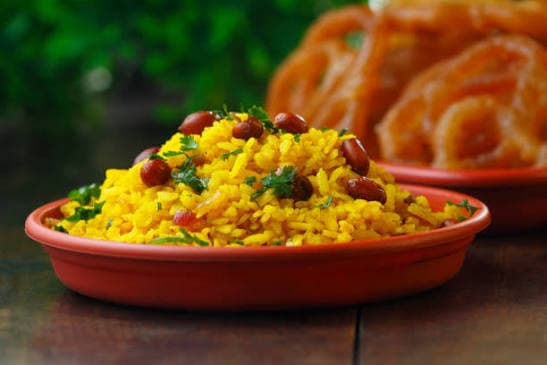
Best Indian foods for weight loss (low calorie + high satiety): Moong dal soup (120 kcal/bowl, high protein, fills stomach); Oats daliya or poha with vegetables (200–280 kcal, high fibre); Cucumber and tomato salad (30–40 kcal, high water content, filling); Chaas/buttermilk (35 kcal per 200ml, probiotic, filling); Roasted chana (200 kcal per 50g, 12g protein, satisfying snack); Eggs/egg whites (75 kcal per egg, most satiating food per calorie by research). Indian foods to limit during weight loss: Puri, bhatura, paratha with butter/ghee — each 200–350 kcal with low satiety; Mithai, ladoo, halwa — 300–500 kcal per piece, minimal nutrition; White rice in large portions — high GI, rapid hunger return; Namkeen, biscuits, Maggi — ultra-processed, high calorie density, engineered to override satiety signals. Note: ghee in small amounts (1 tsp, 45 kcal) used for cooking does not inhibit weight loss. The enemy is portion size and ultra-processing, not traditional Indian fats.

Can I lose weight with diet alone or do I need to exercise?

Diet alone can create the caloric deficit necessary for weight loss — it is the primary lever (exercise contributes roughly 20–30% of total calorie deficit in most people). A 2012 review in the American Journal of Clinical Nutrition showed that diet-only interventions produced 4–6x more weight loss than exercise-only programmes in overweight adults. However, exercise has critical roles that diet cannot replace: (1) Preservation of lean muscle mass — without resistance training, 30–40% of weight lost is muscle, not fat; (2) Metabolic health — exercise improves insulin sensitivity, cardiovascular health, and mood independent of weight loss; (3) Maintenance — exercise predicts long-term weight maintenance better than initial weight loss. The optimal approach: 500 kcal dietary deficit (diet) + 200–300 kcal exercise deficit + resistance training 2–3×/week. For people who cannot exercise (injury, disability), diet-only weight loss is completely achievable — but muscle mass protection through adequate protein (1.2–1.4g/kg) becomes even more important.

Does drinking more water actually help with weight loss?

Yes — with a specific mechanism and measurable effect. An RCT published in Obesity (2015) found that drinking 500ml of water 30 minutes before each meal reduced calorie intake by 13% and resulted in 2.4kg more weight lost over 12 weeks vs. control. The mechanism: gastric stretch from water volume triggers satiety signals; cold water also has a tiny thermogenic effect (the body expends ~8 kcal heating 250ml of cold water to body temperature — minimal direct calorie burn). More importantly, replacing sugary beverages with water significantly reduces caloric intake — the average Indian who drinks 1 bottle of cold drink (330ml, 140 kcal) per day and switches to water saves 51,000 kcal/year, equivalent to ~6.6kg of fat. Practical targets: 8–10 glasses (2–2.5 litres) daily; 1 glass before each meal; increase by 500ml in summer or during exercise. Tea and coffee without sugar count; sweetened beverages and fruit juices do not count as water — they add calories.

Questions About This Article

Have a question? Ask the author directly.

Have a question about this article?

Ask Zocvi Editorial directly. Your question may help others with similar concerns.

Q:1 answer
Q:1 answer
Q:1 answer
Q:1 answer

Comments (0)

Found this helpful? Share it!

LinkedInWhatsApp

More from Zocvi Editorial

Other Articles You May Like

Related Topics

Find a Doctor for Diabetes Prevention

Verified specialists across India

Dr. Dhananjay Pandey

Bariatric Surgeon

17 yrs

Ghaziabad

Max Super Speciality Hospital, Vaishali
Niti Khand I, Ghaziabad, Uttar Pradesh, 201014
₹1000 consultation

Dr. Manish Khaitan

Bariatric Surgeon

29 yrs

Ahmedabad

KD Hospital
Vaishnodevi Circle, Ahmedabad, Gujarat, 382421
₹600 consultation

Dr. Ashish Ahuja

Bariatric Surgeon

27 yrs

Ludhiana

Dr. Ashish Ahuja's Weight Loss Surgery
Civil Lines, Ludhiana, Punjab, 141001
₹500 consultation

Dr. Atul Peters

Bariatric Surgeon

Delhi

Max Smart Super Speciality Hospital
Saket, Delhi, Delhi, 110017
Fee on request