Diabetes Management Using a Sliding Scale Insulin Chart
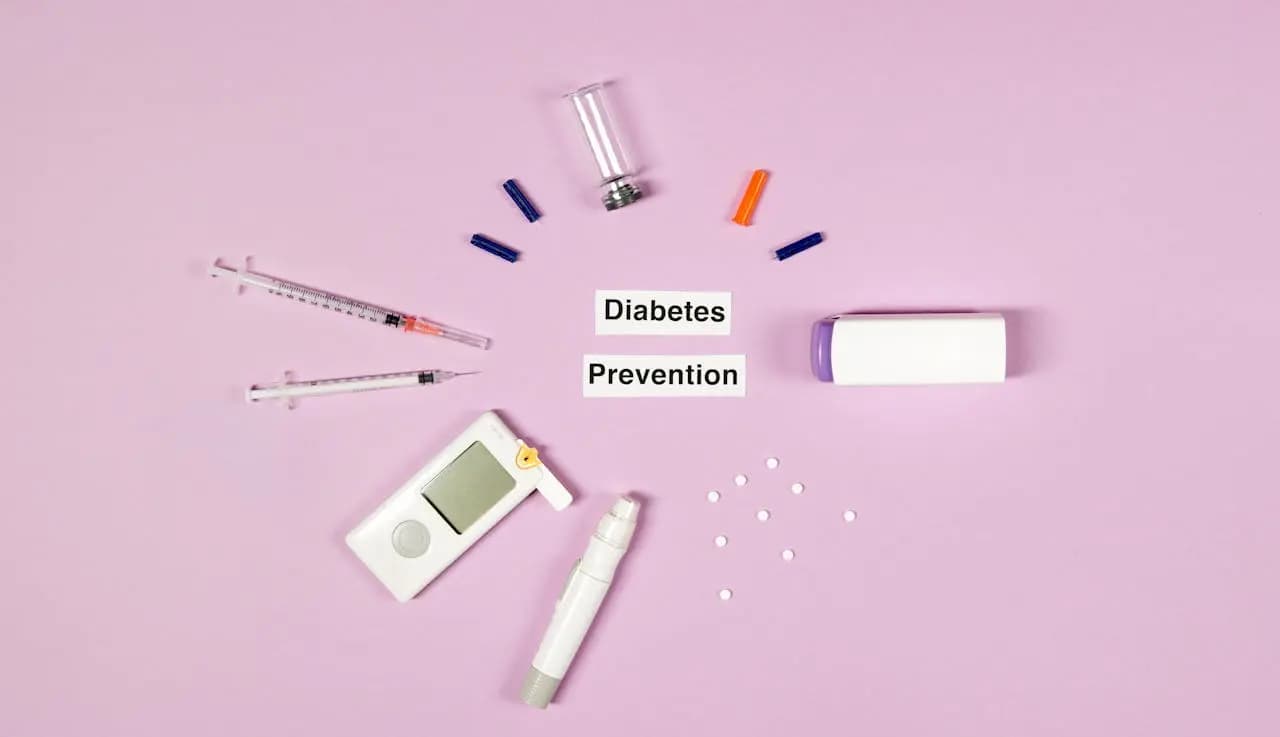
Diabetes management is a meticulous balancing act involving the regulation of blood sugar levels to prevent both short and long-term complications.

Type 1 Diabetes covers the autoimmune form of diabetes — where the immune system destroys the insulin-producing beta cells of the pancreas, and the person needs lifelong insulin from the moment of diagnosis. Usually appears in childhood or adolescence, sometimes in young adulthood, and is unrelated to weight, diet or lifestyle at onset. Our endocrinologists and pediatric diabetes team explain how to manage basal-bolus insulin dosing around meals, exercise, school and illness, how to spot and treat hypoglycemia before it becomes serious, when insulin pumps and continuous glucose monitors are worth the investment for an Indian household, and how families and young adults build the daily routines that make good long-term control possible. With modern tools and knowledge, children and adults with type 1 lead full, active lives.
Last reviewed: 10 August 2026
Diabetes management is a meticulous balancing act involving the regulation of blood sugar levels to prevent both short and long-term complications.
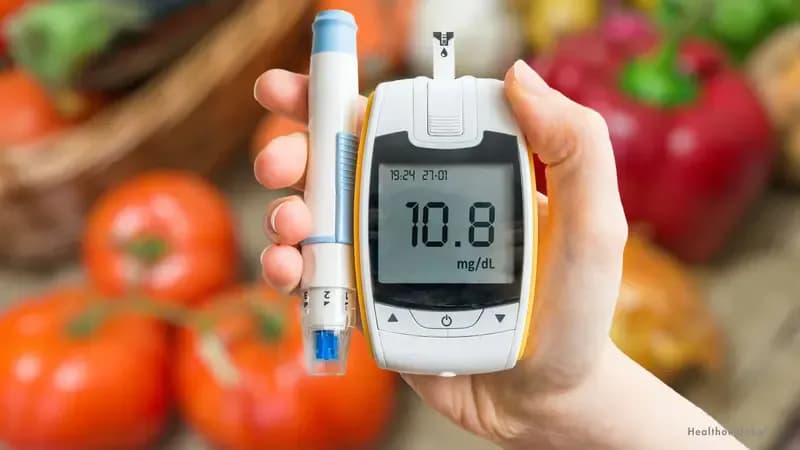
Diabetes is a chronic condition that requires comprehensive management to ensure a high quality of life.
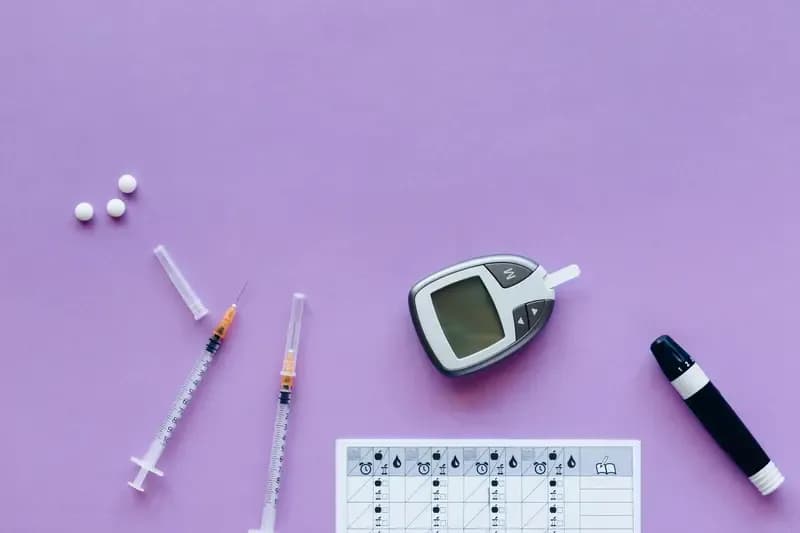
Insulin therapy is pivotal for managing both Type 1 and Type 2 diabetes.
A nursing care plan for diabetes mellitus focuses on assessing, diagnosing, and implementing strategies for effective management. Learn how to optimize patient care and prevent complications.
This case study follows a 52-year-old man diagnosed with type 2 diabetes. It highlights how a combination of medication, dietary changes, exercise, and regular monitoring led to significant improvements in his health.
Expert answers from our medical team
Symptoms usually appear over weeks and are more dramatic than in type 2: intense thirst, constant urination, sudden unexplained weight loss, extreme fatigue, blurred vision, fruity-smelling breath, and — if untreated — nausea, vomiting, deep rapid breathing, and confusion (diabetic ketoacidosis, a medical emergency). Any child or young adult with these symptoms needs a same-day sugar test.
Yes — for life. In type 1, the pancreas has stopped producing insulin, and there is no oral tablet that can replace it. Most people use a combination of a long-acting insulin once or twice a day plus rapid-acting insulin before meals. Some use an insulin pump that delivers continuous insulin through a small device. Skipping insulin causes ketoacidosis within hours — this is not a medication one can 'try to stop'.
Absolutely. Children and teens with type 1 attend school, play sports, take exams, and grow up as their peers do — with the added routine of checking sugars, counting carbs, and dosing insulin. Schools should be informed and supportive; a diabetes-educator-led plan for meals, PE, and hypoglycemia response makes a huge difference. Adults with type 1 marry, have children, and work in every profession. The goal is normal life, not a restricted one.
Hypoglycemia (blood sugar below 70 mg/dL) is the most common side effect of insulin. Early signs: shakiness, sweating, hunger, palpitations, irritability, difficulty concentrating. Treat immediately with 15 grams of quick sugar — half a glass of juice, three glucose tablets, or a tablespoon of honey — then recheck in 15 minutes. Severe hypoglycemia with confusion or loss of consciousness needs glucagon or emergency help. Everyone with type 1 (and family/friends) should know these steps cold.
Continuous glucose monitors and insulin pumps have transformed type 1 care globally, and both are increasingly available in India (major cities, at real cost — CGM ~₹5,000-8,000/month, pumps ~₹1.5-3 lakh upfront). They aren't required for good control — many people do very well with multiple daily injections and finger-prick monitoring — but for those with frequent hypoglycemia, erratic sugars, or intensive lifestyles, the newer technology genuinely improves outcomes and quality of life.
Questions from our community members
Ask our medical community. Your question may help others with similar concerns.
Verified specialists across India