
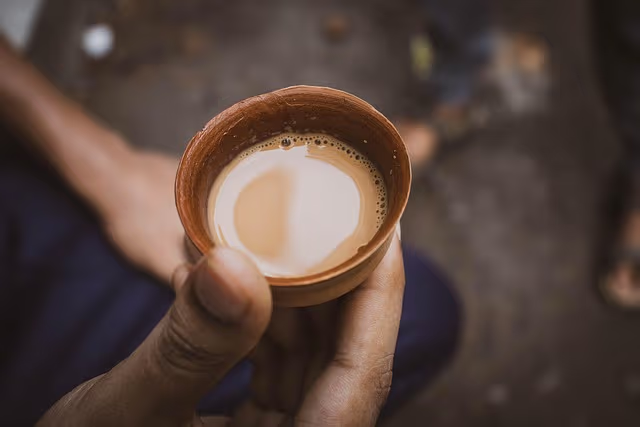
Overview
Understanding Your Tea's Sweetness
For many, tea is more than just a beverage; it's a daily ritual. The question of how much sweetener to add—one spoon or two—is a common one. You might have heard conflicting advice: that sugar is bad, artificial sweeteners are healthier, or that sugar-free options are best. The reality is more complex, with regular sugar, artificial sweeteners, and unsweetened tea each having distinct pros and cons. Your best choice depends on your consumption habits, dietary context, and health goals.
What's in Your Cup?
Before choosing a sweetener, it's helpful to understand the common types:
- Regular Sugar Tea: Uses table sugar (sucrose), which raises blood glucose and adds calories.
- Artificial/Non-Sugar Sweetener Tea: Uses sweeteners like sucralose, saccharin, or aspartame. These typically add very few or no calories and have little direct effect on blood glucose.
- Stevia-Sweetened Tea: Uses steviol glycosides derived from the Stevia plant, offering very few calories and generally little direct effect on blood glucose.
- Unsweetened Tea: Contains no added sweeteners and therefore no sweetener calories or direct impact on blood glucose.
High-intensity sweeteners are significantly sweeter than sugar, requiring only small amounts. Approved options include sucralose, aspartame, saccharin, acesulfame potassium, and certain steviol glycosides.
The Impact of Regular Sugar
Classic tea with milk and sugar involves adding sucrose, a carbohydrate broken down into glucose and fructose. Even a single teaspoon of sugar adds about 4 grams and 16 calories. The real concern often lies in the cumulative amount consumed throughout the day. For instance, four cups of tea, each with two teaspoons of sugar, can contribute around 32 grams of added sugar daily. The American Heart Association recommends limiting added sugar to about 25 grams per day for women and 36 grams for men.
Regular sugar tea can be a reasonable choice occasionally if you consume only one cup, have little other added sugar in your diet, and can keep the quantity small. The key is moderation in both quantity and frequency.
When Artificial Sweeteners Can Be Useful
Artificial sweeteners, more accurately termed non-sugar or high-intensity sweeteners, include substances like sucralose, aspartame, saccharin, and acesulfame-K. Because they are intensely sweet, only tiny amounts are needed. Many approved high-intensity sweeteners contribute few calories and generally do not cause the same blood glucose spikes as sugar.
These sweeteners can be particularly helpful for individuals aiming to:
- Reduce added sugar intake.
- Consume multiple cups of tea daily.
- Lower beverage calories.
- Manage diabetes by avoiding added sugar in tea.
- Transition away from very sweet beverages.
Replacing sugar with a non-sugar sweetener in multiple daily cups can significantly cut down on added sugar. However, it's crucial to remember that reducing sugar in tea doesn't automatically make your entire diet healthy. Other dietary choices throughout the day still play a significant role.
Stevia and "Sugar-Free" Tea
Stevia, derived from the Stevia rebaudiana plant, is often perceived differently from artificial sweeteners. While its purified steviol glycosides are used as high-intensity sweeteners and have undergone safety evaluations, "natural" doesn't imply unlimited use. Similarly, "artificial" doesn't automatically equate to dangerous. The safety and appropriateness depend on the specific sweetener, the amount used, and regulatory approval.
The term "sugar-free" on packaged drinks can be misleading. It often means the product contains less than 0.5 grams of sugars per serving, but it may still contain non-sugar sweeteners. Always check the ingredient list for clarity.
Making a Healthier Choice
There isn't a one-size-fits-all answer to which tea sweetener is best. Consider these guidelines:
- Generally Healthy, One Cup Daily: A small amount of regular sugar is often acceptable, but unsweetened tea is also a healthy option.
- Multiple Sweet Cups Daily: Reducing sugar is important. Gradually decrease the amount or use a suitable non-sugar sweetener.
- Diabetes: Unsweetened tea or tea with an appropriate non-sugar sweetener is generally preferable to adding sugar. Remember that overall carbohydrate intake is key.
- Weight Loss: Unsweetened tea is the simplest choice. Low- or no-calorie sweeteners can reduce calories compared to sugar, but the World Health Organization (WHO) advises against relying on them long-term for weight control.
A sweetener can replace sugar, but it doesn't create a healthy diet on its own.
Practical Comparison
| Situation | Better Practical Choice |
|---|---|
| One cup of tea occasionally | Small amount of sugar or unsweetened |
| Several cups every day | Unsweetened or reduced-sugar |
| Diabetes | Unsweetened or suitable non-sugar sweetener |
| Trying to reduce calories | Unsweetened or low/no-calorie sweetener |
| Trying to reduce dependence on sweetness | Gradually reduce sugar/sweetener |
| Strong preference for sweet tea | Small amount of sugar or suitable non-sugar sweetener |
| Children | Prefer gradually less-sweet drinks |
| Simplest everyday option | Unsweetened tea |
Adjusting Sweetness Levels
There's no medical necessity to add sugar to tea. If you use a lot of sugar, try a gradual reduction over several weeks. Your taste buds can adapt to less sweetness. Remember, your total daily added sugar intake is more significant than the amount in a single cup.
When using artificial sweeteners, follow product instructions carefully, as concentrations vary. Regulatory bodies like the FDA establish acceptable daily intakes (ADIs) for sweeteners, which are safety limits, not recommended consumption targets.
Safety of Artificial Sweeteners
Approved non-sugar sweeteners are generally considered safe for the population when used as intended. However, individuals with phenylketonuria (PKU) must avoid aspartame due to its phenylalanine content. "Safe" does not mean "necessary"; if you enjoy unsweetened tea, there's no nutritional reason to add a sweetener.
Sweeteners and Diabetes Management
For individuals with diabetes, replacing sugar with a suitable non-sugar sweetener can reduce carbohydrate and calorie intake from tea. However, it's vital not to assume "sugar-free" tea permits unlimited consumption of accompanying snacks like biscuits or namkeen. The foods eaten with tea often have a greater impact on blood glucose and overall nutrition than the sweetener in the tea itself. Consider your entire tea-time habit.
Crafting a Healthier Cup
Follow these steps for a healthier cup of tea:
- Start with the tea: Use your preferred tea leaves or bag.
- Control the milk: Be mindful of the amount of milk, as it contains natural sugars and calories.
- Assess sweetness needs: Taste the tea before adding any sweetener.
- Measure sugar: If using sugar, measure the amount rather than adding heaped spoons. Start with less.
- Follow sweetener instructions: Use the amount recommended on the product label, as strengths vary.
- Watch accompanying items: Snacks and treats consumed with tea can significantly impact your overall intake.
Ranking Your Tea Options
When simplifying the decision:
- 🥇 Unsweetened Tea: Ideal if you enjoy it, avoiding added sugar and reliance on sweeteners.
- 🥈 Tea with a Suitable Non-Sugar Sweetener: Practical for those wanting sweetness while reducing sugar and calories, especially with multiple daily cups.
- 🥉 Tea with Regular Sugar: Acceptable in moderation, particularly with small quantities and a diet low in added sugar. The issue arises when "one spoon" becomes several, multiple times a day.
Rethinking "Zero Sugar"
The healthiest tea isn't necessarily the most complex. If you can comfortably drink tea unsweetened, that's the simplest choice. For those who find unsweetened tea difficult and consume large amounts of sugary tea, switching to a suitable non-sugar sweetener can be a practical step. Reducing the amount of ordinary sugar also works. The aim should be less unnecessary sweetness, not finding a mythical "perfect" sweetener. The WHO also suggests reducing overall dietary sweetness rather than relying on non-sugar sweeteners for long-term weight management.
Final Thoughts
Avoid labeling regular sugar as entirely "bad" or artificial sweeteners as automatically "good." Your situation dictates the best choice:
- Occasional tea: A little sugar is reasonable.
- Multiple sugary teas daily: Reduce sugar or switch to unsweetened.
- Diabetes: Unsweetened tea or an appropriate non-sugar sweetener can help manage added sugar intake.
- Weight management: Unsweetened tea is simplest; low/no-calorie sweeteners can reduce calories but shouldn't encourage consuming more sweet foods.
For the healthiest long-term habit, gradually train your palate to enjoy tea with less sweetness. Ultimately, the best tea is one that aligns with your health needs and helps control your overall added-sugar intake.





Comments (0)