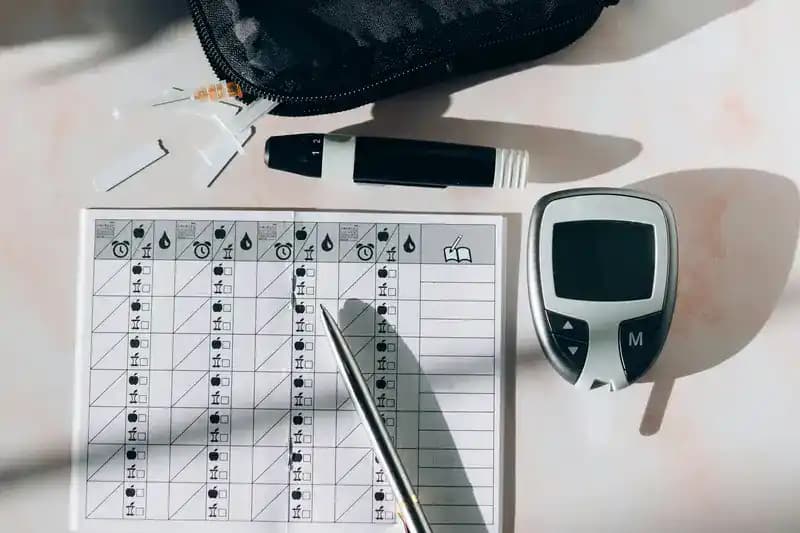
Understanding Blood Sugar Levels: Your Guide to the Blood Sugar Conversion Chart

Understanding Blood Sugar Levels: Your Guide to the Blood Sugar Conversion Chart

Overview

Navigating diabetes management or simply maintaining awareness of one's blood sugar levels requires understanding and utilizing a variety of tools, one of the most crucial being the blood sugar conversion chart.

Introduction

Navigating diabetes management or simply maintaining awareness of one's blood sugar levels requires understanding and utilizing a variety of tools, one of the most crucial being the blood sugar conversion chart. This invaluable resource aids individuals in interpreting their glucose readings, ensuring they can effectively manage their health. Let's dive into the significance of blood sugar monitoring and how a conversion chart can be a cornerstone of diabetes management.

What Is a Blood Sugar Conversion Chart?

The blood sugar conversion chart is a tool designed to help individuals convert their blood glucose readings from one unit of measurement to another. Typically, blood sugar levels are measured in milligrams per deciliter (mg/dL) in the United States and millimoles per liter (mmol/L) in most other countries. Understanding how to read and convert these measurements is essential for anyone managing diabetes or monitoring their blood sugar levels for overall health.

Why the Conversion Chart Is Essential

Diabetes management often involves collaborating with healthcare providers from different regions or referencing medical resources that may use alternative units for blood sugar readings. The blood sugar conversion chart facilitates accurate interpretation of these readings, ensuring individuals can make informed decisions about their health regardless of the units employed.

The Role of Blood Sugar Monitoring in Diabetes Management

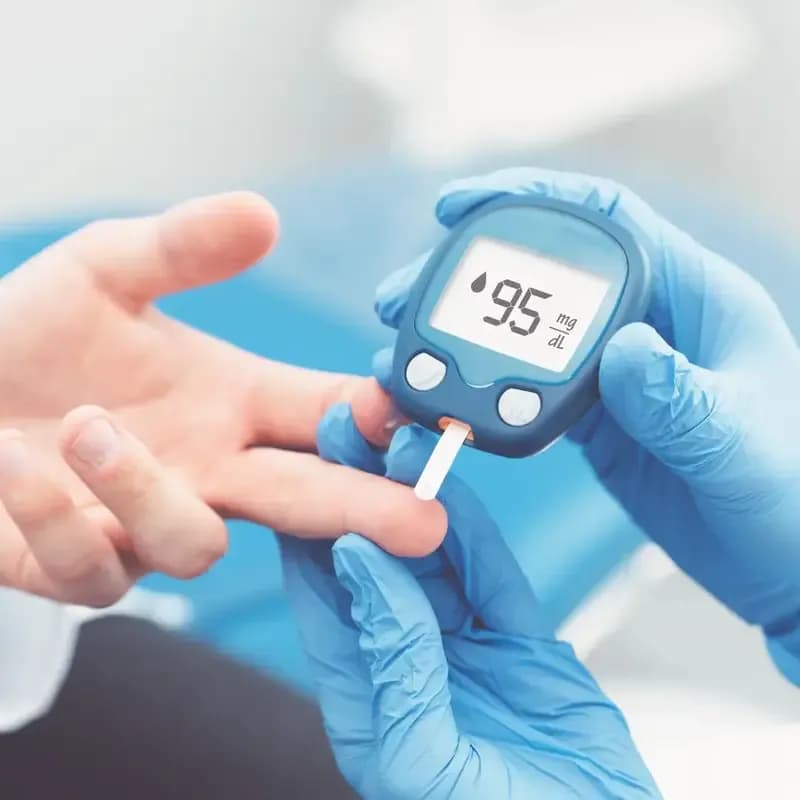
Regular blood sugar monitoring is a cornerstone of effective diabetes management. It allows individuals to understand how different foods, activities, and medications affect their glucose levels, enabling them to make adjustments to their lifestyle or treatment plan as necessary.

How to Use a Blood Sugar Conversion Chart

To utilize a blood sugar conversion chart, simply find your current blood sugar reading in either mg/dL or mmol/L and locate the corresponding value in the alternate unit. This straightforward process demystifies blood sugar readings, making them accessible and understandable to everyone, regardless of their familiarity with diabetes terminology.

Creating a Personalized Diabetes Management Plan

Integrating the use of a blood sugar conversion chart into your diabetes management plan enhances your ability to maintain optimal glucose levels. Here are additional steps to create a comprehensive and personalized approach:
Work with your doctor or diabetes educator to understand your target blood sugar ranges and how to adjust your activities and diet accordingly.

Consult with Healthcare Professionals:

Focus on a nutritious diet rich in whole foods, balancing carbohydrates with proteins and healthy fats to manage blood sugar levels effectively.

Maintain a Balanced Diet:

Regular physical activity helps improve insulin sensitivity and manage blood sugar levels. Find an exercise routine that you enjoy and fits into your lifestyle.

Stay Active:

Keep a log of your blood sugar readings along with notes on diet, exercise, and how you're feeling. This record can help you and your healthcare provider make informed adjustments to your management plan.

Monitor Regularly:

Conclusion: Empowering Your Health Journey

The blood sugar conversion chart is more than just a tool; it's an empowerment instrument for those navigating diabetes management or simply aiming to maintain healthy blood sugar levels. By understanding how to interpret and convert blood sugar readings accurately, individuals can take control of their health, making informed decisions that contribute to their wellbeing. Remember, managing diabetes or maintaining healthy glucose levels is a personalized journey. Consult with healthcare professionals to tailor your approach, and use tools like the blood sugar conversion chart to navigate this path confidently.

About Zocvi

Zocvi connects patients with verified doctors and evidence-based health guidance. Visit zocvi.com or reach us on WhatsApp at +91-92724-57637.

Follow Zocvi

Stay connected with Zocvi for expert health advice. Follow us on Facebook, LinkedIn, and Instagram.

Frequently Asked Questions

How do I convert mg/dL to mmol/L?

Divide mg/dL by 18 to get mmol/L. Example: 126 mg/dL ÷ 18 ≈ 7.0 mmol/L. Reverse: multiply mmol/L by 18. India uses mg/dL by default, but many international guidelines and some Indian apps use mmol/L — knowing both saves confusion when comparing sources or travelling.

What blood sugar reading is normal vs diabetic?

Fasting: normal under 100 mg/dL, prediabetes 100-125, diabetes 126+ (confirmed twice). Post-meal (2 hours): normal under 140, prediabetes 140-199, diabetes 200+. HbA1c: normal under 5.7%, prediabetes 5.7-6.4%, diabetes 6.5%+. Random reading over 200 with classic symptoms (thirst, urination, weight loss) also confirms diabetes.

When is a blood sugar reading dangerous?

Under 70 mg/dL (hypoglycemia) — eat/drink 15g fast-acting carbs immediately (juice, glucose tablets), recheck in 15 min. Over 300 mg/dL — contact your doctor same day, especially if you feel unwell. Over 400 or with vomiting, confusion, fruity breath — go to hospital, this is a diabetic ketoacidosis risk. Very high sugars with dehydration in elderly can trigger hyperosmolar coma — also emergency.

Questions About This Article

Have a question? Ask the author directly.

Have a question about this article?

Ask Zocvi Editorial directly. Your question may help others with similar concerns.

Q:1 answer
Q:1 answer
Q:1 answer

Comments (0)

Found this helpful? Share it!

LinkedInWhatsApp

More from Zocvi Editorial

Other Articles You May Like

Dr. Saloni Kabra

Homoeopath • 7 yrs • Indore

296 views

When Sugar Turns Silent: The Hidden Side of Diabetes

When Sugar Turns Silent: The Hidden Side of Diabetes

There’s a reason diabetes is called a silent disease. Most people don’t even realise something’s wrong until years later — when the damage is already done. It doesn’t always start with the “classic” symptoms you hear about, like excessive thirst or frequent urination. Sometimes it’s just small things you barely notice: feeling unusually tired, a cut that takes longer to heal, or waking up with a dry mouth. Easy to ignore, right? That’s how it sneaks in quietly. What’s scarier is that it’s not just an “older person’s problem” anymore. These days, more and more young adults — even teenagers — are being diagnosed. Long hours at desks, ready-to-eat meals, stress, and late-night screen time are all quietly adding fuel to the fire. Here’s the thing: you don’t need to wait for symptoms. A simple blood sugar check once or twice a year can catch issues early. If diabetes runs in your family, it’s even more important. And no, you don’t need to turn your life upside down — small changes like swapping a fizzy drink for water, adding a 20-minute walk to your day, or getting decent sleep can go a long way. Diabetes doesn’t announce its arrival. But you can stay a step ahead — by listening to your body and taking action before it’s too late.

Related Topics

Find a Doctor for Diabetes Control

Verified specialists across India

Dr. Anushri Jamdar

Book Online

Diabetologist

15 yrs

Jabalpur

DiabetEASE Clinic
Wright Town, Jabalpur, Madhya Pradesh, 482002
Fee on request
EmailWhatsApp

Dr. Suruchi Mandrekar

Book Online

Diabetologist

30 yrs

Pune

Manipal Hospital
Baner, Pune, Maharashtra, 411045
₹1000 consultation
EmailWhatsApp

Dr. Ashu Arora

Diabetologist

Faridabad

Asian Institute of Medical Sciences
Block B, Faridabad, Haryana, 121006
Fee on request

Dr. Rakesh Mishra

Diabetologist

19 yrs

Ranchi

Maatrichhaya Mahila Hospital
Rock Garden, Ranchi, Jharkhand, 834008
₹500 consultation