Curated by ZOCVI Medical Team

Type 2 Diabetes

Overview

Type 2 Diabetes covers the most common form of diabetes in India — insulin resistance combined with a pancreas that gradually loses its ability to keep up with the body's insulin demand. Roughly 90-95% of all diabetes in Indian adults is type 2, and the condition typically appears a decade earlier here than in Western populations. Our endocrinologists and editorial team explain how to read your HbA1c and post-meal sugars, when metformin isn't enough and newer classes (SGLT2 inhibitors, GLP-1 agonists) come in, when insulin becomes necessary and when it's just fear talking, and how to build a diet-and-exercise plan that survives Indian meals, festivals, and long work hours. Well-managed type 2 diabetes need not lead to complications; poorly managed, it damages eyes, kidneys, nerves and heart silently over years.

Last reviewed: 10 August 2026

Expert Guides

Dr. Anushri Jamdar

Diabetologist • 15 yrs • Jabalpur

50 views

Can Symptoms Alone Detect Blood Sugar Levels?

🩸 Myth vs.

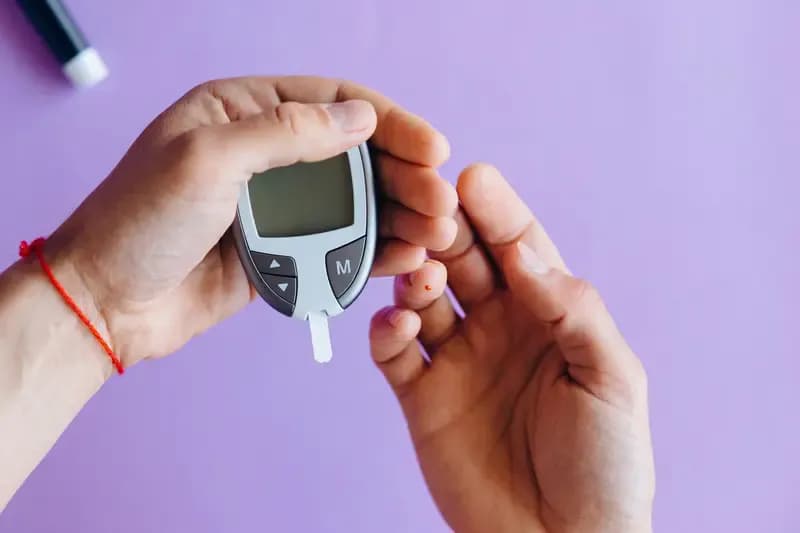
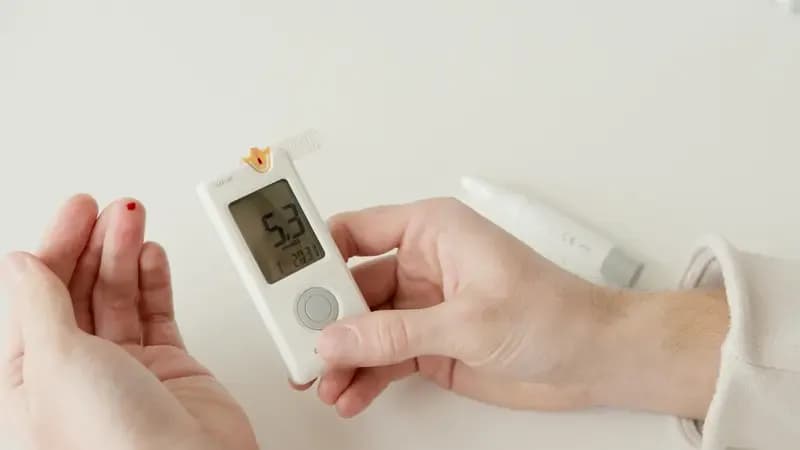
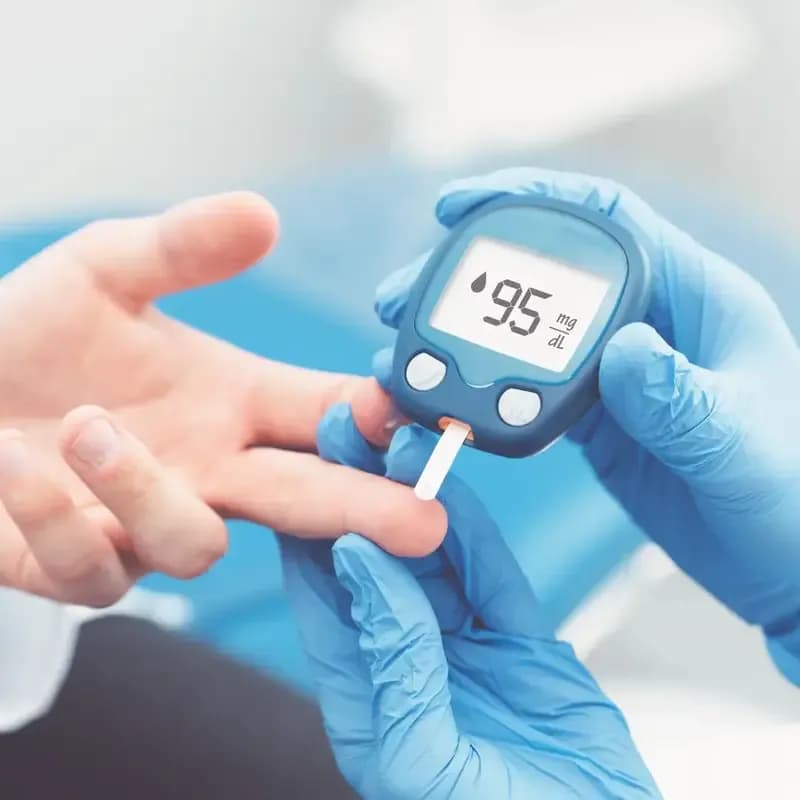
Managing blood sugar is crucial for overall health, but is relying only on symptoms enough to know whether it is high or low? Let’s understand the facts.Myth: I can always tell if my blood sugar is too high or low based on symptoms. Fact: While symptoms such as shakiness, sweating, or fatigue may indicate changes in blood sugar, not everyone experiences clear warning signs. High or low blood sugar can sometimes occur without noticeable symptoms, especially in individuals who have had diabetes for a long time. Regular monitoring is essential for accurate assessment.Myth: Feeling normal means my blood sugar must be within range. Fact: Many people feel normal even when their blood sugar levels are outside the healthy range. Relying only on physical feelings can be risky. Using a glucose monitor provides precise readings and helps prevent complications.Myth: I will know my sugar levels without testing if I follow a fixed routine. Fact: Although a regular lifestyle routine supports better blood sugar control, levels can still fluctuate. Consistent monitoring remains important, even when daily habits are stable.Reliable blood sugar management requires regular testing rather than depending solely on how you feel.General Advice: If you have any medical concerns, please consult your doctor as soon as possible. For assistance, CALL US NOW at: 07556603344

Dr. Saloni Kabra

Homoeopath • 7 yrs • Indore

296 views

When Sugar Turns Silent: The Hidden Side of Diabetes

When Sugar Turns Silent: The Hidden Side of Diabetes

There’s a reason diabetes is called a silent disease. Most people don’t even realise something’s wrong until years later — when the damage is already done. It doesn’t always start with the “classic” symptoms you hear about, like excessive thirst or frequent urination. Sometimes it’s just small things you barely notice: feeling unusually tired, a cut that takes longer to heal, or waking up with a dry mouth. Easy to ignore, right? That’s how it sneaks in quietly. What’s scarier is that it’s not just an “older person’s problem” anymore. These days, more and more young adults — even teenagers — are being diagnosed. Long hours at desks, ready-to-eat meals, stress, and late-night screen time are all quietly adding fuel to the fire. Here’s the thing: you don’t need to wait for symptoms. A simple blood sugar check once or twice a year can catch issues early. If diabetes runs in your family, it’s even more important. And no, you don’t need to turn your life upside down — small changes like swapping a fizzy drink for water, adding a 20-minute walk to your day, or getting decent sleep can go a long way. Diabetes doesn’t announce its arrival. But you can stay a step ahead — by listening to your body and taking action before it’s too late.

Dr. Anushri Jamdar

Diabetologist • 15 yrs • Jabalpur

49 views

Will Stopping Sugar Cure Diabetes? Myth vs Fact

🍬 Myth vs.

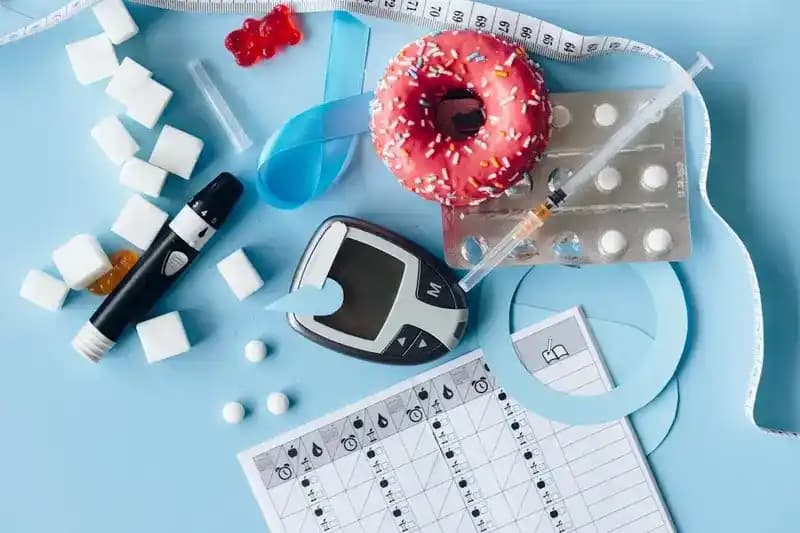
Myth vs Fact: Will Stopping Sugar Intake Cure Diabetes?There is a common belief that simply cutting out sugar can stop diabetes. Let’s understand the facts.Myth: Diabetes will go away if you stop eating sugar. Fact: Diabetes is a complex metabolic condition, not just a result of sugar intake. While reducing added sugars can help manage blood sugar levels, effective diabetes management requires a balanced approach that includes medication (when prescribed), regular physical activity, and a healthy diet. Stopping sugar alone does not cure diabetes.Myth: Only sugary foods impact blood sugar levels. Fact: Carbohydrates in various forms, such as bread, rice, pasta, and fruits, also affect blood sugar levels. Proper diabetes management involves balancing total carbohydrate intake, not just avoiding sweets.Myth: Cutting out sugar prevents Type 2 diabetes. Fact: Although reducing sugar intake supports a healthier lifestyle, other factors such as genetics, body weight, and physical activity levels also significantly influence diabetes risk. A comprehensive and balanced approach is essential.Diabetes management involves more than simply eliminating sugar. A structured and consistent plan is key to maintaining healthy blood sugar levels.General Advice: If you have any medical concerns, please consult your doctor as soon as possible. For assistance, CALL US NOW at: 07556603344

Dr. Anushri Jamdar

Diabetologist • 15 yrs • Jabalpur

46 views

Can Sugar Alone Cause Diabetes?

Myth vs.

Myth vs Fact: Diabetes and Sugar ConsumptionMyth: Diabetes only happens to those who eat too much sugar.Fact: Eating sugar alone does not directly cause diabetes. Diabetes is a complex condition influenced by several factors, including genetics, lifestyle, body weight, and overall diet. While excessive sugar intake can contribute to weight gain, which increases the risk of type 2 diabetes, it is not the sole cause of the disease.Key Takeaway: Consuming sugar in moderation does not automatically lead to diabetes. Maintaining a balanced diet, staying physically active, and keeping a healthy weight are essential steps in reducing the risk of type 2 diabetes. Awareness and informed choices play a vital role in prevention.General Advice: If you have any medical condition, please consult your nearest healthcare provider, hospital, or doctor as soon as possible. Contact: 7566003344

Frequently Asked Questions

Expert answers from our medical team

What are the early symptoms of type 2 diabetes?

Excessive thirst, frequent urination (especially at night), unexplained weight loss despite normal eating, blurred vision, fatigue, slow-healing cuts, and recurrent infections (urinary, fungal). Many people have no symptoms early on and are diagnosed only on a routine blood test — which is why screening matters if you have risk factors (family history, overweight, high BP, PCOS, past gestational diabetes).

What medications are used for type 2 diabetes?

Metformin remains the first-line medication for most newly diagnosed adults — cheap, effective, safe, and possibly protective against heart disease. Newer classes (SGLT2 inhibitors, GLP-1 agonists) are added when metformin alone doesn't achieve target, especially if you also have heart disease, kidney disease, or obesity. Insulin becomes necessary when HbA1c stays high despite two or three drugs, or in specific situations (surgery, pregnancy, severe hyperglycemia). The 'right' drug depends on your full picture, not just the sugar number.

Does needing insulin mean my diabetes is out of control?

No — insulin isn't a punishment or a sign you failed. Type 2 diabetes is a progressive disease; the pancreas gradually makes less insulin, and eventually about a third of long-standing patients need insulin injections to reach safe sugars. Modern insulin pens are essentially painless, and using insulin when you need it protects your eyes, kidneys, and heart. Avoiding it out of fear only leads to complications.

Can I eat rice and roti if I have type 2 diabetes?

Not zero — but portion size matters. For most Indians with type 2 diabetes, one small katori of rice or two small rotis per meal is fine; the key is what surrounds them — plenty of vegetables and dal or paneer or chicken to slow the sugar rise. Prefer hand-pounded rice or millets to polished white rice, and multigrain roti to maida. Fruit is OK in moderation (one small fruit at a time, not juice), avoid sugary drinks and sweets outside occasional festivals. A diabetes-trained dietitian can build a plan around what you actually eat.

How often should I get tested if I have diabetes?

Once diagnosed, quarterly HbA1c (or 6-monthly if stable and well-controlled), fasting and post-meal sugars at home if on insulin (or as your doctor advises), annual eye examination (dilated retinal check), annual urine test for kidney protein and blood creatinine, annual lipid profile, and annual foot examination. Blood pressure at every visit. This is the schedule that prevents complications — most damage is silent for years before symptoms appear.

Community Questions

Questions from our community members

Have a question about this topic?

Ask our medical community. Your question may help others with similar concerns.

No questions yet. Be the first to ask!

Find a Doctor for Type 2 Diabetes

Verified specialists across India

Dr. Ridhi Khanna

Dietitian & Nutritionist

14 yrs

Amritsar

Eat it Right
Joshi Colony, Amritsar, Punjab, 143001
₹500 consultation

Dr. Anushri Jamdar

Book Online

Diabetologist

15 yrs

Jabalpur

DiabetEASE Clinic
Wright Town, Jabalpur, Madhya Pradesh, 482002
Fee on request
EmailWhatsApp

Dr. Rahul Kumar

General Physician

14 yrs

Jodhpur

Clinic of Dr. Rahul Kumar
Section 7 Extension, Jodhpur, Rajasthan, 342003
₹300 consultation

Dr. Rupam Choudhury

Diabetologist

17 yrs

Guwahati

Apollo Sugar Clinics - Bhetapara
Bhetapara, Guwahati, Assam, 781038
₹800 consultation