
Introduction
Gaining weight requires a strategic approach that focuses on consuming more calories than your body burns. A well-designed diet chart for weight gain ensures that you are getting the right nutrients to support muscle growth and overall health. In this article, we will discuss the key components of a weight gain diet, including the role of macronutrients, high-calorie foods, and sample meal plans.
The Science Behind Weight Gain
Understanding the science behind weight gain is crucial for developing an effective diet chart. Weight gain occurs when you consistently consume more calories than your body expends. This caloric surplus provides the energy needed for muscle growth and fat storage.
To gain weight, you need to create a caloric surplus. This means eating more calories than your body needs for maintenance. The extra calories are used to build muscle mass and store energy.
Caloric Surplus:
Macronutrients, including proteins, carbohydrates, and fats, play a vital role in weight gain. Each macronutrient serves a specific function in the body and contributes to overall health.
Macronutrients:
Essential for muscle repair and growth, proteins should be a key component of your diet. Aim for 1.6 to 2.2 grams of protein per kilogram of body weight.
Protein:
Carbohydrates provide the energy needed for workouts and daily activities. They should make up 45-65% of your total caloric intake.
Carbohydrates:
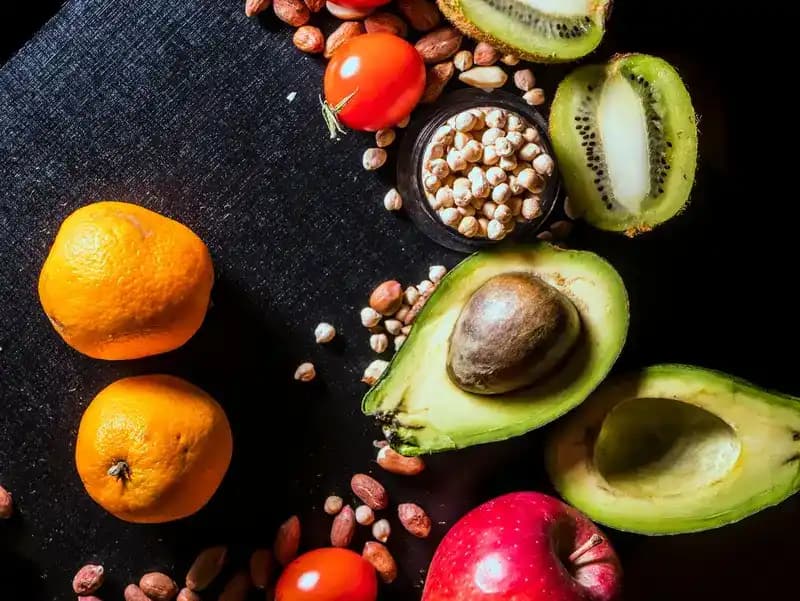
Fats are calorie-dense and provide essential fatty acids. Include healthy fats from sources like nuts, seeds, and avocados in your diet.
Fats:
Importance of a Balanced Diet for Weight Gain
A balanced diet is essential for healthy weight gain. It ensures that you get all the necessary nutrients to support bodily functions and promote muscle growth.
Focus on nutrient-dense foods that provide vitamins, minerals, and other essential nutrients. Avoid empty calories from junk food, which can lead to unhealthy weight gain.
Nutrient Density:
Eating more frequently can help you consume more calories. Aim for 5-6 smaller meals throughout the day rather than 3 large meals.
Meal Frequency:
Staying hydrated is important for overall health and aids in digestion. Drink plenty of water and consider adding calorie-rich beverages like smoothies and shakes.
Hydration:
High-Calorie Foods for Weight Gain
Incorporating high-calorie foods into your diet is crucial for creating a caloric surplus. Here are some nutrient-dense, high-calorie foods that can help you gain weight:
Almonds, walnuts, chia seeds, and flaxseeds are excellent sources of healthy fats and proteins. They can be added to meals or eaten as snacks.
Nuts and Seeds:
Rich in healthy fats, avocados are a versatile food that can be added to salads, sandwiches, or eaten on their own.
Avocados:
Whole milk, cheese, and yogurt provide a good mix of protein, fat, and carbohydrates. They are also rich in calcium and other essential nutrients.
Dairy Products:
Chicken, turkey, beef, and pork are high in protein and essential for muscle growth. Opt for lean cuts to avoid excess saturated fats.
Lean Meats:
Foods like brown rice, quinoa, oats, and whole wheat bread provide complex carbohydrates that offer sustained energy.
Whole Grains:
Sample Meal Plan for Weight Gain
A structured meal plan can help you stay on track with your weight gain goals. Here’s a sample meal plan to guide you:
Scrambled eggs with whole grain toast and avocado slices, a glass of whole milk.
Breakfast:
Greek yogurt with honey and mixed nuts.
Mid-Morning Snack:
Grilled chicken breast with quinoa and roasted vegetables.
Lunch:
Smoothie made with banana, peanut butter, and whole milk.
Afternoon Snack:
Baked salmon with sweet potato and steamed broccoli.
Dinner:
Cottage cheese with fresh fruit.
Evening Snack:
Role of Proteins in Weight Gain
Proteins are the building blocks of muscle, making them essential for weight gain. Consuming adequate protein supports muscle repair and growth, especially when combined with strength training exercises.
Include a variety of protein sources in your diet such as lean meats, fish, eggs, dairy products, legumes, and plant-based proteins like tofu and tempeh.
Protein Sources:
Distribute your protein intake evenly throughout the day. Aim to include a source of protein in every meal and snack.
Protein Timing:
Benefits of Healthy Fats
Healthy fats are an important part of a diet chart for weight gain. They are calorie-dense, providing more energy per gram than proteins or carbohydrates.
Incorporate fats from avocados, nuts, seeds, olive oil, and fatty fish like salmon. These fats support cell function, hormone production, and nutrient absorption.
Sources of Healthy Fats:
Adding healthy fats to your meals can increase the calorie content without significantly increasing the volume of food, making it easier to consume more calories.
Caloric Density:
Importance of Carbohydrates
Carbohydrates are the body primary energy source and are essential for weight gain. They fuel your workouts and daily activities, helping you maintain a caloric surplus.
Focus on complex carbohydrates like whole grains, legumes, fruits, and vegetables. These provide sustained energy and are rich in fiber, which aids digestion.
Complex Carbohydrates:
Consume carbohydrates before and after workouts to replenish glycogen stores and support muscle recovery. Including a source of carbohydrates in every meal ensures you have a steady supply of energy.
Carbohydrate Timing:
Hydration and Weight Gain
Staying hydrated is often overlooked but is crucial for overall health and weight gain. Proper hydration supports digestion, nutrient absorption, and muscle function.
Drink plenty of water throughout the day to stay hydrated. Aim for at least 8-10 glasses of water daily.
Water:
In addition to water, consider adding caloric beverages like smoothies, protein shakes, and milk. These can increase your calorie intake while keeping you hydrated.
Caloric Beverages:
Conclusion
Creating a diet chart for weight gain involves understanding the science behind weight gain, focusing on a balanced diet, and incorporating high-calorie, nutrient-dense foods. By following a structured meal plan and paying attention to your macronutrient intake, you can achieve healthy and sustainable weight gain. Remember to stay consistent, monitor your progress, and adjust your diet as needed to meet your weight gain goals.
About Zocvi
Zocvi connects patients with verified doctors and evidence-based health guidance. Visit zocvi.com or reach us on WhatsApp at +91-92724-57637.










Comments (0)