
Introduction
Indian cuisine is known for its rich flavors, aromatic spices, and diverse ingredients. While some traditional dishes can be high in calories and fat, many healthy Indian recipes are both nutritious and delicious. This comprehensive guide explores a variety of healthy Indian recipes that support a balanced diet and promote overall well-being. Whether you are looking to maintain a healthy lifestyle or explore new and exciting flavors, these recipes will help you enjoy the best of Indian cuisine without compromising on health.
Benefits of Healthy Indian Recipes
Healthy Indian recipes offer numerous benefits for maintaining a balanced diet and promoting overall health. Some of the key benefits include:
Indian cuisine incorporates a variety of vegetables, legumes, grains, and spices, providing a wide range of essential nutrients.
1. Rich in Nutrients
Many Indian dishes are rich in dietary fiber, which aids in digestion and helps regulate blood sugar levels.
2. High in Fiber
Healthy Indian recipes often include a balance of carbohydrates, proteins, and fats, ensuring a well-rounded meal.
3. Balanced Meals
Spices like turmeric, cumin, and coriander are not only flavorful but also have anti-inflammatory and antioxidant properties.
4. Use of Spices
Indian cuisine offers a variety of vegetarian and vegan options, making it easy to follow a plant-based diet.
5. Plant-Based Options
Top Healthy Indian Recipes
Here are some nutritious and delicious Indian recipes that you can easily prepare at home:
Ingredients:
- 2 cups spinach
- 200g paneer (cottage cheese)
- 1 onion, finely chopped
- 2 tomatoes, pureed
- 2 garlic cloves, minced
- 1-inch piece of ginger, grated
- 1 tsp cumin seeds
- 1 tsp garam masala
- 1 tsp turmeric powder
- 1 tsp coriander powder
- Salt to taste
- 1 tbsp oil
Instructions:
1. Blanch the spinach and blend it into a smooth puree.
2. Heat oil in a pan and add cumin seeds.
3. Add the chopped onion, garlic, and ginger, and sauté until golden brown.
4. Add the tomato puree and cook until the oil separates.
5. Add the spinach puree, turmeric powder, coriander powder, garam masala, and salt. Cook for 5-7 minutes.
6. Add the paneer cubes and cook for another 5 minutes.
7. Serve hot with whole wheat roti or brown rice.
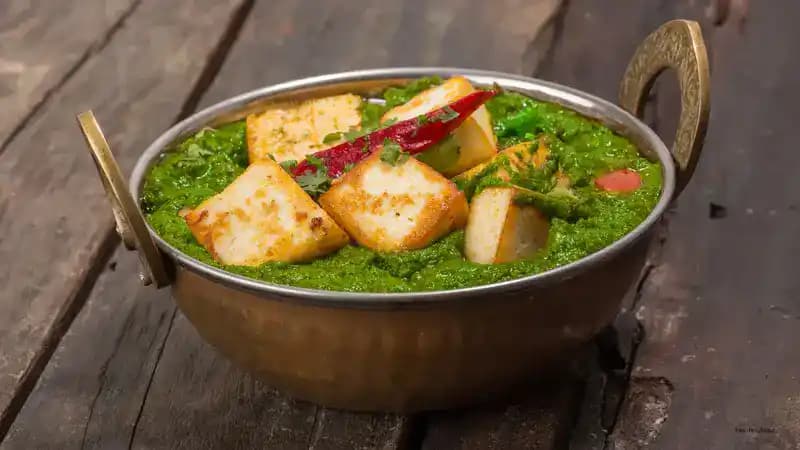
1. Palak Paneer
Ingredients:
- 1 cup chickpeas, soaked overnight
- 1 onion, finely chopped
- 2 tomatoes, pureed
- 2 garlic cloves, minced
- 1-inch piece of ginger, grated
- 1 tsp cumin seeds
- 1 tsp garam masala
- 1 tsp turmeric powder
- 1 tsp coriander powder
- 1 tsp cumin powder
- Salt to taste
- 1 tbsp oil
- Fresh coriander leaves for garnish
Instructions:
1. Cook the soaked chickpeas in a pressure cooker until soft.
2. Heat oil in a pan and add cumin seeds.
3. Add the chopped onion, garlic, and ginger, and sauté until golden brown.
4. Add the tomato puree and cook until the oil separates.
5. Add turmeric powder, coriander powder, cumin powder, and salt. Cook for 2 minutes.
6. Add the cooked chickpeas and some water. Simmer for 10-15 minutes.
7. Add garam masala and mix well.
8. Garnish with fresh coriander leaves and serve hot with brown rice or quinoa.
2. Chana Masala
Ingredients:
- 1 cup quinoa, rinsed
- 1 onion, finely chopped
- 1 carrot, diced
- 1 cup green peas
- 1 bell pepper, diced
- 2 garlic cloves, minced
- 1 tsp cumin seeds
- 1 tsp garam masala
- 1 tsp turmeric powder
- 1 tsp coriander powder
- Salt to taste
- 1 tbsp oil
- Fresh coriander leaves for garnish
Instructions:
1. Cook the quinoa according to package instructions.
2. Heat oil in a pan and add cumin seeds.
3. Add the chopped onion and garlic, and sauté until golden brown.
4. Add the diced carrot, green peas, and bell pepper, and cook for 5-7 minutes.
5. Add turmeric powder, coriander powder, garam masala, and salt. Mix well.
6. Add the cooked quinoa and mix everything together.
7. Garnish with fresh coriander leaves and serve hot.
3. Quinoa Vegetable Pulao
Ingredients:
- 1 large cauliflower, cut into florets
- 1 cup Greek yogurt
- 2 tbsp lemon juice
- 1 tsp turmeric powder
- 1 tsp garam masala
- 1 tsp cumin powder
- 1 tsp coriander powder
- 1 tsp smoked paprika
- Salt to taste
- Fresh coriander leaves for garnish
Instructions:
1. In a bowl, mix Greek yogurt, lemon juice, turmeric powder, garam masala, cumin powder, coriander powder, smoked paprika, and salt.
2. Add the cauliflower florets and coat them well with the marinade.
3. Let it marinate for at least 1 hour.
4. Preheat the oven to 400°F (200°C).
5. Place the marinated cauliflower florets on a baking sheet lined with parchment paper.
6. Bake for 25-30 minutes or until the cauliflower is tender and golden brown.
7. Garnish with fresh coriander leaves and serve hot.
4. Tandoori Cauliflower
Ingredients:
- 1 cup moong dal (split green gram)
- 1 cup brown rice
- 1 onion, finely chopped
- 1 tomato, chopped
- 1 carrot, diced
- 1 cup green peas
- 2 garlic cloves, minced
- 1 tsp cumin seeds
- 1 tsp turmeric powder
- 1 tsp coriander powder
- Salt to taste
- 1 tbsp oil
- Fresh coriander leaves for garnish
Instructions:
1. Rinse the moong dal and brown rice thoroughly.
2. Heat oil in a pressure cooker and add cumin seeds.
3. Add the chopped onion and garlic, and sauté until golden brown.
4. Add the chopped tomato, diced carrot, and green peas, and cook for 5 minutes.
5. Add turmeric powder, coriander powder, and salt. Mix well.
6. Add the rinsed moong dal and brown rice. Mix everything together.
7. Add water (about 4 cups) and pressure cook for 3-4 whistles.
8. Let the pressure release naturally. Open the cooker and mix the khichdi.
9. Garnish with fresh coriander leaves and serve hot.
5. Moong Dal Khichdi
Tips for Healthy Indian Cooking
To ensure your Indian meals are as healthy as possible, follow these cooking tips:
Opt for oils with high smoke points and healthy fats, such as olive oil, coconut oil, and mustard oil.
1. Use Healthy Oils
Minimize the use of salt and sugar in your recipes. Use natural sweeteners and spices to enhance flavor.
2. Reduce Salt and Sugar
Use whole grains like brown rice, quinoa, and whole wheat flour instead of refined grains.
3. Incorporate Whole Grains
Include a variety of vegetables in your meals to boost fiber and nutrient content.
4. Load Up on Vegetables
Be mindful of portion sizes to avoid overeating and maintain a balanced diet.
5. Mind the Portions
Conclusion
Healthy Indian recipes offer a delicious and nutritious way to enjoy the rich flavors of Indian cuisine while maintaining a balanced diet. By using fresh ingredients, healthy cooking techniques, and mindful portion control, you can create meals that are both satisfying and good for you. Embrace these healthy Indian recipes and enjoy the benefits of a wholesome diet that supports overall well-being.



Comments (0)