

Introduction
Managing diabetes effectively requires a strategic combination of diet, exercise, and medical care. Among these, diet plays the most crucial role. India has become the diabetes capital of the world with over 74.2 million diabetic patients as of 2021, as per the International Diabetes Federation (IDF), and this number is projected to reach 93 million by 2030. A tailored Indian diet chart for diabetic patients is essential not just for blood sugar control but also for preventing complications such as cardiovascular disease, neuropathy, and kidney failure. This blog serves as a comprehensive guide, curated with expert insights, real-world case studies, and evidence-backed strategies to help you or your loved ones thrive with diabetes.
Why Diet Matters in Diabetes Management
A diabetic's diet isn’t about deprivation—it's about smart choices. Clinical studies from the Indian Journal of Endocrinology and Metabolism reveal that individuals who follow a structured meal plan can reduce HbA1c levels by up to 1.5%. Maintaining a healthy weight, choosing low glycemic index (GI) foods, and consuming meals at regular intervals can drastically reduce the risk of long-term complications. Balanced meals with appropriate carbohydrate control can ensure that blood sugar levels remain stable throughout the day. Moreover, a consistent routine helps regulate insulin sensitivity and metabolic health.
Core Principles of a Diabetes-Friendly Indian Diet
The key to building an effective diabetic diet plan lies in understanding how different foods affect blood sugar levels. Below are core principles that every diabetic patient in India should follow:
- Low Glycemic Index (GI) Foods: Opt for foods like brown rice, whole wheat roti, barley (jau), oats, and millets like ragi and jowar to prevent sudden spikes in blood glucose.
- Moderation and Portion Control: Avoid large servings. Even healthy foods can cause issues if eaten in excess.
- Balanced Macronutrients: Include complex carbohydrates, lean proteins (dal, paneer, eggs), healthy fats (nuts, seeds, and oils), and fiber-rich vegetables like spinach, bitter gourd, and broccoli.
- Meal Timing: Eating every 3-4 hours prevents hypoglycemia and regulates glucose levels.
- Hydration: Drink adequate water. Dehydration can elevate blood sugar levels.
Sample Indian Diet Chart for Diabetics (Vegetarian)
Early Morning (6:30 - 7:00 AM):
- 1 glass of warm water with fenugreek seeds
- 5 soaked almonds
- 2 moong dal chillas with mint chutney
- 1 cup unsweetened green tea
- 1 bowl of papaya or guava
- Buttermilk (unsalted)
- 1 bowl brown rice or 2 multigrain rotis
- 1 cup mixed vegetable curry (low oil)
- 1 bowl moong dal
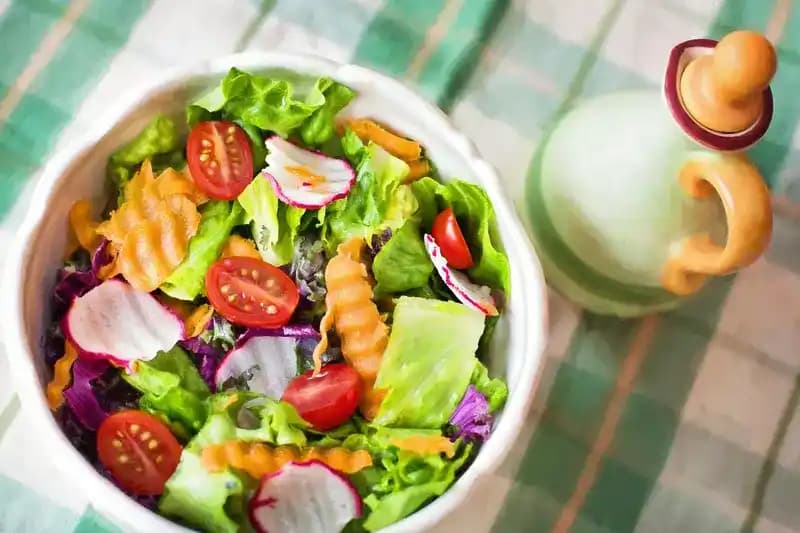
- Salad (cucumber, tomato, spinach)
- Roasted chana or fox nuts (makhana)
- 1 cup herbal tea (sugar-free)
- 2 bajra rotis with lauki curry
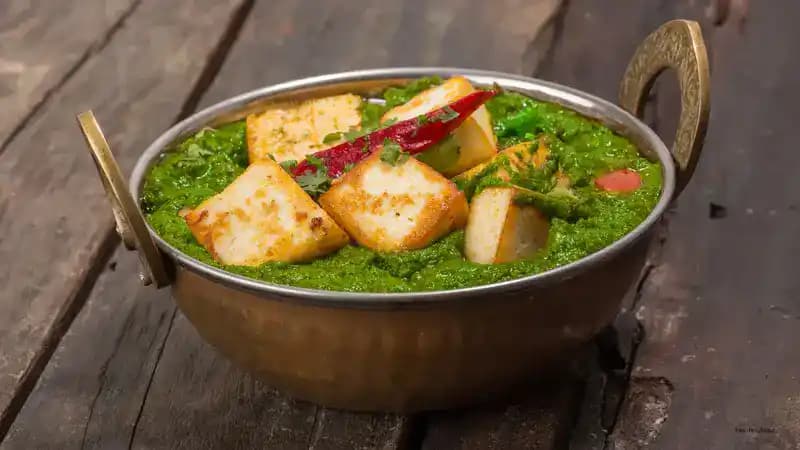
- 1 small bowl low-fat paneer curry
- Mixed vegetable soup
- 1 cup warm turmeric milk (low-fat, no sugar)
Real-Life Impact: A Case Study
Meet Priya, a 52-year-old schoolteacher from Pune diagnosed with Type 2 diabetes in 2022. Initially overwhelmed, Priya adopted a medically supervised Indian diet plan focusing on whole grains, legumes, and portion control. With the help of a trained dietician and Zocvi’s resources, Priya reduced her HbA1c from 8.2% to 6.4% in just 6 months. Her case highlights the transformative power of nutritional choices combined with expert guidance.
Foods to Include and Avoid in a Diabetic Diet
Foods to Include:
- Whole grains: Oats, brown rice, whole wheat, millets
- Vegetables: Bitter gourd, spinach, broccoli, tomatoes
- Fruits (Low GI): Berries, apples, guava, pear
- Protein: Lentils, legumes, tofu, fish, egg whites
- Fats: Avocado, flaxseed, walnuts, olive oil
- Refined carbs: White bread, maida, sugary cereals
- Sweets and desserts: Rasgulla, gulab jamun, cakes
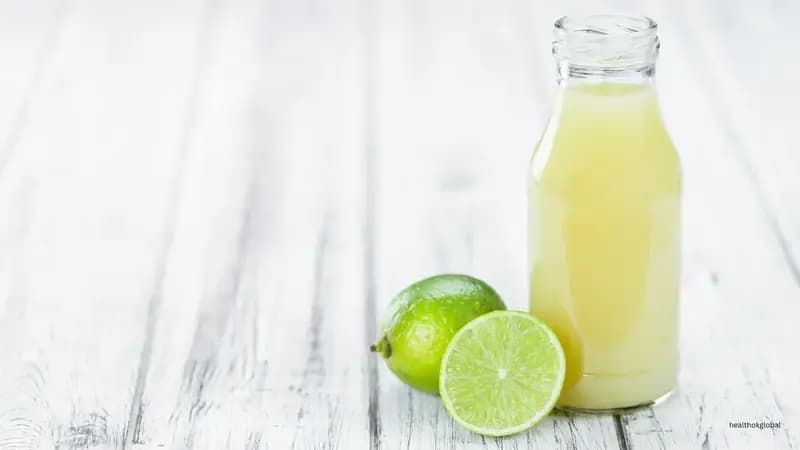
- Fruit juices: Even natural ones spike glucose quickly
- Fried snacks: Samosas, pakoras, chips
- Processed meats and high-fat dairy
For More Guidance on Healthy Eating
If you're looking for structured dietary advice beyond diabetes, visit our complete guide on Healthy Diet Chart for Indians to plan well-rounded meals for the whole family.
Need Help with Meal Preparation?
Diabetes management is easier when someone helps prepare meals tailored to your needs. Consider Hiring a Cook for Home who can follow diabetic-friendly recipes, saving you time and effort.
About Zocvi
Zocvi connects patients with verified doctors and evidence-based health guidance. Visit zocvi.com or reach us on WhatsApp at +91-92724-57637.
Related Articles You Might Like
Managing diabetes also means understanding co-occurring health issues. Read our expert-backed guides on:
Follow Zocvi
FAQs About the Indian Diet for Diabetics
Whole grains like brown rice, jowar, bajra, oats, and whole wheat are ideal due to their low glycemic index and high fiber content.
What are the best grains for diabetics in India?
Yes, but opt for low-GI fruits such as guava, apples, pears, and jamun. Limit portions and avoid fruit juices or high-sugar tropical fruits like mangoes.
Can diabetics eat fruits?
Low-fat dairy like skimmed milk, curd, paneer, and buttermilk are safe in moderation and offer a good source of protein and calcium.
Is dairy safe for diabetics?
Opt for high-fiber snacks like roasted chana, foxnuts, a handful of nuts, or Greek yogurt with flaxseed to keep cravings at bay.
What should diabetics eat when they feel hungry between meals?
Cold-pressed oils like olive oil, mustard oil, or groundnut oil are recommended due to their healthy unsaturated fat profile.
Which oils are best for cooking in a diabetic diet?
Eating every 3-4 hours (including small snacks) helps maintain stable blood sugar and prevents insulin spikes or crashes.
How often should diabetic patients eat?
It depends. Intermittent fasting should be done under medical supervision. Some diabetics benefit, while others may face hypoglycemia risks.
Can diabetic patients follow intermittent fasting?
About Zocvi
Zocvi connects patients with verified doctors and evidence-based health guidance. Visit zocvi.com or reach us on WhatsApp at +91-92724-57637.


Comments (0)