
Overview
Disha for Diabetes Awareness: Diabetes continues to impact millions across India. In this second video, Dr. Suruchi Mandrekar, a leading diabetologist, shares more important insights on managing and understanding diabetes. Please watch.


Diabetes Talk | Dr. Suruchi | Ep 2
Disha for Diabetes Awareness: Diabetes continues to impact millions across India. In this second video, Dr. Suruchi Mandrekar, a leading diabetologist, shares more important insights on managing and understanding diabetes. Please watch.
Have a question? Ask the author directly.
Ask Dr. Suruchi Mandrekar directly. Your question may help others with similar concerns.
No questions yet. Be the first to ask!

Disha for Diabetes Awareness: Diabetes is a rapidly growing health concern in India. In this third video, Dr. Suruchi Mandrekar, a leading diabetologist, shares further insights on understanding and managing diabetes. Please watch.
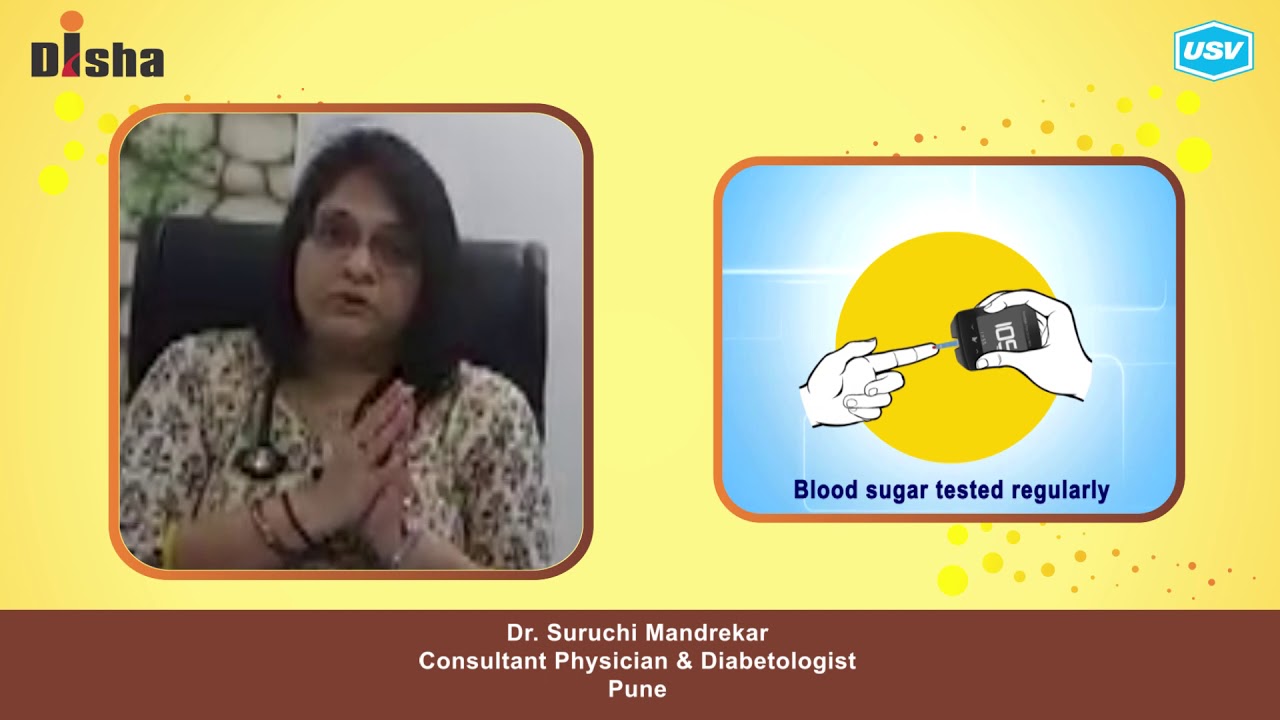
Disha for Diabetes Awareness: Diabetes is one of the most rapidly growing health concerns in India. In this first video, Dr. Suruchi Mandrekar, a leading diabetologist, shares key insights about diabetes. Watch to learn more.

Dr. Suruchi Mandrekar, Consultant - Internal Medicine, Manipal Hospital Baner, Pune, explains fatigue by sharing its signs and causes in this informative video. Watch the complete video to learn the ways to overcome fatigue and when to visit a specialist. Visit Our Hospital Website: https://www.manipalhospitals.com/baner/ Visit Our Doctors: https://www.manipalhospitals.com/bane... Contact us @ https://www.manipalhospitals.com/bane...
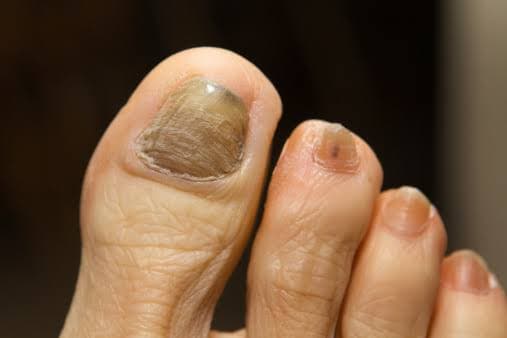
A black toenail in someone with diabetes isn't always minor. Learn the potential causes, why diabetes increases concern, and when to consult a healthcare professional.

Diabetes, especially type 2, can develop gradually with subtle symptoms. Recognizing patterns of thirst, urination, fatigue, and other changes is key to early detection.
Disha for Diabetes Awareness: Diabetes is one of the most rapidly growing health concerns in India. In this first video, Dr. Suruchi Mandrekar, a leading diabetologist, shares key insights about diabetes. Watch to learn more.

Tips for Managing Diabetes and Staying HealthyTake control of your diabetes and prioritize your health with NIRMAL AYURVED. Follow these essential tips to manage diabetes effectively and lead a healthy lifestyle. Start by adopting a healthy eating plan, staying physically active, and monitoring your blood sugar levels regularly. Don't forget to keep up with regular check-ups to ensure your diabetes is well-managed. With NIRMAL AYURVED's expertise in Ayurvedic medicine, you can explore holistic approaches to managing diabetes and improving your overall well-being. Take charge of your health today and embrace a healthier future!

Apart from many other causes, stress is one of the important factors of diabetes in many people. Stress increases the cortisol levels and in turn, it increases the blood sugar level. Owing to this, a person who is in stress for a prolonged period develops the symptoms of diabetes. Talk to Dr. Prashant Jain (MD. Ayu.) on how to control your stress levels now and manage diabetes.Get a free stress evaluation on: www.nirmalayurved.co.in/aatman

Myth vs Fact: Will Stopping Sugar Intake Cure Diabetes?There is a common belief that simply cutting out sugar can stop diabetes. Let’s understand the facts.Myth: Diabetes will go away if you stop eating sugar. Fact: Diabetes is a complex metabolic condition, not just a result of sugar intake. While reducing added sugars can help manage blood sugar levels, effective diabetes management requires a balanced approach that includes medication (when prescribed), regular physical activity, and a healthy diet. Stopping sugar alone does not cure diabetes.Myth: Only sugary foods impact blood sugar levels. Fact: Carbohydrates in various forms, such as bread, rice, pasta, and fruits, also affect blood sugar levels. Proper diabetes management involves balancing total carbohydrate intake, not just avoiding sweets.Myth: Cutting out sugar prevents Type 2 diabetes. Fact: Although reducing sugar intake supports a healthier lifestyle, other factors such as genetics, body weight, and physical activity levels also significantly influence diabetes risk. A comprehensive and balanced approach is essential.Diabetes management involves more than simply eliminating sugar. A structured and consistent plan is key to maintaining healthy blood sugar levels.General Advice: If you have any medical concerns, please consult your doctor as soon as possible. For assistance, CALL US NOW at: 07556603344



Comments (0)