

Introduction
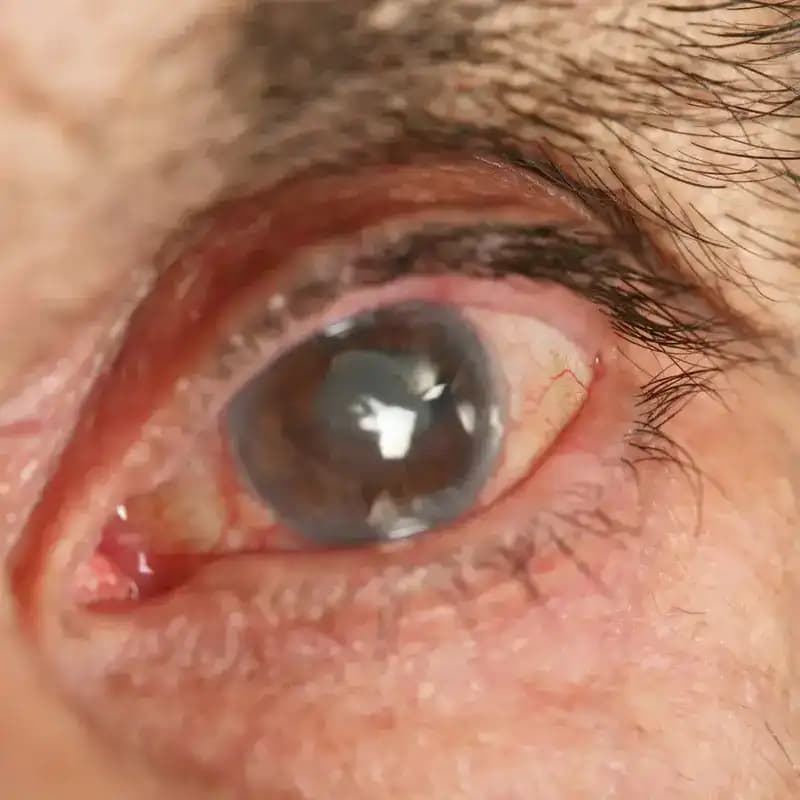
Posterior subcapsular cataract is a common eye condition that affects the lens of the eye, leading to vision impairment. Let's delve into the causes, symptoms, and treatment options for this type of cataract to gain a better understanding of this condition.
Causes of Posterior Subcapsular Cataract
Posterior subcapsular cataracts typically develop due to several factors, including:
Aging is the primary risk factor for posterior subcapsular cataracts. As individuals grow older, changes occur in the proteins within the lens of the eye, leading to clouding and opacity, characteristic of cataracts.
Aging:
Excessive exposure to ultraviolet (UV) radiation from sunlight can increase the risk of developing posterior subcapsular cataracts. It's essential to protect your eyes from harmful UV rays by wearing sunglasses and hats when outdoors.
Prolonged Sun Exposure:
Certain medical conditions such as diabetes, hypertension, and corticosteroid use are associated with an increased risk of developing posterior subcapsular cataracts. Managing these underlying conditions may help reduce the risk of cataract formation.
Medical Conditions:
Symptoms of Posterior Subcapsular Cataract
Posterior subcapsular cataracts can cause various visual disturbances, including:
Blurred vision is a common symptom of posterior subcapsular cataracts, making it difficult to see objects clearly, especially at close range.
Blurred Vision:
Individuals with posterior subcapsular cataracts may experience increased sensitivity to glare, particularly in bright sunlight or when driving at night.
Glare Sensitivity:
The presence of halos or rings around lights, particularly at night, is another symptom of posterior subcapsular cataracts, which can interfere with vision and activities such as driving.
Halo Effect:
Decreased contrast sensitivity, or difficulty distinguishing between shades of color and contrast, may occur with posterior subcapsular cataracts, impacting visual perception.
Decreased Contrast Sensitivity:
Treatment Options for Posterior Subcapsular Cataract
While there is no non-surgical treatment to reverse posterior subcapsular cataracts, several options can help manage symptoms and improve vision:
Prescription eyeglasses or contact lenses can help correct refractive errors caused by posterior subcapsular cataracts, improving visual acuity and clarity.
Prescription Eyeglasses or Contact Lenses:
Cataract surgery is the most effective treatment for posterior subcapsular cataracts, involving the removal of the clouded lens and replacement with an artificial intraocular lens (IOL). Modern cataract surgery techniques, such as phacoemulsification, are minimally invasive and offer rapid recovery with excellent outcomes.
Cataract Surgery:
Adopting healthy lifestyle habits such as wearing sunglasses to protect against UV radiation, maintaining a balanced diet rich in antioxidants, and managing underlying medical conditions can help slow the progression of posterior subcapsular cataracts and preserve vision.
Lifestyle Modifications:
Preventive Measures for Posterior Subcapsular Cataract
While some risk factors for posterior subcapsular cataracts, such as age and genetics, cannot be modified, there are steps individuals can take to reduce their risk:
Wearing sunglasses that block 100% of UV radiation when outdoors can help protect the eyes from damage caused by sunlight and reduce the risk of cataract formation.
Wear Sunglasses:
Smoking is a significant risk factor for cataracts, including posterior subcapsular cataracts. Quitting smoking can help reduce the risk and slow the progression of cataracts.
Quit Smoking:
Managing underlying medical conditions such as diabetes and hypertension through regular medical care, medication adherence, and lifestyle modifications can help reduce the risk of developing posterior subcapsular cataracts.
Manage Chronic Conditions:
Regular eye examinations by an optometrist or ophthalmologist can help detect cataracts and other eye conditions early, allowing for prompt treatment and intervention to preserve vision.
Attend Regular Eye Exams:
Conclusion
Posterior subcapsular cataract is a common age-related eye condition that can significantly impact vision and quality of life. Understanding the causes, symptoms, and treatment options for this condition is essential for early detection and management. By adopting preventive measures, attending regular eye exams, and seeking timely treatment when necessary, individuals can preserve their vision and maintain optimal eye health as they age. If you experience any symptoms of posterior subcapsular cataract, consult with an eye care professional for evaluation and personalized treatment recommendations.
About Zocvi
Zocvi connects patients with verified doctors and evidence-based health guidance. Visit zocvi.com or reach us on WhatsApp at +91-92724-57637.







Comments (0)