Understanding and Managing Blood Sugar Fasting PP

Understanding and Managing Blood Sugar Fasting PP

Overview

Blood sugar levels play a crucial role in overall health, especially for individuals managing conditions like diabetes.

Introduction

Blood sugar levels play a crucial role in overall health, especially for individuals managing conditions like diabetes. Understanding the significance of fasting and postprandial (PP) blood sugar levels is essential for effective management and prevention of complications. Let's delve into what blood sugar fasting PP entails and how to manage it effectively.

What are Blood Sugar Fasting and PP Levels?

Blood sugar fasting refers to the glucose level in the blood after an overnight fast, typically before breakfast. It provides a baseline measurement of how the body processes glucose in the absence of food intake. On the other hand, postprandial (PP) blood sugar levels are measured after consuming a meal, usually two hours afterward. PP levels indicate how the body responds to food and regulates glucose after digestion.

Significance of Blood Sugar Monitoring

Monitoring blood sugar levels, both fasting and PP, is vital for individuals with diabetes to prevent hyperglycemia (high blood sugar) or hypoglycemia (low blood sugar) episodes. Consistently high blood sugar levels can lead to diabetic complications such as cardiovascular disease, neuropathy, and kidney damage. Conversely, low blood sugar levels can cause dizziness, weakness, and even loss of consciousness if left untreated.

Factors Affecting Blood Sugar Levels

Several factors can influence blood sugar fasting PP levels, including diet, physical activity, medication, stress, and underlying health conditions. Carbohydrate-rich foods, sugary beverages, and large meals can cause postprandial spikes in blood sugar levels. Similarly, inadequate insulin production or insulin resistance can lead to elevated fasting blood sugar levels.

Managing Blood Sugar Levels

Effective management of blood sugar levels involves a combination of lifestyle modifications, medication, and regular monitoring. Here are some strategies to help manage blood sugar fasting PP effectively:
Follow a balanced diet rich in whole grains, fruits, vegetables, lean proteins, and healthy fats. Monitor carbohydrate intake and choose low-glycemic index foods to minimize blood sugar spikes.

Healthy Eating:

Engage in regular physical activity such as walking, jogging, swimming, or cycling to improve insulin sensitivity and regulate blood sugar levels.

Regular Exercise:

Take prescribed medications, such as oral antidiabetic drugs or insulin injections, as directed by healthcare professionals to control blood sugar levels.

Medication Adherence:

Practice stress-reducing techniques such as deep breathing, meditation, yoga, or mindfulness to lower cortisol levels and prevent stress-induced blood sugar fluctuations.

Stress Management:

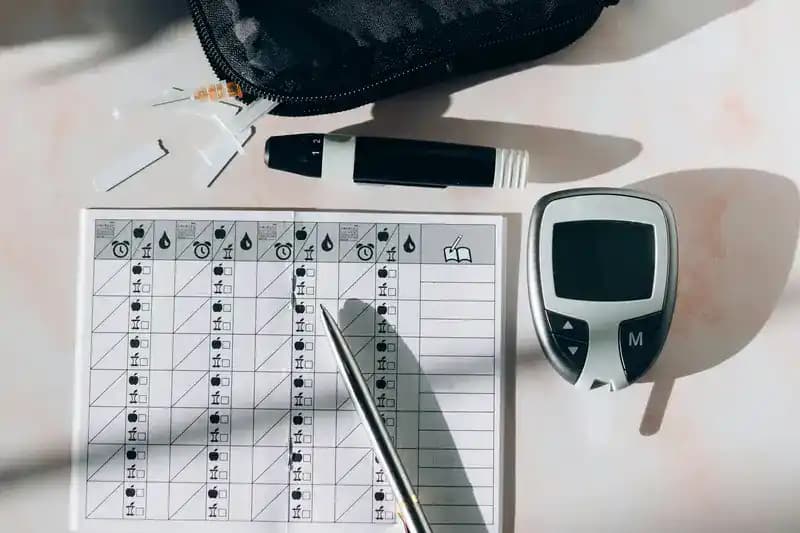
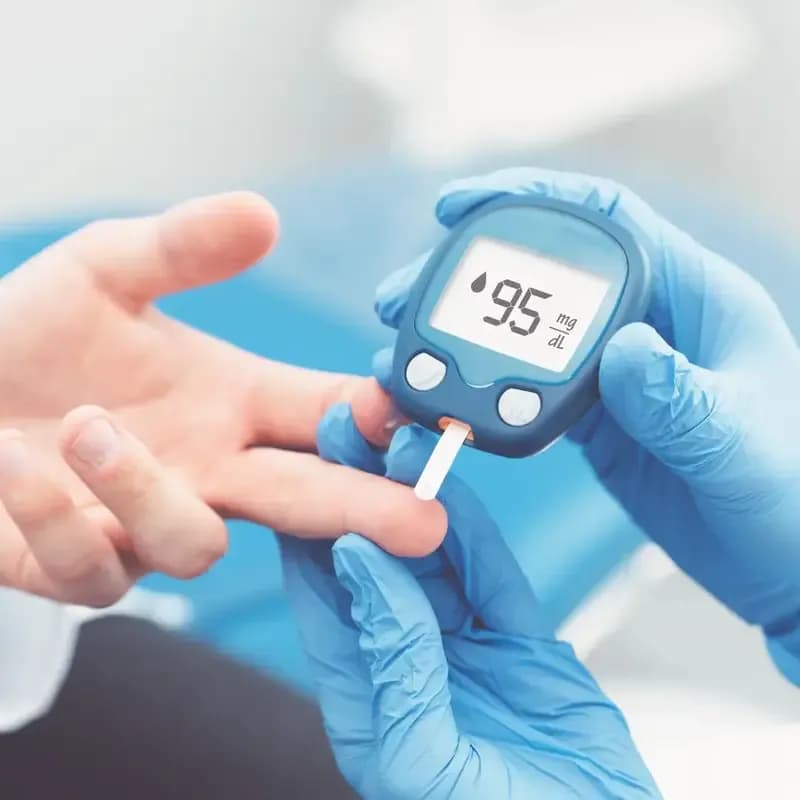
Regularly monitor blood sugar levels using a glucometer to track fasting and postprandial readings. Keep a record of results to identify patterns and make necessary adjustments to treatment plans.

Monitor Blood Sugar:

Conclusion

In conclusion, understanding and managing blood sugar fasting PP levels are essential for individuals with diabetes to prevent complications and maintain overall health. By adopting healthy lifestyle habits, adhering to medication regimens, and monitoring blood sugar levels regularly, individuals can achieve optimal blood sugar control and minimize the risk of diabetic complications. Consultation with healthcare professionals is crucial for personalized management plans and guidance tailored to individual needs.


Frequently Asked Questions

What are normal fasting and PP blood sugar levels?

Fasting (8 hours no food): normal under 100 mg/dL, prediabetes 100-125, diabetes 126+. PP (2 hours after a meal): normal under 140, prediabetes 140-199, diabetes 200+. For diagnosed diabetics, doctor-set targets are usually fasting under 130, PP under 180. HbA1c gives the 3-month average; single readings are just snapshots.

Why is my PP sugar high but fasting normal?

Classic early-diabetes pattern. Your pancreas can still handle overnight, but struggles with the post-meal glucose surge — often the first sign of insulin resistance or early type 2 diabetes. Common in prediabetes and PCOS. What helps: smaller portions of refined carbs, protein at every meal, and a 10-minute walk after meals. Get HbA1c tested to catch the pattern before it becomes full diabetes.

How do I test fasting and PP sugar correctly?

Fasting: no food or drink except water for 8-10 hours; test first thing in the morning. PP: start timing from your first bite of a meal; test at exactly 2 hours. Same finger, same meter for consistency. Log the reading, the meal you ate, and time — patterns matter more than single numbers. Home glucometer is fine for tracking; lab confirms diagnosis.

Questions About This Article

Have a question? Ask the author directly.

Have a question about this article?

Ask Zocvi Editorial directly. Your question may help others with similar concerns.

Q:1 answer
Q:1 answer
Q:1 answer

Comments (0)

Found this helpful? Share it!

LinkedInWhatsApp

More from Zocvi Editorial

Other Articles You May Like

Dr. Saloni Kabra

Homoeopath • 7 yrs • Indore

296 views

When Sugar Turns Silent: The Hidden Side of Diabetes

When Sugar Turns Silent: The Hidden Side of Diabetes

There’s a reason diabetes is called a silent disease. Most people don’t even realise something’s wrong until years later — when the damage is already done. It doesn’t always start with the “classic” symptoms you hear about, like excessive thirst or frequent urination. Sometimes it’s just small things you barely notice: feeling unusually tired, a cut that takes longer to heal, or waking up with a dry mouth. Easy to ignore, right? That’s how it sneaks in quietly. What’s scarier is that it’s not just an “older person’s problem” anymore. These days, more and more young adults — even teenagers — are being diagnosed. Long hours at desks, ready-to-eat meals, stress, and late-night screen time are all quietly adding fuel to the fire. Here’s the thing: you don’t need to wait for symptoms. A simple blood sugar check once or twice a year can catch issues early. If diabetes runs in your family, it’s even more important. And no, you don’t need to turn your life upside down — small changes like swapping a fizzy drink for water, adding a 20-minute walk to your day, or getting decent sleep can go a long way. Diabetes doesn’t announce its arrival. But you can stay a step ahead — by listening to your body and taking action before it’s too late.

Related Topics

Find a Doctor for Diabetes Control

Verified specialists across India

Dr. Anushri Jamdar

Book Online

Diabetologist

15 yrs

Jabalpur

DiabetEASE Clinic
Wright Town, Jabalpur, Madhya Pradesh, 482002
Fee on request
EmailWhatsApp

Dr. Suruchi Mandrekar

Book Online

Diabetologist

30 yrs

Pune

Manipal Hospital
Baner, Pune, Maharashtra, 411045
₹1000 consultation
EmailWhatsApp

Dr. Ashu Arora

Diabetologist

Faridabad

Asian Institute of Medical Sciences
Block B, Faridabad, Haryana, 121006
Fee on request

Dr. Rakesh Mishra

Diabetologist

19 yrs

Ranchi

Maatrichhaya Mahila Hospital
Rock Garden, Ranchi, Jharkhand, 834008
₹500 consultation