
Introduction
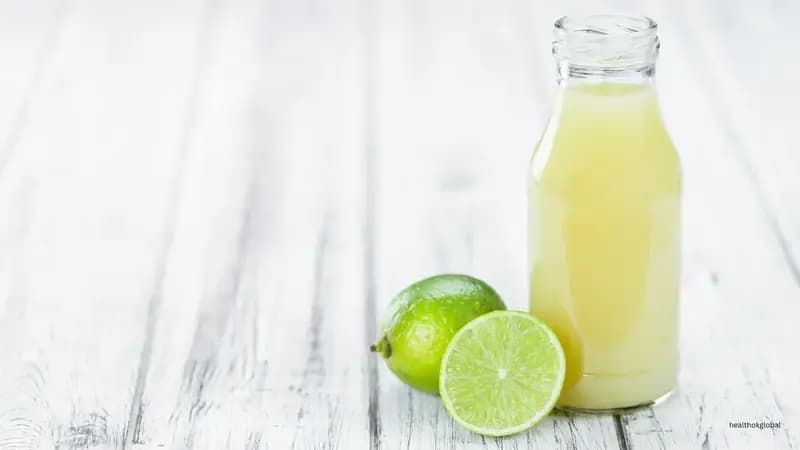
Sweet lime juice, popularly known as mosambi juice in India, is much more than a refreshing summer beverage. Derived from Citrus limetta, it boasts a delightful sweet-tangy flavor and is packed with health-boosting nutrients. Often consumed to beat dehydration, sweet lime juice is also a powerhouse of vitamins, antioxidants, and essential minerals. This comprehensive guide delves into the top 8 health benefits of sweet lime juice, its rich nutritional profile, and how it can be seamlessly integrated into your daily diet to support overall wellness and disease prevention.
Nutritional Profile of Sweet Lime Juice
According to the USDA and National Institute of Nutrition (NIN) India, sweet lime juice is low in calories yet dense in micro-nutrients. Here's what makes it so valuable for health:
Sweet lime juice is especially high in vitamin C, a potent antioxidant, and also contains vitamins B1 (thiamine), B2 (riboflavin), B3 (niacin), and small amounts of vitamin A—all essential for immune health, metabolism, and skin repair.
Vitamins
Potassium, calcium, magnesium, and phosphorus are present in sweet lime juice. Potassium supports heart and kidney function, while calcium and magnesium maintain bone health and nerve transmission.
Minerals
Though juicing reduces fiber content, freshly squeezed sweet lime juice may still contain some soluble fiber, aiding digestion and promoting gut health.
Dietary Fiber
Mosambi juice contains natural fruit sugars, mainly fructose, and citric acid, which can help boost energy and improve digestion.
Natural Sugars & Citric Acid
Antioxidants such as limonoids and flavonoids reduce oxidative stress, lower inflammation, and are linked to cancer prevention.
Antioxidants
Top 8 Scientifically-Backed Health Benefits of Sweet Lime Juice
Here are eight key health benefits that make sweet lime juice a recommended dietary addition by nutritionists and Ayurvedic experts alike:
A single glass of sweet lime juice can provide up to 70% of your daily vitamin C requirement. This helps enhance white blood cell function, speeds up recovery from infections, and prevents common colds and flu.
1. Boosts Immune System Function
Mosambi juice is commonly used in India during the summer to combat dehydration. Its potassium and electrolyte content makes it a natural rehydrator, especially helpful after exercise or illness.
2. Promotes Optimal Hydration
It stimulates bile flow and digestive enzymes, reducing bloating and constipation. According to Ayurvedic medicine, regular consumption of sweet lime juice also helps relieve indigestion and acid reflux.
3. Aids Digestive Health
Vitamin C and antioxidants in sweet lime juice support collagen production, reduce pigmentation, and delay signs of aging like fine lines and wrinkles. Many skincare routines now promote citrus-infused hydration for clearer skin.
4. Enhances Skin Radiance
Limonoids found in citrus fruits like sweet lime have been linked with reduced inflammation. This may offer relief to people with arthritis, asthma, or autoimmune conditions.
5. Reduces Systemic Inflammation
Potassium and flavonoids reduce LDL (bad cholesterol) and regulate blood pressure. Studies published in the Journal of Nutrition found that citrus consumption can lower the risk of stroke and cardiac events.
6. Improves Heart Health
At just ~40 calories per 200 ml, sweet lime juice is a low-calorie, nutrient-dense option that can replace sugary drinks. It also provides satiety and prevents cravings when consumed before meals.
7. Supports Weight Management
Preliminary studies by the National Cancer Institute suggest limonoids and flavones in citrus fruits like mosambi may help prevent cancers of the breast, colon, and oral cavity by inhibiting cell proliferation and promoting detoxification.
8. Possesses Anti-Cancer Properties
Practical Ways to Add Sweet Lime Juice to Your Diet
Beyond a morning glass of juice, here are easy ways to integrate mosambi juice into your meals:
Mix freshly squeezed juice with a pinch of Himalayan salt and a teaspoon of honey for a natural sports drink.
1. Natural Electrolyte Drink
Use sweet lime juice instead of vinegar in salads with hydrating vegetables like iceberg lettuce, cucumbers, and bell peppers for a zesty twist.
2. Salad Enhancer
Combine warm water with sweet lime juice and ginger to cleanse the digestive system first thing in the morning.
3. Detox Morning Drink
Blend sweet lime juice with mint and freeze in molds for a healthy dessert.
4. Summer Sorbet or Popsicle
Enhance the citrus profile of your green smoothies with sweet lime juice instead of lemon for a milder flavor.
5. Smoothie Booster
Case Study: Natural Recovery with Sweet Lime Juice
Meet 49-year-old Neha Sharma from Jaipur, diagnosed with pre-diabetes in 2022. Her nutritionist recommended replacing sodas and packaged juices with fresh citrus drinks. She incorporated sweet lime juice with salads and as a pre-breakfast tonic. Over six months, her blood glucose levels improved significantly. Her progress aligns with research featured in this article on diabetes and dietary choices like honey, demonstrating how natural options can support better health outcomes.
Tips for Choosing and Storing Sweet Limes
Getting the best out of your sweet lime juice starts with selecting quality fruit. Follow these expert-backed tips:
Choose medium-sized fruits with glossy, yellow-green skin. Heavier fruits contain more juice.
1. Look for Color and Weight
Keep uncut fruits refrigerated for up to 2 weeks. Store juice in a glass container and consume within 24 hours to preserve nutrients.
2. Store in the Fridge
Overripe fruits develop bitterness and may ferment. Always taste before juicing.
3. Avoid Overripe Limes
Are There Any Side Effects?
While sweet lime juice is generally safe for most, moderation and awareness are key:
Individuals with acid reflux or GERD should consume it in diluted form to avoid triggering symptoms.
1. Acidic Reactions
Being acidic, excessive intake may weaken enamel. Rinse your mouth after drinking citrus juices regularly.
2. Dental Health
Though rare, citrus allergies may lead to itching or swelling. Discontinue use and consult a physician if symptoms occur.
3. Fruit Allergies
Conclusion
Sweet lime juice is not just refreshing—it's a nutritional powerhouse with numerous health benefits. From boosting immunity to improving digestion and heart health, it’s a versatile drink that deserves a regular place in your diet. As science continues to explore the preventive powers of citrus fruits, integrating mosambi juice into your wellness routine can be both delicious and rewarding. Choose fresh, avoid added sugars, and explore its many applications to harness the full potential of this superfruit beverage.
FAQs on Sweet Lime Juice
Yes, being low in calories and rich in antioxidants, it helps reduce cravings, boost metabolism, and serve as a hydrating alternative to sugary drinks.
Can sweet lime juice help with weight loss?
In moderation and without added sugar, it can be safe. Always consult your doctor and monitor blood glucose levels. Related info: Diabetes & Honey.
Is sweet lime juice safe for diabetics?
Yes, consuming 1 glass daily can be beneficial, especially if part of a balanced diet. Ensure it's fresh and not from packaged sources with added sugar.
Can I drink sweet lime juice daily?
Sweet lime is less acidic and milder in flavor compared to lemon, making it suitable for those with sensitive stomachs or acidity issues.
How is sweet lime juice different from lemon juice?
Morning is ideal—on an empty stomach or before breakfast—to maximize absorption of vitamin C and kickstart your metabolism.
What is the best time to drink sweet lime juice?
About Zocvi
Zocvi connects patients with verified doctors and evidence-based health guidance. Visit zocvi.com or reach us on WhatsApp at +91-92724-57637.











Comments (0)