Understanding Stage 3 Chronic Kidney Disease

Understanding Stage 3 Chronic Kidney Disease

Overview

Chronic Kidney Disease (CKD) is a condition characterized by the gradual loss of kidney function.

Introduction

Chronic Kidney Disease (CKD) is a condition characterized by the gradual loss of kidney function. When a patient reaches stage 3 chronic kidney disease, their kidneys have sustained moderate damage and are not functioning well. This stage is divided into two sub-stages: 3a (mild to moderate) and 3b (moderate to severe) based on the glomerular filtration rate (GFR).

Is Chronic Kidney Disease Reversible?

While chronic kidney disease is not generally reversible, especially in the later stages, progression can sometimes be slowed or halted. The focus is usually on managing symptoms and preventing further damage.

When to Stop Metformin in Chronic Kidney Disease

Metformin is a common medication used to treat type 2 diabetes. However, in the context of CKD, it's crucial to know when to stop metformin. Generally, its use becomes a concern at stage 3 or higher due to the risk of lactic acidosis.

Is Chronic Kidney Disease a Disability?

Yes, chronic kidney disease can be considered a disability. It's recognized by the Social Security Administration, especially when it significantly limits one's ability to perform basic work activities.

What Type of Anemia is Associated with Chronic Kidney Disease?

Anemia in CKD patients is typically due to a deficiency of erythropoietin – a hormone produced by the kidneys that's essential for red blood cell production. This is known as anemia associated with chronic kidney disease.

Does Stem Cell Therapy for Chronic Kidney Disease Work?

Stem cell therapy is an emerging treatment option. While some studies show potential, it's not yet established as a standard treatment for CKD.

How to Manage Chronic Kidney Disease

Managing chronic kidney disease involves several strategies including dietary changes, medication, regular check-ups, and in some cases, dialysis. It's important to work with a healthcare team to create a personalized treatment plan.


Frequently Asked Questions

Can Stage 3 CKD be reversed?

No, kidney damage at Stage 3 is usually permanent — but progression to Stage 4 or 5 can often be slowed for years with tight BP and blood sugar control, an ACE inhibitor or ARB, and a lower-protein diet. Many patients stay at Stage 3 for a decade or longer.

What is a safe GFR range at Stage 3?

Stage 3a is GFR 45–59; Stage 3b is 30–44. Below 30 is Stage 4. Your nephrologist will track the GFR trend more than any single reading — a stable GFR over 12 months is a good sign, even at 40.

Do I need to stop metformin at Stage 3?

Not immediately. Current guidelines allow metformin at GFR 30–60 with reduced dose (usually halved) and regular monitoring. Stop only below GFR 30 or if lactic acidosis symptoms appear. Discuss dose adjustment with your doctor — don't stop on your own.

Why does CKD cause anemia?

Damaged kidneys make less erythropoietin — the hormone that tells your bone marrow to produce red blood cells. Anemia usually appears around Stage 3b and is treated with iron supplements, sometimes an ESA injection, and vitamin B12 if deficient.

What diet should I follow with Stage 3 CKD?

Lower protein (0.8 g per kg body weight daily), low sodium (under 2 g/day), and controlled potassium and phosphorus — which usually means limiting bananas, coconut water, dal, and dairy. An Indian renal dietitian can build a rice/roti-based plan that fits your regional cuisine.

Questions About This Article

Have a question? Ask the author directly.

Have a question about this article?

Ask Zocvi Editorial directly. Your question may help others with similar concerns.

Q:1 answer
Q:1 answer
Q:1 answer
Q:1 answer
Q:1 answer

Comments (0)

Found this helpful? Share it!

LinkedInWhatsApp

More from Zocvi Editorial

Other Articles You May Like

Dr. Tarun Jeloka

Nephrologist • 30 yrs • Pune

46 views

World Kidney Day: Detect Early,Protect Kidneys

World Kidney Day: Detect Early,Protect Kidneys

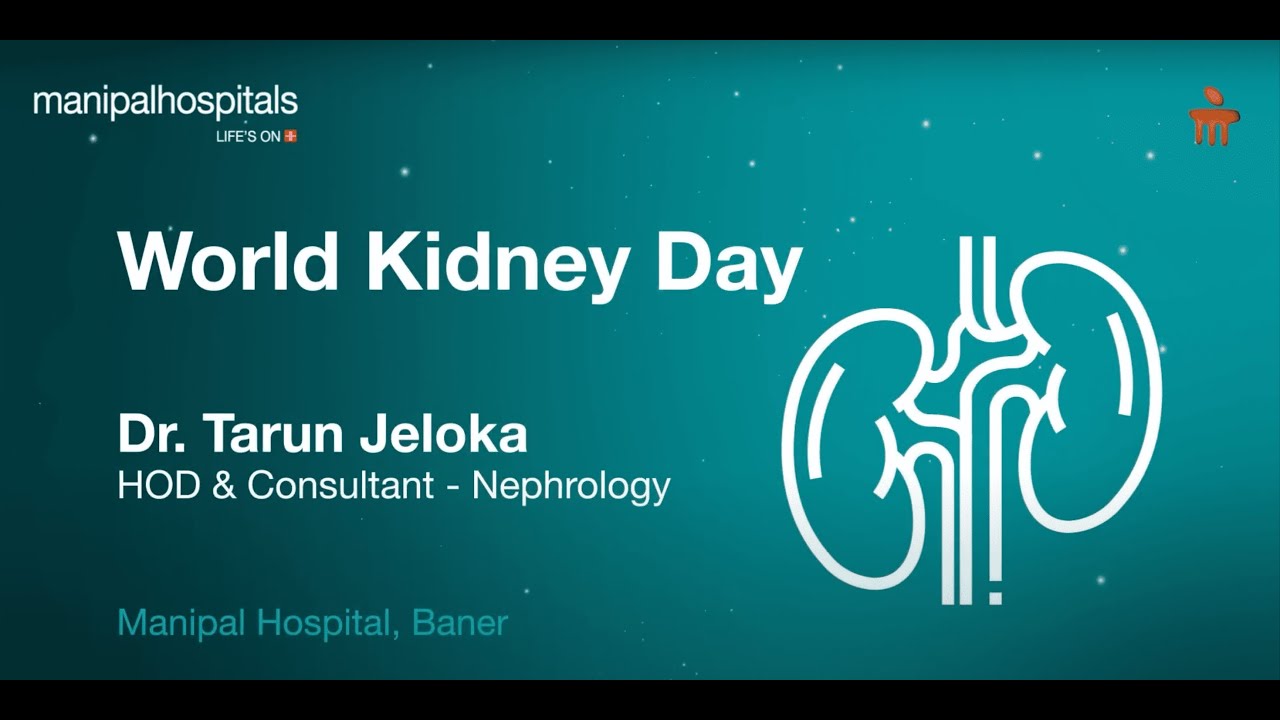
Have a lot of queries about kidney transplants? Dr. Tarun Jeloka, Consultant - Nephrology And Transplant, Manipal Hospital Baner, Pune, sheds light on the procedure in this informative video to help you understand kidney transplants. Watch the video to learn more. For a consultation, call - 020 6813 8888 or visit - https://bit.ly/MHBNephro

Find a Doctor for Kidney Health

Verified specialists across India

Dr. Tarun Jeloka

Nephrologist

30 yrs

Pune

Clinic
Baner, Pune, Maharashtra, 411045
₹800 consultation
EmailWhatsApp

Dr. Ajay Singh

Nephrologist

14 yrs

Jaipur

Health care clinic
Rail Nagar, Jaipur, Rajasthan, 302019
₹500 consultation

Dr. Umesh Dubey

Nephrologist

9 yrs

Kanpur

Regency Hospital
Khalasi Line, Kanpur, Uttar Pradesh, 208002
₹600 consultation

Dr. Apurva Parekh

Nephrologist

15 yrs

Ahmedabad

Shubham Multi Speciality Hospital / Shubham Superspeciality Hospital
Sardar Patel Colony, Ahmedabad, Gujarat, 380013
₹2000 consultation