
Manage Your Diabetes: Tips for Blood Sugar Control

Learn practical strategies to effectively manage your diabetes and gain better control over your blood sugar levels. This guide offers actionable tips for daily living.

Neuropathy — damage or dysfunction of the peripheral nerves — affects millions of Indians, most commonly as a complication of diabetes. Peripheral nerves carry signals between the brain, spinal cord, and the rest of the body: motor signals (movement), sensory signals (touch, pain, temperature), and autonomic signals (heart rate, digestion, blood pressure). When they are damaged, the result depends on which fibres are affected — tingling and burning pain in the feet, weakness in the hands, unexplained falls from loss of balance, or silent internal complications like delayed gastric emptying or orthostatic dizziness. Identifying the cause — diabetes, B12 deficiency, thyroid disease, alcohol, medications, or autoimmune conditions — is the key to treatment. Many causes are reversible if caught early.
Last reviewed: 10 August 2026
Learn practical strategies to effectively manage your diabetes and gain better control over your blood sugar levels. This guide offers actionable tips for daily living.

Disha for Diabetes Awareness: Diabetes is a rapidly growing health concern in India. In this third video, Dr. Suruchi Mandrekar, a leading diabetologist, shares further insights on understanding and managing diabetes. Please watch.
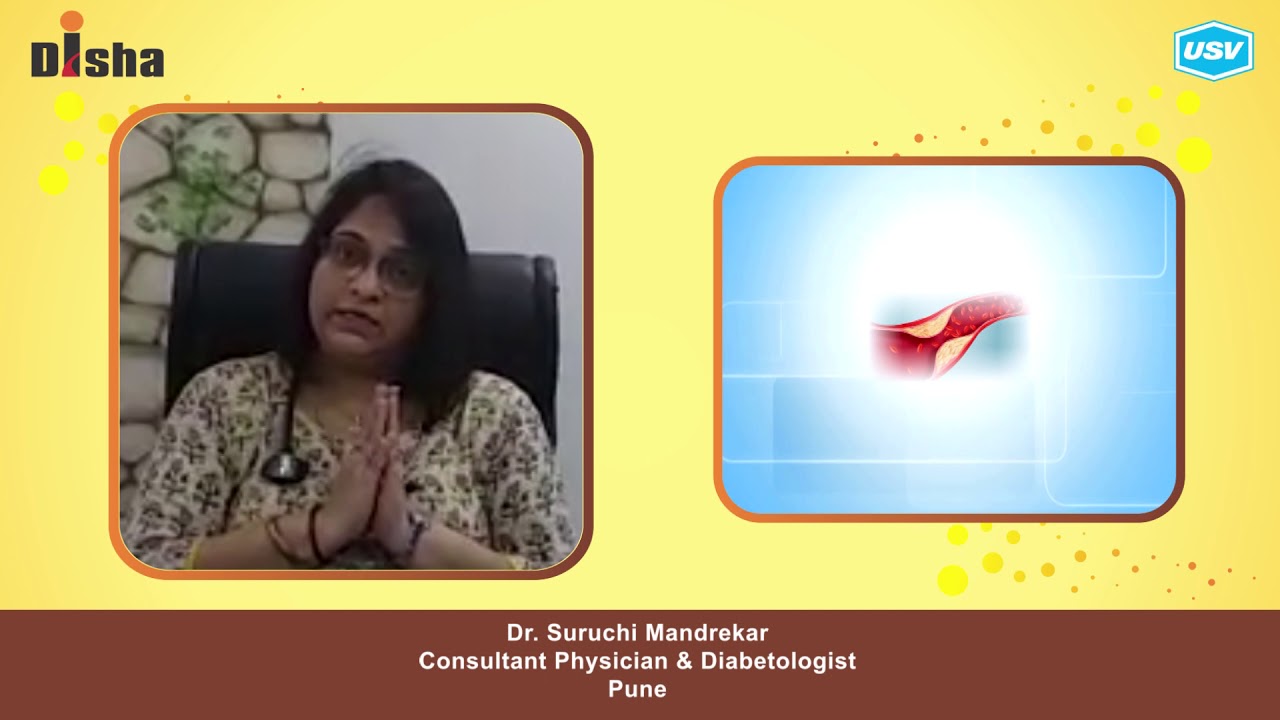
Disha for Diabetes Awareness: Diabetes continues to impact millions across India. In this second video, Dr. Suruchi Mandrekar, a leading diabetologist, shares more important insights on managing and understanding diabetes. Please watch.
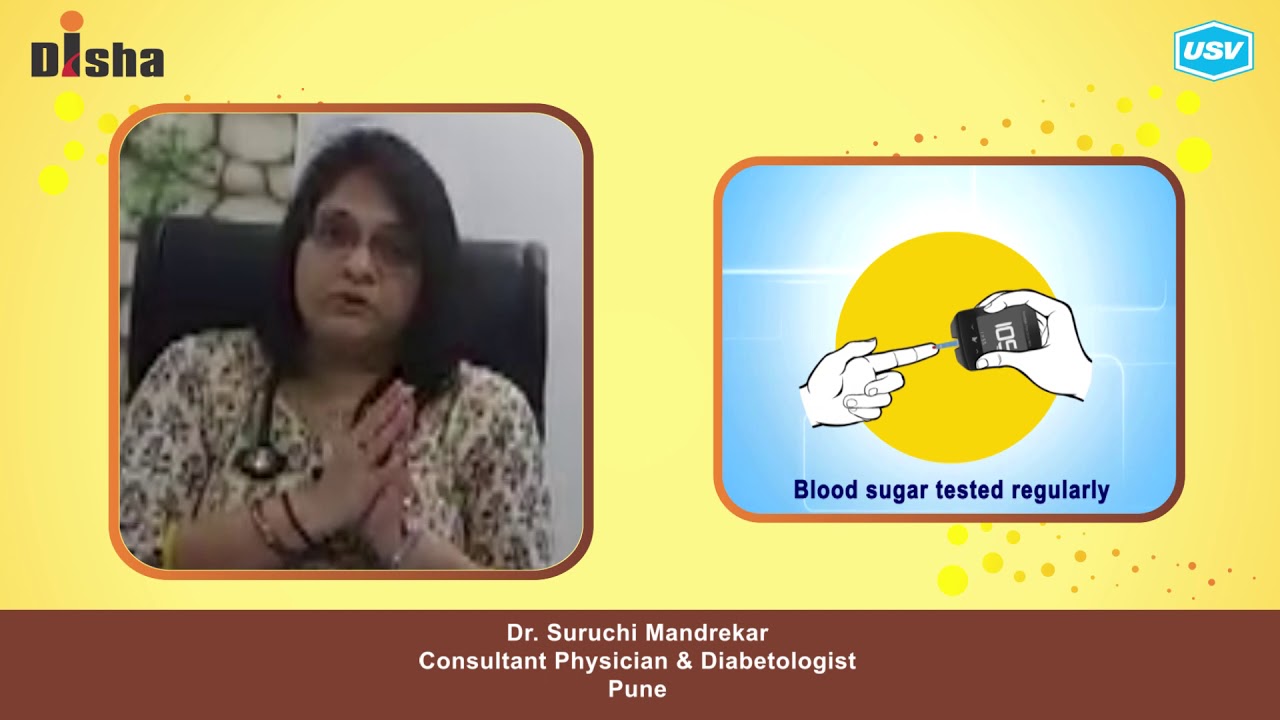
Disha for Diabetes Awareness: Diabetes is one of the most rapidly growing health concerns in India. In this first video, Dr. Suruchi Mandrekar, a leading diabetologist, shares key insights about diabetes. Watch to learn more.

Tips for Managing Diabetes and Staying HealthyTake control of your diabetes and prioritize your health with NIRMAL AYURVED. Follow these essential tips to manage diabetes effectively and lead a healthy lifestyle. Start by adopting a healthy eating plan, staying physically active, and monitoring your blood sugar levels regularly. Don't forget to keep up with regular check-ups to ensure your diabetes is well-managed. With NIRMAL AYURVED's expertise in Ayurvedic medicine, you can explore holistic approaches to managing diabetes and improving your overall well-being. Take charge of your health today and embrace a healthier future!

Apart from many other causes, stress is one of the important factors of diabetes in many people. Stress increases the cortisol levels and in turn, it increases the blood sugar level. Owing to this, a person who is in stress for a prolonged period develops the symptoms of diabetes. Talk to Dr. Prashant Jain (MD. Ayu.) on how to control your stress levels now and manage diabetes.Get a free stress evaluation on: www.nirmalayurved.co.in/aatman

Myth vs Fact: Will Stopping Sugar Intake Cure Diabetes?There is a common belief that simply cutting out sugar can stop diabetes. Let’s understand the facts.Myth: Diabetes will go away if you stop eating sugar. Fact: Diabetes is a complex metabolic condition, not just a result of sugar intake. While reducing added sugars can help manage blood sugar levels, effective diabetes management requires a balanced approach that includes medication (when prescribed), regular physical activity, and a healthy diet. Stopping sugar alone does not cure diabetes.Myth: Only sugary foods impact blood sugar levels. Fact: Carbohydrates in various forms, such as bread, rice, pasta, and fruits, also affect blood sugar levels. Proper diabetes management involves balancing total carbohydrate intake, not just avoiding sweets.Myth: Cutting out sugar prevents Type 2 diabetes. Fact: Although reducing sugar intake supports a healthier lifestyle, other factors such as genetics, body weight, and physical activity levels also significantly influence diabetes risk. A comprehensive and balanced approach is essential.Diabetes management involves more than simply eliminating sugar. A structured and consistent plan is key to maintaining healthy blood sugar levels.General Advice: If you have any medical concerns, please consult your doctor as soon as possible. For assistance, CALL US NOW at: 07556603344

Myth vs Fact: Diabetes and Sugar ConsumptionMyth: Diabetes only happens to those who eat too much sugar.Fact: Eating sugar alone does not directly cause diabetes. Diabetes is a complex condition influenced by several factors, including genetics, lifestyle, body weight, and overall diet. While excessive sugar intake can contribute to weight gain, which increases the risk of type 2 diabetes, it is not the sole cause of the disease.Key Takeaway: Consuming sugar in moderation does not automatically lead to diabetes. Maintaining a balanced diet, staying physically active, and keeping a healthy weight are essential steps in reducing the risk of type 2 diabetes. Awareness and informed choices play a vital role in prevention.General Advice: If you have any medical condition, please consult your nearest healthcare provider, hospital, or doctor as soon as possible. Contact: 7566003344

Myth vs Fact: Sugar-Free Sweets and Ice CreamMyth: Sugar-free sweets and ice creams are healthy alternatives.Fact: Sugar-free does not always mean healthy. These products may contain artificial sweeteners, unhealthy fats, or excessive calories that can negatively impact your health if consumed in large quantities. It is important to check ingredient labels and monitor portion sizes, as overconsumption can still contribute to weight gain and other health concerns.Key TakeawayNot all sugar-free treats are completely guilt-free. Moderation is essential. Focus on balanced nutrition and include whole, nutrient-rich foods as part of a healthy lifestyle.General Advice: If you have any medical condition, please consult your nearest healthcare provider, hospital, or doctor as soon as possible. Contact: 7566003344

Dr Anushri Jamdar, a noted Diabetologist and director, Triveni Health Care talks about why and how doctors manage patient's blood sugar levels before, during and after surgery.We, at TaCa Centre for Surgery, takes great care of diabetic patients.

How hidden sugar quietly sneaks into your daily routine without you realizing it

Maintaining healthy blood sugar levels is essential for overall well-being. In this video, the doctor highlights five foods that can help naturally support blood sugar control: 🥬 Leafy Greens 🌿 Cinnamon 🍓 Berries 🌾 Whole Grains 🥑 AvocadoThese foods are rich in fiber, antioxidants, and essential nutrients that help stabilize glucose levels and support better metabolic health.Remember, a balanced diet, portion control, and regular physical activity are key to managing blood sugar effectively. 🎥 Watch the video to learn how these foods can benefit your health.

There’s a reason diabetes is called a silent disease. Most people don’t even realise something’s wrong until years later — when the damage is already done. It doesn’t always start with the “classic” symptoms you hear about, like excessive thirst or frequent urination. Sometimes it’s just small things you barely notice: feeling unusually tired, a cut that takes longer to heal, or waking up with a dry mouth. Easy to ignore, right? That’s how it sneaks in quietly. What’s scarier is that it’s not just an “older person’s problem” anymore. These days, more and more young adults — even teenagers — are being diagnosed. Long hours at desks, ready-to-eat meals, stress, and late-night screen time are all quietly adding fuel to the fire. Here’s the thing: you don’t need to wait for symptoms. A simple blood sugar check once or twice a year can catch issues early. If diabetes runs in your family, it’s even more important. And no, you don’t need to turn your life upside down — small changes like swapping a fizzy drink for water, adding a 20-minute walk to your day, or getting decent sleep can go a long way. Diabetes doesn’t announce its arrival. But you can stay a step ahead — by listening to your body and taking action before it’s too late.

Caring for elderly family members with diabetes can be a challenging but rewarding experience.

Case study: How Zocvi enables monitor Blood Pressure and Blood Sugar monitoring for parents in India

In an era where natural remedies are increasingly becoming a preferred option for maintaining health and wellness, soursop leaves have emerged as a potent source of medicinal properties.

Diabetes is a widespread chronic condition that affects millions of people worldwide. It's characterized by elevated blood sugar levels, which can lead to various health issues.

Posterior subcapsular cataract is a common eye condition that affects the lens of the eye, leading to vision impairment.

Tamarind, a tropical fruit, is not just a staple in many kitchens for its distinct tart flavor; it's also packed with a wide array of health benefits.

Learn how generic medicines are transforming healthcare by offering cost-effective, reliable alternatives to branded drugs.

Explore the numerous health benefits of sweet lime juice, a nutritious beverage. This guide provides essential information on the nutritional value of sweet lime juice and how it can support a healthy lifestyle.

Explore the complexities of obesity, including its classification, diagnosis codes, and impact on health. Learn about Class 1, 2, and 3 obesity and effective solutions.

Discover a detailed Indian diet chart for diabetic patients, complete with expert meal planning tips, food options, and lifestyle habits to manage diabetes effectively.

Discover how personalized nutrition can transform your health. Explore benefits, meal strategies, and insights on ingredients like ground turkey and yeast.

Understanding which foods to avoid while taking Trulicity is crucial for effective diabetes management. Learn about dietary restrictions and better food choices.
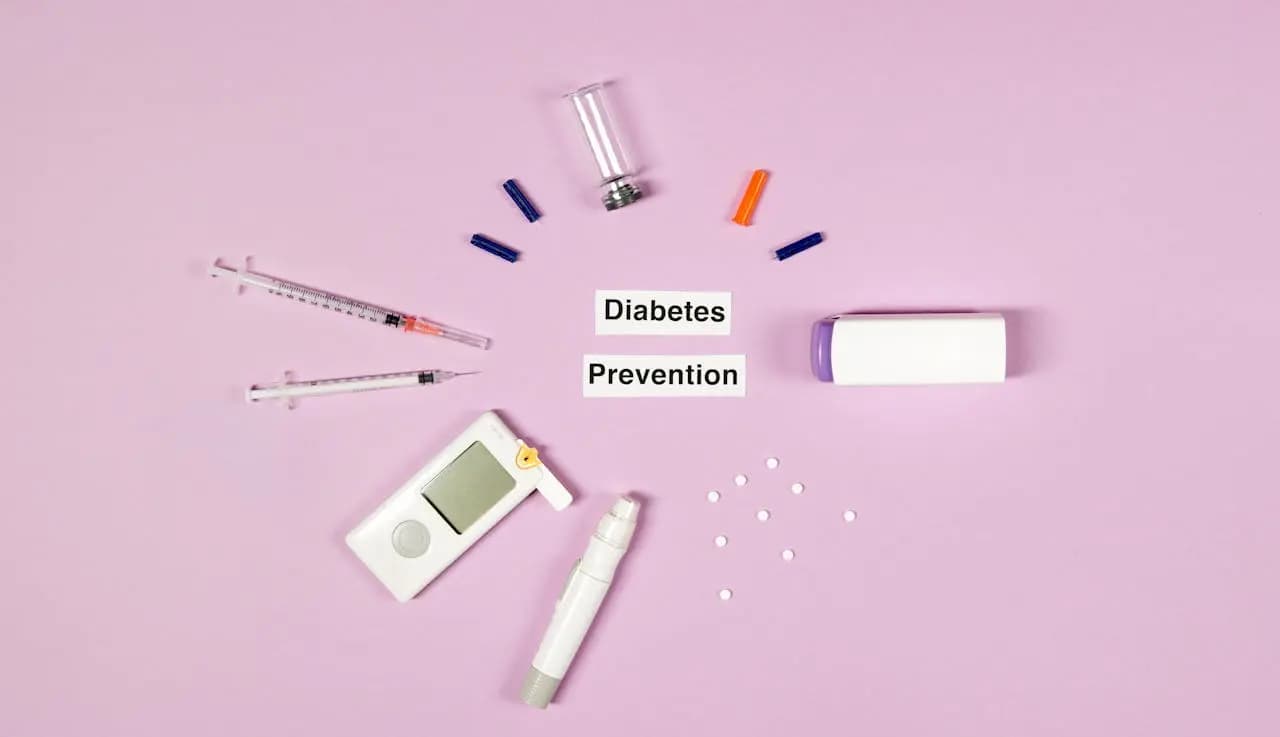
Diabetes management is a meticulous balancing act involving the regulation of blood sugar levels to prevent both short and long-term complications.

Navigating diabetes management or simply maintaining awareness of one's blood sugar levels requires understanding and utilizing a variety of tools, one of the most crucial being the blood sugar conversion chart.

Managing diabetes effectively involves careful dietary planning, especially within the context of traditional Indian cuisine, which is rich in carbohydrates.

Postprandial drowsiness, or feeling sleepy after eating, could be more than just a common experience. Learn whether it signals diabetes and how to manage it effectively.
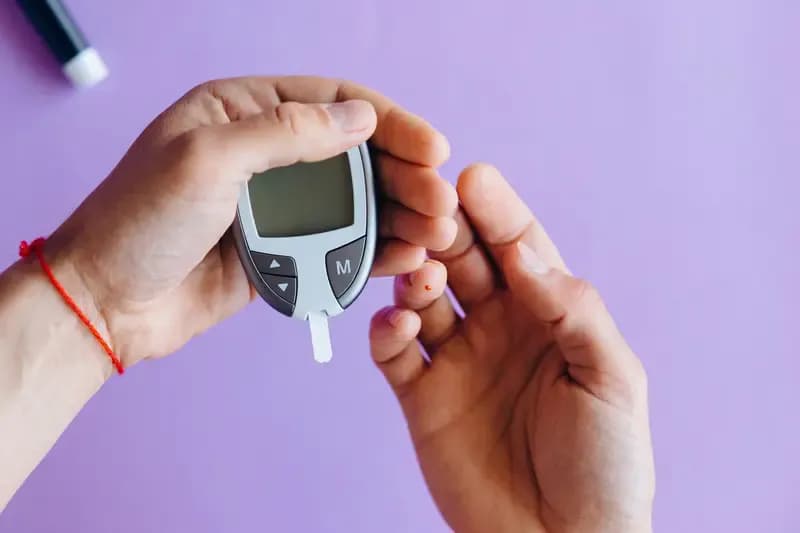
Diabetes and prediabetes are growing concerns worldwide. Discover how natural strategies, including diet, exercise, and lifestyle changes, can effectively help manage blood sugar levels.

A nursing care plan for diabetes mellitus focuses on assessing, diagnosing, and implementing strategies for effective management. Learn how to optimize patient care and prevent complications.

Mucocutaneous candidiasis is a fungal infection that affects the skin, nails, and mucous membranes, caused by the Candida species of fungi.

Explore a variety of healthy Indian recipes that are both nutritious and delicious. This guide provides essential information on how to prepare balanced Indian meals that support a healthy lifestyle.
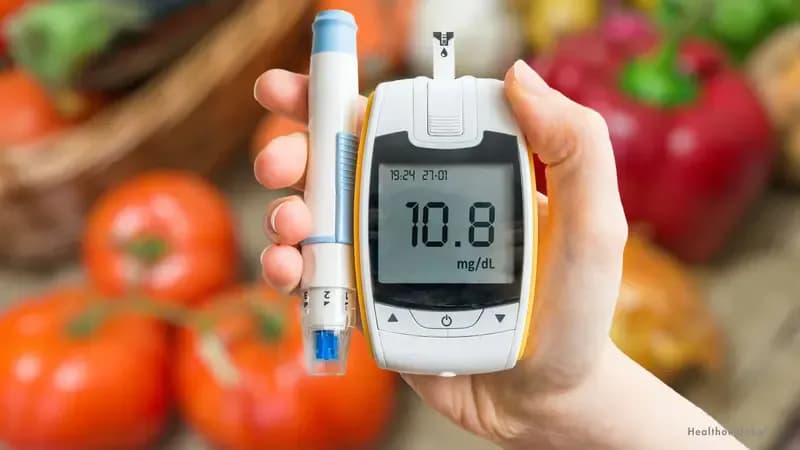
Diabetes is a chronic condition that requires comprehensive management to ensure a high quality of life.

Neuro physiotherapy uses targeted techniques. CIMT and task-specific training for stroke, spasticity management for MS, gait retraining for Parkinson's, to rebuild movement after neurological injury. Here is what a course of treatment looks like in India.

Neuro physiotherapy, also known as neurological physiotherapy, is a specialized field of physical therapy focused on the treatment and rehabilitation of individuals with neurological conditions.

Maintaining a healthy diet is crucial for preventing chronic diseases, boosting immunity, and promoting overall well-being.

As populations age worldwide, the incidence of chronic illnesses among seniors is becoming increasingly common.
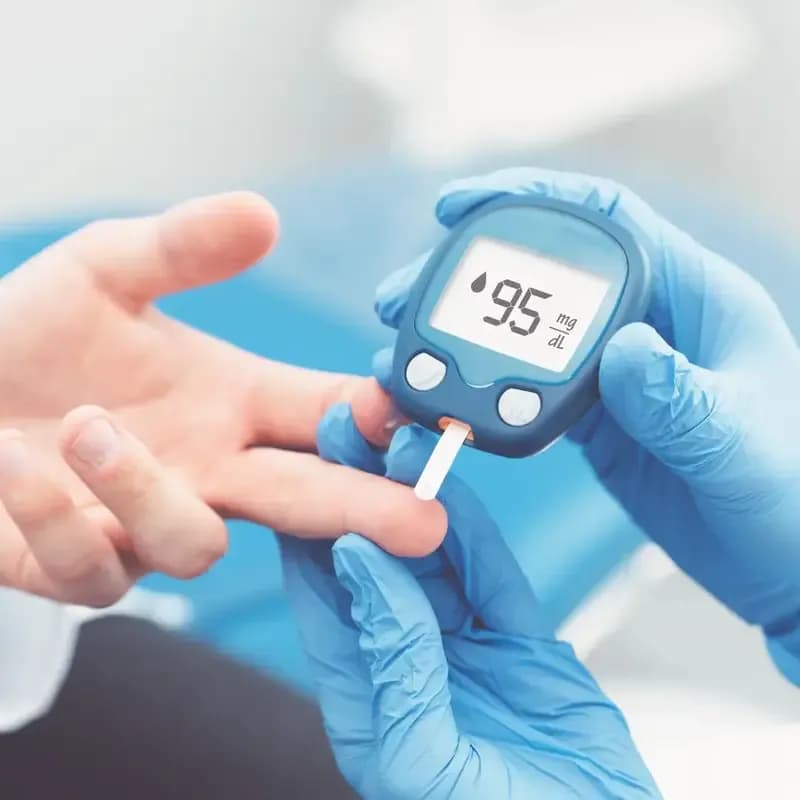
Blood sugar levels play a crucial role in overall health, especially for individuals managing conditions like diabetes.

Nutrition plays a vital role in human health, providing the body with essential nutrients needed for growth, development, and overall well-being.

Nutrition and dietetics encompass the study and practice of food and nutrition to promote health and manage disease.

Atonic bladder, also known as flaccid bladder, is a condition characterized by loss of muscle tone in the bladder wall, leading to impaired bladder emptying and urinary retention.

Magnesium plays a vital role in many bodily functions, including muscle and nerve function, blood sugar control, and bone health.
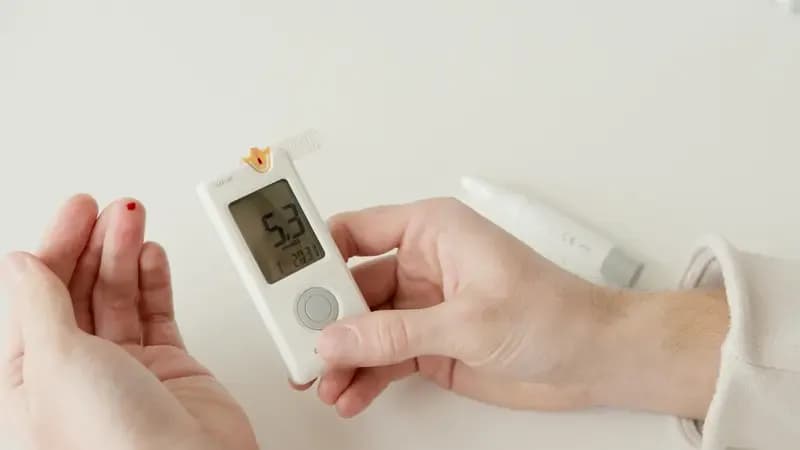
In the journey towards optimal health, understanding the relationship between physical activity and blood sugar levels is crucial.

Maintaining balance is a complex interplay between various sensory systems and motor functions within the body.
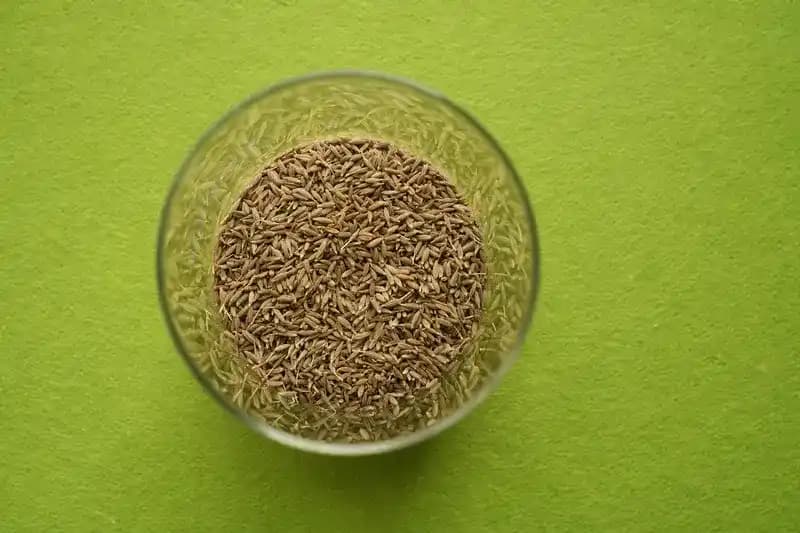
Cumin, a spice that's been a staple in culinary traditions around the world, is not just prized for its distinctive flavor but also for its plethora of health benefits.

Karela, also known as bitter gourd, is not just another vegetable; it's a powerhouse of nutrients offering myriad health benefits.

Chronic Kidney Disease (CKD) is a condition characterized by the gradual loss of kidney function.
Discovering albumin in urine, a condition known as albuminuria, can be a startling revelation for many.

Living with diabetes doesn't mean you must sacrifice enjoying food.
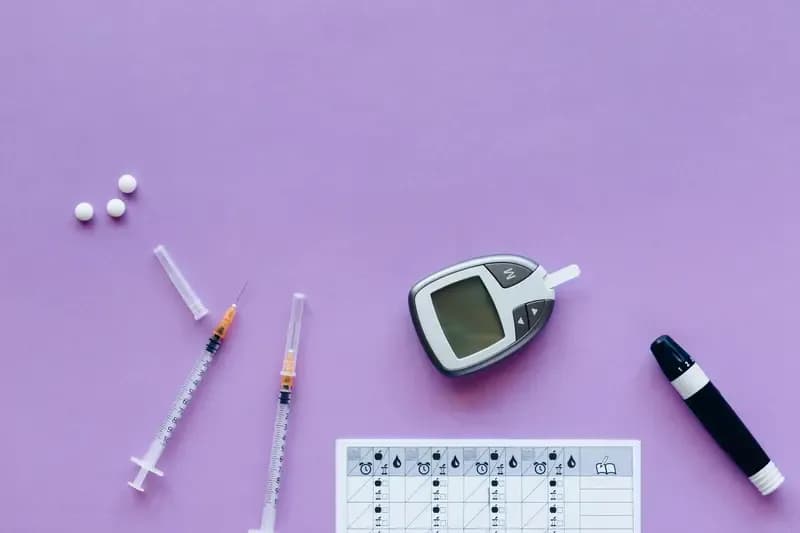
Insulin therapy is pivotal for managing both Type 1 and Type 2 diabetes.

Managing diabetes requires careful attention to diet, as what you eat significantly impacts blood sugar levels, kidney health, and overall well-being.

This is our in-depth guide on intermittent fasting for seniors, specifically tailored to enhance health and manage diabetes for those over 50.

For individuals with diabetes, managing sugar intake is a critical aspect of maintaining overall health. Sugary foods such as cola, candy, ice cream, and cereals are not just tempting; they can be addictive, leading to withdrawal symptoms like anxiety and mood swings when reduced or eliminated from the diet.

In this fast-paced world, the concept of 'Physically Inactive' is alarmingly common. But what does it truly entail? Let's delve into the significance of staying active for your overall well-being.
Explore the relationship between jaggery and diabetes, uncover the truth about its impact on blood sugar, and discover diabetes-friendly sweetener alternatives.
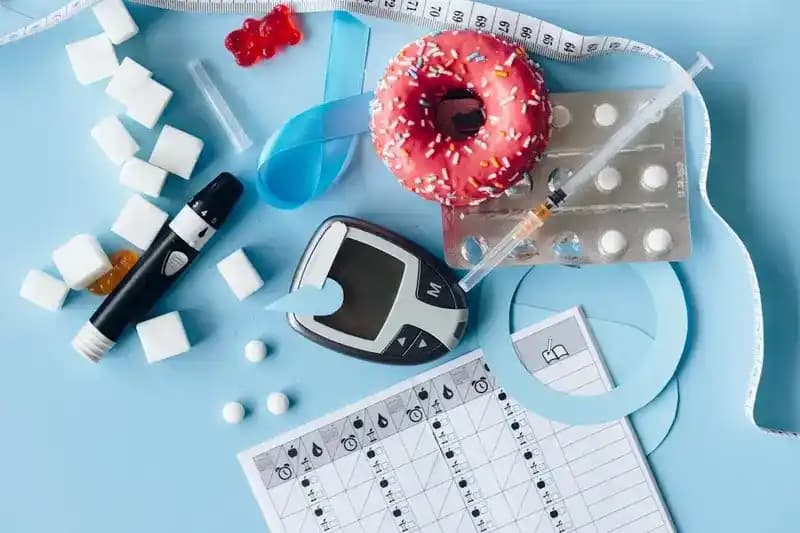
Diabetes is a chronic condition characterized by high blood sugar levels. It occurs when the body either does not produce enough insulin or is unable to use the insulin it produces effectively.
Verified specialists across India
Diabetes is by far the most common cause — diabetic peripheral neuropathy affects up to 50% of people with long-standing diabetes. Vitamin B12 deficiency is the second most common, particularly in vegetarians, older adults, people on metformin (which reduces B12 absorption), and those on prolonged proton pump inhibitors. Other causes: thyroid disease (both hypothyroid and hyperthyroid), chronic alcohol use, autoimmune conditions (Guillain-Barré syndrome, chronic inflammatory demyelinating polyneuropathy), hereditary neuropathies (Charcot-Marie-Tooth), medication toxicity (certain chemotherapy drugs, isoniazid for TB), and HIV. A systematic blood test panel (glucose, HbA1c, B12, thyroid, kidney and liver function, ANA, ANCA, HIV) identifies most causes. Nerve conduction studies localise and characterise the nerve damage.
Sensory neuropathy typically starts in the feet and moves upward in a 'stocking and glove' distribution. Symptoms range widely: tingling (pins and needles), burning pain, electric shock sensations, hypersensitivity to touch (even bed sheets feel painful), or paradoxically — numbness and loss of sensation. Night worsening happens because daytime activity and distraction reduce pain perception; in bed, with no distraction and cooler temperatures that affect nerve conduction, pain becomes more prominent. Loss of proprioception (position sense) causes unsteadiness — particularly in the dark when vision can't compensate. Autonomic neuropathy causes different symptoms: lightheadedness on standing, constipation or diarrhoea, erectile dysfunction, or difficulty regulating blood pressure.
Reversal depends on the cause. B12 deficiency neuropathy: often significantly reversible with B12 replacement (injections are more reliable than oral in severe deficiency) — symptoms may improve over months. Thyroid-related neuropathy: generally reverses with thyroid normalisation. Alcohol-related neuropathy: stops progressing and partially reverses with complete alcohol cessation and nutritional support. Diabetic neuropathy: progression halted by tight blood sugar control, but existing nerve damage has limited reversibility — focus is on slowing further damage and managing symptoms. Guillain-Barré syndrome: usually recovers over months with appropriate treatment (IVIG or plasmapheresis). Hereditary neuropathies: not reversible, but managed. The earlier the cause is identified and treated, the better the recovery potential.
Standard painkillers (paracetamol, ibuprofen) generally don't work well for neuropathic pain — the mechanism is different. Medications that modify nerve signal transmission are used instead. First-line options: pregabalin and gabapentin (anticonvulsants that reduce nerve excitability — used at low to moderate doses for pain, not for their anticonvulsant effect), duloxetine (an antidepressant with strong evidence for diabetic neuropathic pain), and amitriptyline (a tricyclic antidepressant at low doses). Topical options: lidocaine patches and capsaicin cream for localised pain. Tramadol or opioids are sometimes used for severe refractory pain but carry dependency risk. Treatment is often trial-and-error — what works varies between individuals, and combinations are sometimes needed.
Diabetic neuropathy removes the pain warning signal — you can step on a nail or develop a blister without feeling it, leading to wounds that don't heal well because of poor circulation, and ultimately to infection and amputation. Prevention: inspect both feet every day (use a mirror for the sole, or ask a family member) — look for blisters, cuts, redness, swelling, or skin changes. Wash feet daily in lukewarm water (test temperature with elbow, not feet — you may not feel if it's too hot). Dry thoroughly between the toes. Moisturise heels (but not between toes). Wear well-fitted closed shoes — never walk barefoot outside or on hot surfaces. Cut toenails straight across. See a podiatrist or doctor promptly for any wound — never try to self-treat. Annual foot examination by a doctor should be part of routine diabetes care.
Ask our medical community. Your question may help others with similar concerns.
No questions yet. Be the first to ask!