
Introduction
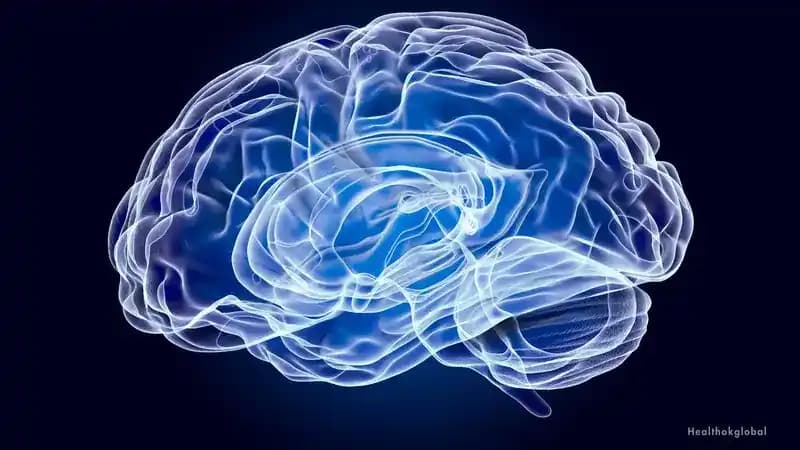
Neuro physiotherapy, also known as neurological physiotherapy, is a specialized field of physical therapy focused on the treatment and rehabilitation of individuals with neurological conditions. These conditions affect the nervous system, including the brain, spinal cord, and peripheral nerves, and can result in impairments in movement, balance, coordination, and function. Neuro physiotherapy aims to enhance recovery, improve functional abilities, and increase the overall quality of life for individuals with neurological disorders.
The Role of Neuro Physiotherapy in Rehabilitation
Neuro physiotherapy plays a critical role in the rehabilitation process for individuals with neurological conditions. By using evidence-based techniques and individualized treatment plans, neuro physiotherapists help patients regain movement, improve strength, and restore independence.
Neuro physiotherapists conduct comprehensive assessments to evaluate the patient's physical and neurological status. This includes assessing muscle strength, joint range of motion, balance, coordination, and functional abilities.
1. Assessment and Diagnosis:
Based on the assessment, physiotherapists develop personalized treatment plans tailored to the specific needs and goals of the patient. These plans address the unique challenges posed by the neurological condition and focus on maximizing recovery.
2. Individualized Treatment Plans:
Setting realistic and achievable goals is a fundamental aspect of neuro physiotherapy. Goals may include improving mobility, enhancing balance, increasing muscle strength, and achieving greater independence in daily activities.
3. Goal Setting:
Common Neurological Conditions Treated with Neuro Physiotherapy
Neuro physiotherapy is effective in treating a wide range of neurological conditions. Some of the most common conditions include:
Neuro physiotherapy helps stroke survivors regain movement, improve balance, and enhance coordination. It focuses on retraining the brain and body to compensate for deficits caused by the stroke.
1. Stroke:
Physiotherapy for MS patients aims to manage symptoms such as muscle weakness, spasticity, and balance problems. Exercises and techniques are used to maintain mobility and improve function.
2. Multiple Sclerosis (MS):
Neuro physiotherapy addresses the movement challenges associated with Parkinson's disease, such as tremors, rigidity, and bradykinesia (slowness of movement). It helps improve gait, posture, and overall mobility.
3. Parkinson's Disease:
Individuals with spinal cord injuries benefit from neuro physiotherapy through exercises that promote strength, flexibility, and functional independence. Techniques such as locomotor training and electrical stimulation may be used.
4. Spinal Cord Injuries:
Physiotherapy for TBI patients focuses on improving motor skills, balance, and coordination. It also addresses cognitive and perceptual challenges that may arise from the injury.
5. Traumatic Brain Injury (TBI):
Techniques and Treatments in Neuro Physiotherapy
Neuro physiotherapy employs a variety of techniques and treatments to address the unique needs of individuals with neurological conditions. Some of the commonly used methods include:
Customized exercise programs are designed to improve strength, flexibility, balance, and coordination. These exercises are tailored to the patient's abilities and goals.
1. Therapeutic Exercises:
Hands-on techniques such as joint mobilization, soft tissue massage, and stretching are used to enhance mobility and reduce pain.
2. Manual Therapy:
Specialized exercises and devices, such as parallel bars and harness systems, are used to improve walking patterns and balance.
3. Gait Training:
Techniques such as functional electrical stimulation (FES) and proprioceptive neuromuscular facilitation (PNF) are used to retrain the nervous system and improve motor control.
4. Neuromuscular Re-education:
Exercises that challenge balance and coordination help improve stability and reduce the risk of falls.
5. Balance and Coordination Training:
Water-based exercises provide a supportive environment for movement, reducing the risk of injury and making it easier to perform exercises.
6. Aquatic Therapy:
Benefits of Neuro Physiotherapy
Neuro physiotherapy offers numerous benefits for individuals with neurological conditions. These benefits contribute to improved physical and mental well-being, enhancing overall quality of life.
Neuro physiotherapy helps restore movement and function, enabling patients to perform daily activities with greater ease and independence.
1. Improved Mobility and Function:
Targeted exercises and treatments build muscle strength and increase endurance, allowing patients to participate in activities they enjoy.
2. Enhanced Strength and Endurance:
Improved balance and coordination reduce the risk of falls and enhance safety during movement.
3. Better Balance and Coordination:
Manual therapy and specific exercises help alleviate pain and discomfort associated with neurological conditions.
4. Pain Management:
Improved physical function and independence contribute to better mental health, reducing feelings of depression and anxiety.
5. Psychological Benefits:
By enhancing functional abilities, neuro physiotherapy enables individuals to lead more independent lives, improving their overall sense of well-being.
6. Increased Independence:
The Importance of a Multidisciplinary Approach
Neuro physiotherapy is most effective when integrated into a multidisciplinary approach to rehabilitation. Collaboration between various healthcare professionals ensures comprehensive care and optimal outcomes for patients.
Occupational therapists work alongside physiotherapists to address activities of daily living (ADLs) and fine motor skills, further enhancing the patient's independence.
1. Collaboration with Occupational Therapists:
For patients with speech and swallowing difficulties, speech and language therapists provide essential support and treatment.
2. Involvement of Speech and Language Therapists:
Neurologists, rehabilitation physicians, and primary care doctors play a crucial role in diagnosing and managing the underlying neurological condition.
3. Support from Medical Professionals:
Educating and involving family members and caregivers in the rehabilitation process ensures ongoing support and reinforcement of therapeutic activities at home.
4. Family and Caregiver Involvement:
Conclusion
Neuro physiotherapy is a vital component of rehabilitation for individuals with neurological conditions. Through comprehensive assessments, individualized treatment plans, and specialized techniques, neuro physiotherapists help patients regain function, improve mobility, and enhance their quality of life. The benefits of neuro physiotherapy extend beyond physical improvements, contributing to better mental health and increased independence. By adopting a multidisciplinary approach, healthcare professionals can provide holistic care that addresses the diverse needs of patients with neurological disorders. Investing in neuro physiotherapy can lead to significant improvements in the lives of individuals affected by neurological conditions, promoting recovery and enhancing overall well-being.







Comments (0)