
The Toothpaste Trick: Sugar Is Hiding in Places Yo

The Toothpaste Trick: Sugar Is Hiding in Places Yo

Dr. Saloni Kabra

Book Online

Homoeopath

7 yrs

Indore

Clinic
Indore
Fee on request
Email

Dr. Saloni Kabra

Book Online

Homoeopath • 7 yrs • Indore

Indore

Clinic
Indore
Fee on request
Email
Overview

How hidden sugar quietly sneaks into your daily routine without you realizing it

Overview

The Sweet Lie We Don’t Taste

Sugar is easy to blame when it comes in obvious forms — sodas, desserts, candy. But what about sugar in things you don’t even swallow for taste, like toothpaste? Or sauces that don’t feel sweet at all?

That’s the hidden danger. Sugar today isn’t just a sweetener. It’s a texture booster, a bitterness masker, and a loyalty hack. You could be consuming (or even just exposed to) sugar far more than you think — without tasting it.

Why Add Sugar to Things That Aren’t Sweet?

Manufacturers use sugar for more than flavor:

  • Masking bitterness — Toothpaste, syrups, cough drops, and even throat sprays often have sugar or sweeteners to offset strong active ingredients.
  • Improving texture — Sugar adds a smooth feel in sauces, breads, and packaged food.
  • Increasing shelf life — Sugar helps preserve moisture and color in products.

The result? Sugar hides in plain sight, often in products that don’t even register as sweet in your mouth.

7 Shockingly Common Places Sugar Sneaks In

Here’s where it slips in unnoticed:

1. Toothpaste — Yes, Toothpaste

Some toothpaste formulas use sweeteners to make the brushing experience less bitter. It’s not table sugar dumped into your tube, but it shows how far the industry goes to make products “pleasant,” even when you’re not supposed to swallow them.

Do You Know?
Some flavored lip balms and mouthwashes also have sweet additives — not for nutrition but to make them more addictive to use.

2. “Healthy” Breakfast Foods

Protein bars, granola, probiotic yogurts, and even “immune boosting” smoothies often carry sugar levels equal to soda. The natural flavor of oats or whey isn’t sweet enough, so sugar or fruit concentrates are added to make it palatable.

3. Bread, Wraps, and Packaged Bakery Items

That soft burger bun or “multigrain” bread? Sugar plays a role in texture and browning. Most commercial breads have at least one form of sugar, even if it’s marketed as wholesome.

4. Sauces & Condiments

Tomato ketchup, barbecue sauces, salad dressings, and even pasta sauces often carry 3–7 grams of sugar per serving. These aren’t desserts but processed products where sugar balances acid and salt.

5. Nut Butters & Spreads

Peanut butter and almond butter are naturally earthy, but most commercial versions add sugar for smoothness and flavor. That “no-stir” creamy texture? Thank sugar and stabilizers.

6. Medicines & Syrups

From chewable pain relievers to cough syrups, sugar (or sweetener) is often part of the formula. Kids’ medicines rely on it heavily to avoid bitter rejection, but even some adult products keep it for taste compliance.

7. Packaged Savory Snacks

Pickles, chips, instant soups, and “flavored” nuts often have hidden sugar. Even when salt is the dominant taste, sugar is used to balance and round the flavor.

The Real Problem Nobody Notices

The issue isn’t one teaspoon of sugar in toothpaste or ketchup — it’s the accumulation. Most people underestimate how much sugar they consume because it doesn’t feel like sugar. A person avoiding desserts could still unknowingly take in 20–30 grams of hidden sugar a day.


Frequently Asked Questions

How much added sugar is safe per day for an Indian adult?

WHO strong recommendation: added sugar should be less than 10% of daily calories, and ideally less than 5% for additional health benefits. For a typical Indian adult on 2000 kcal/day, this means less than 50g total (10%) or ideally less than 25g (5%) of added sugar per day. ‘Added sugar’ means sugar added during processing — it does NOT include naturally occurring sugars in fruit, milk, or unsweetened dahi. Practical reference: one teaspoon of sugar = 4g; one 300ml bottle of Coca-Cola = 32g (already over the ideal daily limit in one drink); one small (30g) serving of Nutella = 17g; one serving of Kellogg’s Chocos = 12g; two-tablespoon serving of Kissan tomato ketchup = 5g. India has one of the world’s highest rates of type 2 diabetes with genetic susceptibility at lower BMI (‘thin-fat Indian’ phenotype) — stricter added-sugar limits matter more here than in Western populations. FSSAI mandates ‘added sugar’ declaration on packaged food labels since 2020 — read them.

How do I identify hidden sugar on Indian food labels — what names do I look for?

Manufacturers list added sugar under many aliases, sometimes 3-4 different ones on the same label to keep any single one from appearing high in the ingredient list. Watch for: sucrose, glucose, fructose, dextrose, maltose, lactose, high-fructose corn syrup (HFCS), corn syrup, invert sugar, cane juice, cane sugar, brown sugar, raw sugar, jaggery, honey, agave nectar, maple syrup, molasses, fruit juice concentrate, date syrup, malt syrup, rice syrup, treacle, caramel. India-specific: many ‘healthy’ atta biscuits, digestive biscuits, and multigrain breads add sugar and jaggery (still counts as added sugar physiologically). Rule of thumb — ingredients are listed in descending weight order; if any sugar name appears in the top 3, the product is sugar-dominant regardless of marketing claims. FSSAI-mandated nutrition panel now shows ‘Added Sugar (g)’ per serving — this is the direct number to compare against your 25-50g daily budget.

Which everyday Indian products have surprising amounts of hidden sugar?

The biggest India-specific offenders: (1) ‘Health drinks’ like Bournvita, Horlicks, Complan — 20-30% added sugar by weight, marketed for children; a full 25g serving contains 6-8g added sugar; (2) Fruit juice Tetra Paks (Real, Tropicana) — even 100% juice concentrates 20+g sugar per 200ml serving without the fibre; (3) Flavoured/fruit yoghurt (Amul flavoured lassi, Nestle fruit yoghurt) — often 15-20g sugar per cup vs 0g in plain dahi; (4) Muesli and granola marketed as healthy — Kelloggs Muesli 26g sugar per 100g; (5) Peanut butter (sugar-added variants) — up to 8-10g per two-tablespoon serving; (6) Tomato and BBQ sauces — 25% sugar by weight; (7) Biscuits marketed as digestive, atta, or oats-based — 15-25% added sugar; (8) Salad dressings and mayonnaise; (9) Namkeen and packaged snacks (often surprisingly sweetened for balance); (10) Cough syrups and chewable multivitamins for kids — check with your paediatrician for sugar-free alternatives, especially for diabetic children or families with strong T2D history. Rule: whenever a food is ultra-processed and sold in a packet, assume added sugar is present unless the label proves otherwise.

Questions About This Article

Have a question? Ask the author directly.

Have a question about this article?

Ask Dr. Saloni Kabra directly. Your question may help others with similar concerns.

Q:1 answer
Q:1 answer
Q:1 answer

Comments (0)

Found this helpful? Share it!

LinkedInWhatsApp

More from Dr. Saloni Kabra

Other Articles You May Like

Dr. Anushri Jamdar

Diabetologist • 15 yrs • Jabalpur

54 views

Myth vs Fact: Are Sugar-Free Sweets Really Healthy

Myth vs.

Myth vs Fact: Sugar-Free Sweets and Ice CreamMyth: Sugar-free sweets and ice creams are healthy alternatives.Fact: Sugar-free does not always mean healthy. These products may contain artificial sweeteners, unhealthy fats, or excessive calories that can negatively impact your health if consumed in large quantities. It is important to check ingredient labels and monitor portion sizes, as overconsumption can still contribute to weight gain and other health concerns.Key TakeawayNot all sugar-free treats are completely guilt-free. Moderation is essential. Focus on balanced nutrition and include whole, nutrient-rich foods as part of a healthy lifestyle.General Advice: If you have any medical condition, please consult your nearest healthcare provider, hospital, or doctor as soon as possible. Contact: 7566003344

Dr. Prashant Jain

Ayurvedic Doctor • 12 yrs • Delhi

46 views

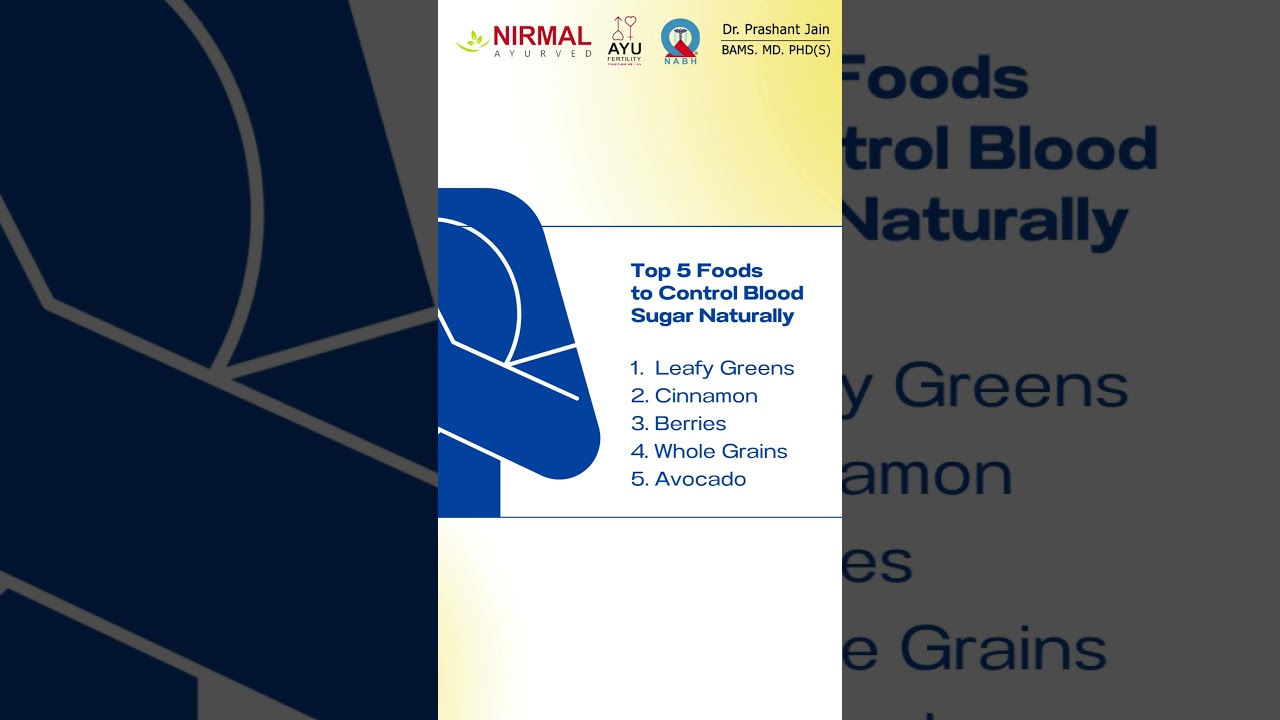
Top 5 Foods to Naturally Control Blood Sugar

Top 5 Foods to Naturally Control Blood Sugar

Maintaining healthy blood sugar levels is essential for overall well-being. In this video, the doctor highlights five foods that can help naturally support blood sugar control: 🥬 Leafy Greens 🌿 Cinnamon 🍓 Berries 🌾 Whole Grains 🥑 AvocadoThese foods are rich in fiber, antioxidants, and essential nutrients that help stabilize glucose levels and support better metabolic health.Remember, a balanced diet, portion control, and regular physical activity are key to managing blood sugar effectively. 🎥 Watch the video to learn how these foods can benefit your health.

Related Topics

Find a Doctor for Diabetes Lifestyle

Verified specialists across India

Dr. Ridhi Khanna

Dietitian & Nutritionist

14 yrs

Amritsar

Eat it Right
Joshi Colony, Amritsar, Punjab, 143001
₹500 consultation