

Introduction
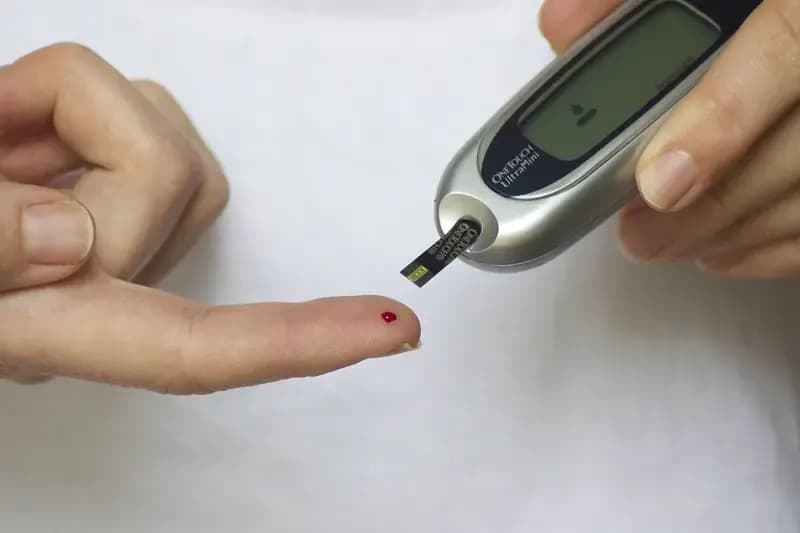
In the world of diabetes management, dietary choices are pivotal, and one topic that continually sparks debate is the consumption of jaggery, a traditional sweetener. The burning question is: Is jaggery a safe addition to the diet of individuals with diabetes? To shed light on this matter, we will delve deep into the scientific facts and myths surrounding jaggery's implications for diabetes management.
Understanding Diabetes
Before we dive into the world of jaggery, it's crucial to grasp the basics of diabetes. Affecting millions worldwide, diabetes comes in two primary types: Type 1 and Type 2. Regardless of the type, the common challenge lies in managing blood sugar levels. Diabetes necessitates vigilant dietary monitoring, which is where jaggery comes into play as a potential sweet substitute.
Exploring Jaggery's Composition
To understand the implications of jaggery on diabetes, let's start with the basics. What exactly is jaggery? Jaggery is a natural sweetener with a rich history in various culinary traditions. Typically derived from sugarcane juice or palm sap, its production involves juice extraction, boiling, and subsequent cooling and solidification. Now, let's delve into the nutritional content of jaggery. It comprises primarily carbohydrates, with sucrose as the dominant component. Additionally, jaggery contains essential minerals such as iron, potassium, and calcium. The deep, robust flavor of jaggery makes it a cherished ingredient in cuisines across the globe.
The Myth: Jaggery as a Healthy Alternative
One common myth suggests that jaggery is a healthier choice compared to regular sugar, especially for those with diabetes. The question is, why does this misconception persist? Several factors contribute to its prevalence:
Natural and Unprocessed Image
Jaggery is often marketed as a natural and unprocessed sweetener. The association of natural with healthy perpetuates the belief in its virtues.
Cultural Significance
In many cultures, jaggery holds deep-rooted cultural significance, playing a role in religious rituals and traditional recipes. This profound connection further fuels the belief in its health benefits.
The Reality: Jaggery and Blood Sugar
The central question remains: How does jaggery affect blood sugar levels in individuals with diabetes?
Glycemic Index (GI) Matters
The glycemic index measures the speed at which a food raises blood sugar levels. Jaggery ranks high on the GI scale, indicating its potential to cause rapid spikes in blood sugar—a matter of concern for diabetes management.
Glycemic Load (GL) vs. GI
While GI provides insight into the speed of blood sugar elevation, glycemic load factors in the quantity consumed. Jaggery's high GI combined with its carbohydrate content can lead to a significant glycemic load.
The Fine Print: Moderation is Key
Does all this mean that individuals with diabetes should completely exclude jaggery from their diets? Not necessarily. Moderation is the key to incorporating jaggery judiciously.
Portion Control
It's essential to limit jaggery consumption to small portions. A small amount for flavor is acceptable, but excessive intake may result in significant blood sugar spikes.
Balance with Fiber
Pairing jaggery with fiber-rich foods can help mitigate its impact on blood sugar. For example, a small piece of jaggery with some nuts or whole grains can make for a more balanced choice.
Consult Your Healthcare Professional
Every individual's diabetes management plan is unique. Collaboration with healthcare providers or registered dietitians is essential to craft a personalized dietary strategy that aligns with specific needs and health goals.
Alternatives to Jaggery for People with Diabetes
If you're searching for diabetes-friendly sweeteners, consider these alternatives: Stevia is a natural sweetener derived from the leaves of the stevia plant. It has zero calories and does not raise blood sugar levels. Second, Erythritol is a sugar alcohol with minimal impact on blood sugar, often used in sugar-free products. Third, Agave nectar, sweeter than sugar but with a lower glycemic index. Use it sparingly, as it is still high in fructose.
Conclusion
In conclusion, it's essential to dispel the myth that jaggery is a diabetes-friendly sweetener. While jaggery does have its merits, its impact on blood sugar levels makes it a less-than-ideal choice for individuals with diabetes. The key takeaway here is moderation. Be sure to explore alternative sweeteners that can satiate your sweet tooth without the unwanted blood sugar spikes. As you navigate the complex realm of diabetes and dietary choices, remember that informed decisions are vital for effective diabetes management. So, the next time you're tempted by a plate of sweets, think twice before reaching for that enticing piece of jaggery. Your blood sugar levels will thank you for it.











Comments (0)