

Introduction
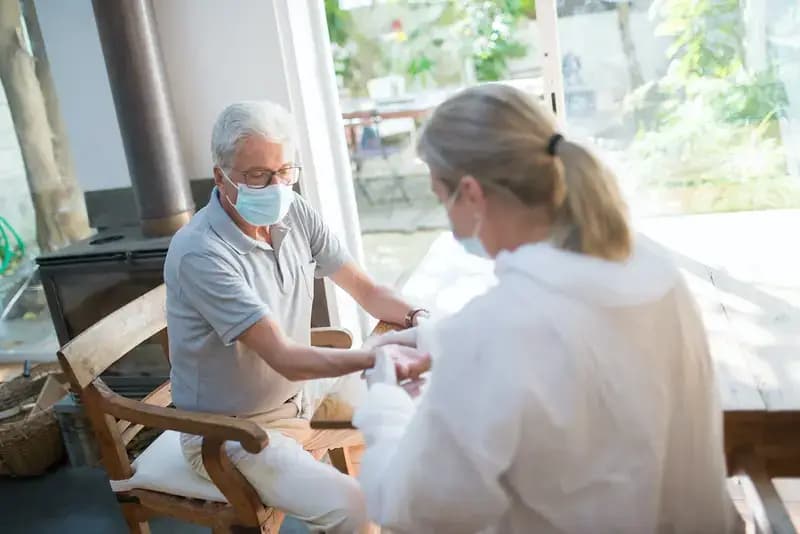
Caring for elderly family members with diabetes can be a challenging but rewarding experience. As our loved one's age, they may face an increased risk of diabetes or have been managing the condition for years. In either case, providing them best care for diabetic seniors with the comfort of their own home can greatly enhance their quality of life. In this blog, we will explore the benefits of in-home elderly care for diabetic seniors, discuss practical strategies for homecare, and offer valuable insights on managing diabetes in elderly care.
Benefits of In-Home Elderly Care for Diabetic Seniors
Home is where the heart is, and for many elderly individuals, it's a sanctuary of comfort and familiarity. When a senior with diabetes can remain in their own home, they experience less stress and anxiety. This can lead to better blood sugar control, as stress is known to impact glucose levels.
Comfort and Familiarity
In-home care allows for highly personalized care plans that cater to the unique needs of the individual. For diabetic seniors, this means tailoring dietary restrictions, medication schedules, and exercise routines to their specific requirements.
Personalized Care
Maintaining independence and dignity is essential for seniors. In-home care promotes a sense of autonomy, allowing seniors to manage their diabetes while receiving assistance when needed. This boosts their self-esteem and overall well-being.
Independence and Dignity
Elderly individuals are more susceptible to infections and illnesses, which can complicate diabetes management. In-home care reduces exposure to external factors that could lead to infections, such as those encountered in hospitals or long-term care facilities.
Reduced Risk of Infections
Homecare for Diabetic Parents
Adapting the home to be diabetes-friendly is crucial. Keep essential diabetes supplies and medications readily accessible and organized. Ensure proper lighting for seniors with vision impairments to help with insulin injections and glucose monitoring.
Create a Diabetes-Friendly Environment
A well-balanced diet is fundamental to diabetes management. Plan meals that incorporate a variety of food groups, focusing on whole grains, lean proteins, and plenty of vegetables. Control portion sizes and monitor carbohydrate intake to maintain stable blood sugar levels.
Nutritious Meals
Strict adherence to medication schedules is vital for diabetic seniors. Create a medication management system, such as pill organizers, and set up reminders to help ensure that your loved one never misses a dose.
Medication Management
Physical activity is an essential component of diabetes management. Encourage daily exercise tailored to your loved one's abilities and preferences. Even short walks can make a significant difference in controlling blood sugar levels.
Regular Exercise
Regular monitoring of blood sugar levels is critical. Familiarize yourself with the operation of glucose meters and help your loved one track their readings. Maintain a log of their blood sugar levels, as this can provide valuable insights into their condition.
Blood Sugar Monitoring
Living with diabetes can be emotionally challenging. Offer emotional support and encourage open communication about their feelings, concerns, and experiences. Be empathetic and patient and help them connect with support groups if they wish to share their journey with others.
Emotional Support
Homecare for Diabetic Parents
Adapting the home to be diabetes-friendly is crucial. Keep essential diabetes supplies and medications readily accessible and organized. Ensure proper lighting for seniors with vision impairments to help with insulin injections and glucose monitoring.
Create a Diabetes-Friendly Environment
A well-balanced diet is fundamental to diabetes management. Plan meals that incorporate a variety of food groups, focusing on whole grains, lean proteins, and plenty of vegetables. Control portion sizes and monitor carbohydrate intake to maintain stable blood sugar levels.
Nutritious Meals
Strict adherence to medication schedules is vital for diabetic seniors. Create a medication management system, such as pill organizers, and set up reminders to help ensure that your loved one never misses a dose.
Medication Management
Physical activity is an essential component of diabetes management. Encourage daily exercise tailored to your loved one's abilities and preferences. Even short walks can make a significant difference in controlling blood sugar levels.
Regular Exercise
Regular monitoring of blood sugar levels is critical. Familiarize yourself with the operation of glucose meters and help your loved one track their readings. Maintain a log of their blood sugar levels, as this can provide valuable insights into their condition.
Blood Sugar Monitoring
Living with diabetes can be emotionally challenging. Offer emotional support and encourage open communication about their feelings, concerns, and experiences. Be empathetic and patient and help them connect with support groups if they wish to share their journey with others.
Emotional Support
Diabetes in Elderly Care: What to Watch For?
Elderly individuals are at higher risk of hypoglycemia due to various factors, including changes in metabolism and medication interactions. Common symptoms of low blood sugar include confusion, dizziness, sweating, and mood swings. Be vigilant in monitoring for these signs, especially if your loved one experiences frequent hypoglycemic episodes.
Hypoglycemia (Low Blood Sugar)
Consistently high blood sugar levels can lead to serious health complications. Look for signs of hyperglycemia, such as increased thirst, frequent urination, fatigue, and blurred vision. If you notice these symptoms, consult with a healthcare professional to adjust the diabetes management plan.
Hyperglycemia (High Blood Sugar)
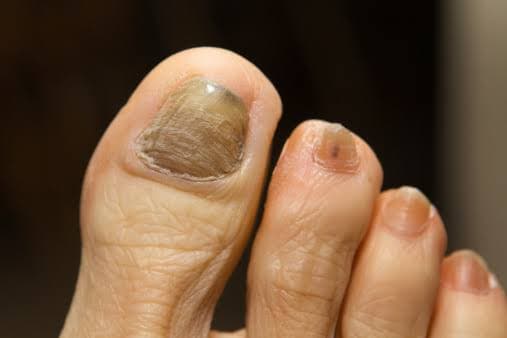
Poor circulation and nerve damage can make the feet particularly vulnerable for diabetic seniors. Check for signs of cuts, blisters, or sores on the feet and ensure proper foot hygiene. Encourage regular podiatric check-ups to prevent complications.
Foot Care
Routine Medical Check-ups
Benefits of In-Home Elderly Care for Diabetes
In-home elderly care provides an array of advantages for seniors managing diabetes. Some of these benefits include:
Compared to assisted living or nursing homes, in-home care can be a more cost-effective solution. It allows seniors to receive quality care without the additional expenses associated with long-term care facilities.
Cost-Effective
With in-home care, there is a consistent and personal relationship between the caregiver and the senior, promoting a continuity of care. This familiarity can lead to better diabetes management and overall well-being.
Continuity of Care
Seniors can experience emotional distress when transitioning to an unfamiliar environment. In-home care minimizes this stress, helping them maintain a positive outlook on managing their diabetes.
Reduced Stress
In-home care allows family members to be actively involved in the care of their loved ones. This involvement can foster a strong support network and ensure that seniors receive the care and attention they need.
Family Involvement
Conclusion
Managing diabetes in elderly care at home is a fulfilling endeavor, and it comes with a host of benefits. With a diabetes-friendly environment, nutritious meals, proper medication management, regular exercise, and emotional support, you can help your loved one maintain their independence and dignity while managing their diabetes effectively.In-home elderly care not only offers a comfortable and familiar setting but also ensures that your loved one receives the personalized care they need to thrive. By staying vigilant for potential diabetes-related complications and seeking routine medical check-ups, you can ensure the best care for diabetic seniors at home.Remember, you are not alone on this journey. There are countless resources and support systems available to help you provide the best care possible for your elderly loved ones with diabetes. Together, you can navigate the challenges of diabetes and create a fulfilling and supportive environment that promotes a happy and healthy life for your senior family members.









Comments (0)