Importance of Balanced Diet: Essential for Health and Well-being

A balanced diet is essential for maintaining overall health and well-being.
1 like

Gut Health & Microbiome covers what the science actually shows about gut bacteria, diet, probiotics, and the connection between gut and overall health. Our doctors and editorial team explain what the evidence supports versus the wellness-industry overreach, and how to support gut health through realistic dietary choices.
Last reviewed: 11 August 2026
A balanced diet is essential for maintaining overall health and well-being.

Explore the myriad health benefits of bananas in this comprehensive guide. Learn about their nutritional profile, various types, and how incorporating bananas into your diet can enhance overall well-being.
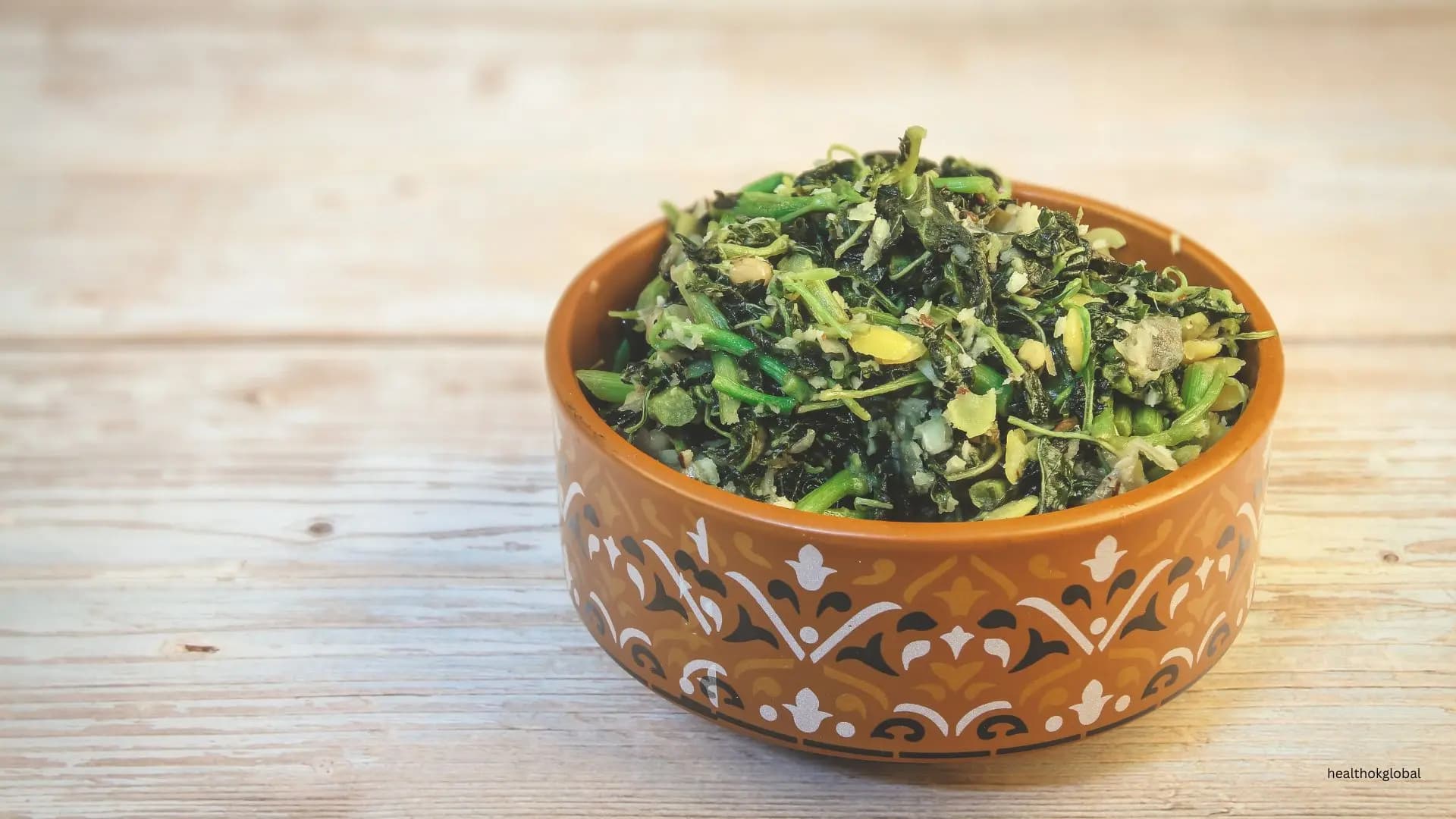
Explore the numerous health benefits of cabbage poriyal, a nutritious South Indian dish. This guide provides essential information on the nutritional value of cabbage poriyal and how it can support a healthy lifestyle.

Discover the power of wholesome foods in achieving balanced nutrition and overall health. Learn tips, strategies, and recipes for incorporating nutrient-dense ingredients into your diet.

Tamarind, a tropical fruit, is not just a staple in many kitchens for its distinct tart flavor; it's also packed with a wide array of health benefits.

Jalapenos are more than just a staple in spicy cuisines; they're a powerhouse of nutrition and health benefits.
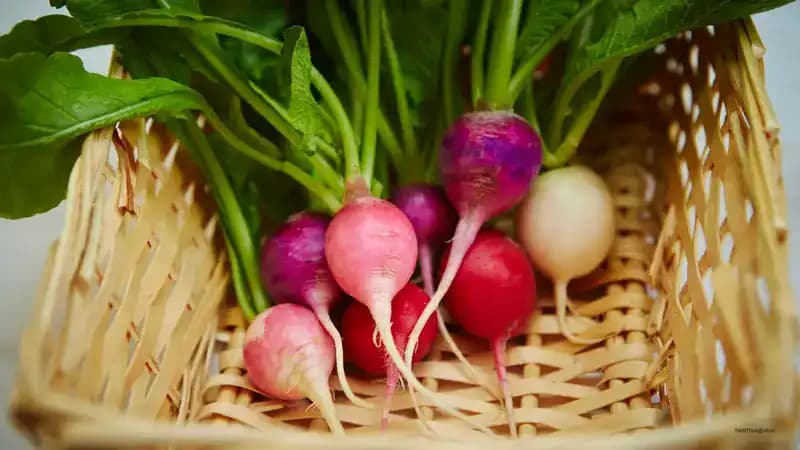
Explore the numerous health benefits of turnip, a nutritious root vegetable. This guide provides essential information on the nutritional value of turnip and how it can support a healthy lifestyle.
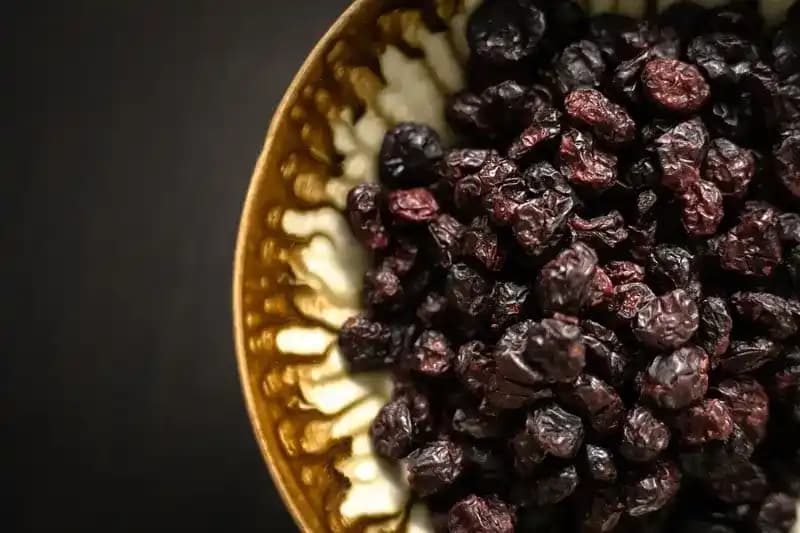
Raisins are a nutrient-dense dried fruit packed with antioxidants, fiber, and essential minerals, offering numerous health benefits.
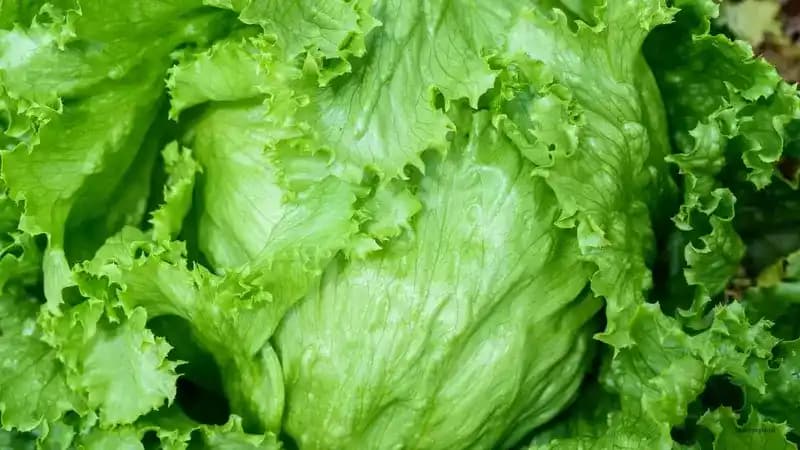
Iceberg lettuce is a refreshing and nutritious green that offers numerous health benefits.

Spinach corn sandwich is a nutritious delight offering numerous health benefits.
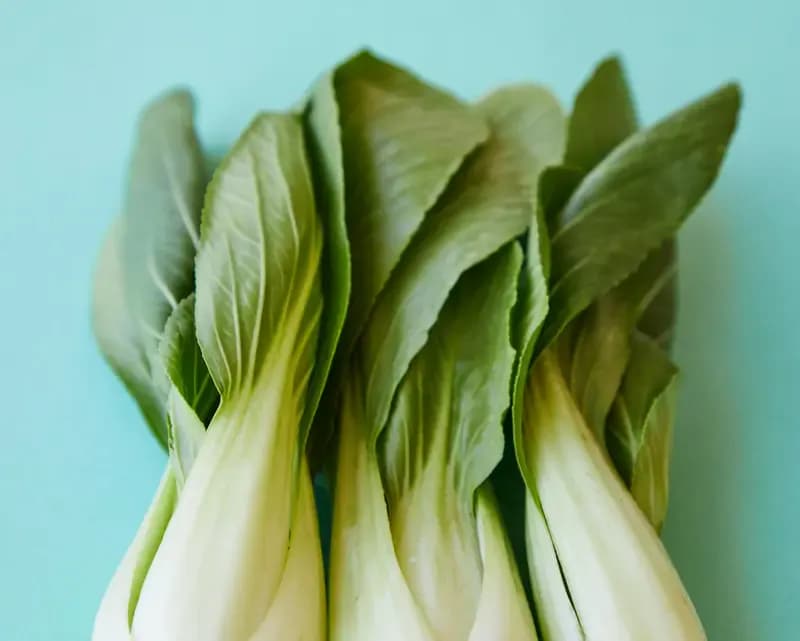
Bok choy, a staple in Asian cuisine, isn't just known for its crisp texture and versatile flavor—it's also celebrated for its numerous health benefits.

Malabar spinach is a nutrient-rich green leafy vegetable offering numerous health benefits. Learn about its nutritional value, uses, and how it supports a healthy lifestyle.
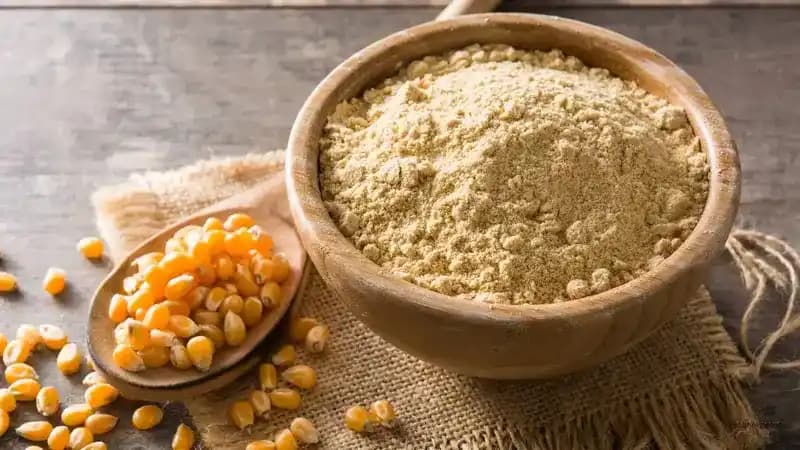
Corn flour is a nutrient-rich ingredient with several health benefits, including digestive support, energy boost, and heart health enhancement.

Cucumbers are more than just a garden vegetable; they are a treasure trove of nutrients and offer a plethora of health benefits.

Sweet corn is a nutritious delight offering numerous health benefits.

Pickles have been a staple in cuisines around the world for centuries, not just for their unique taste but also for their numerous health benefits.
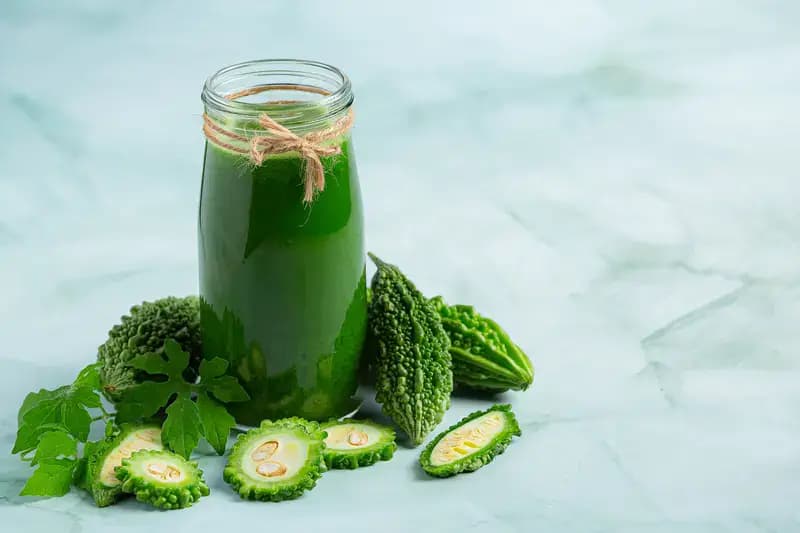
Karela, also known as bitter gourd, is not just another vegetable; it's a powerhouse of nutrients offering myriad health benefits.
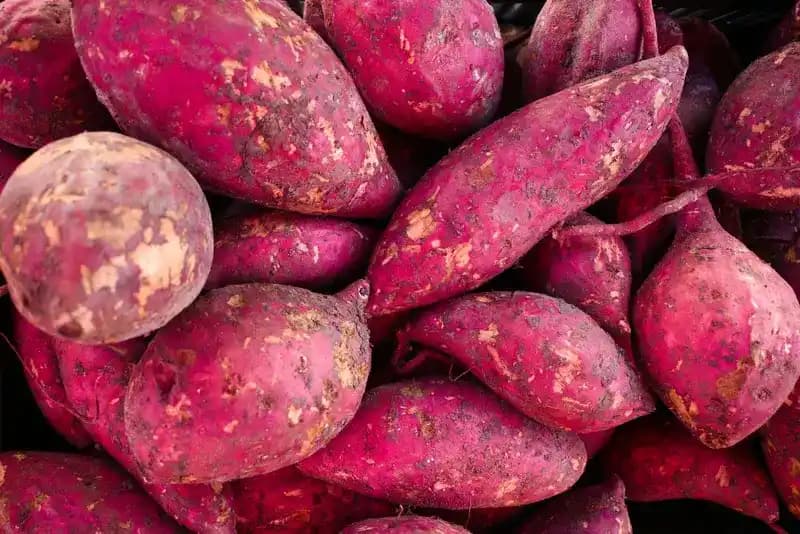
Sweet potatoes, a root vegetable rich in flavor, color, and nutrition, have been a staple in various cuisines around the globe.

Hearts of palm, derived from the tender inner core of select palm trees, are gaining recognition not only for their delicate flavor but also for their impressive nutritional profile.
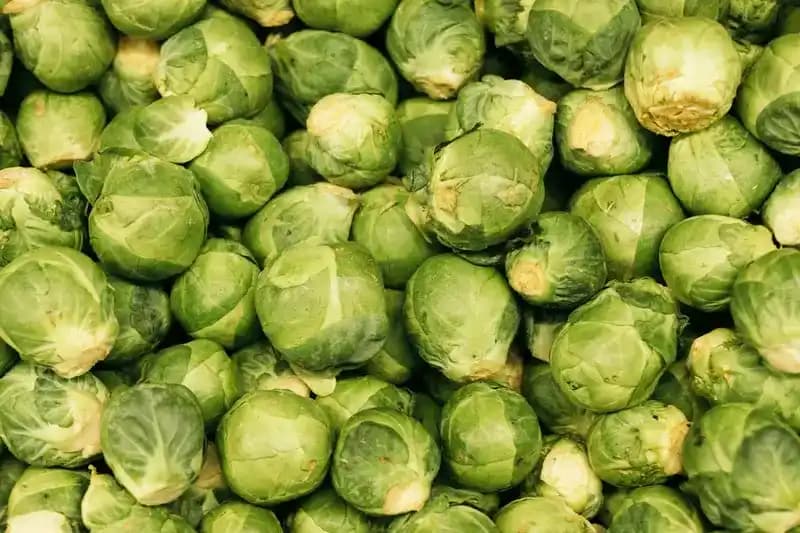
Cabbage, a leafy green, red, and purple vegetable, is not only a versatile culinary ingredient but also a powerhouse of nutrients.
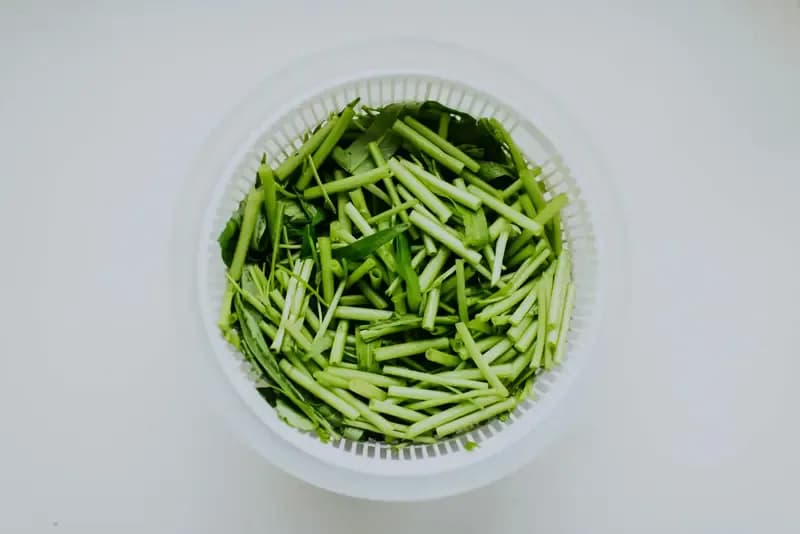
Green onions, also known as scallions or spring onions, are not only a flavorful addition to various dishes but also pack a nutritional punch.

Explore a variety of healthy Indian recipes that are both nutritious and delicious. This guide provides essential information on how to prepare balanced Indian meals that support a healthy lifestyle.

From juicy fruit to refreshing juice and nourishing leaves, mango offers health perks across its many forms. Discover mango benefits, nutrition, calories, and more.

Oranges are more than just a sweet citrus fruit. This guide explores the full range of oranges benefits, including nutrients, juice uses, and daily health advantages.
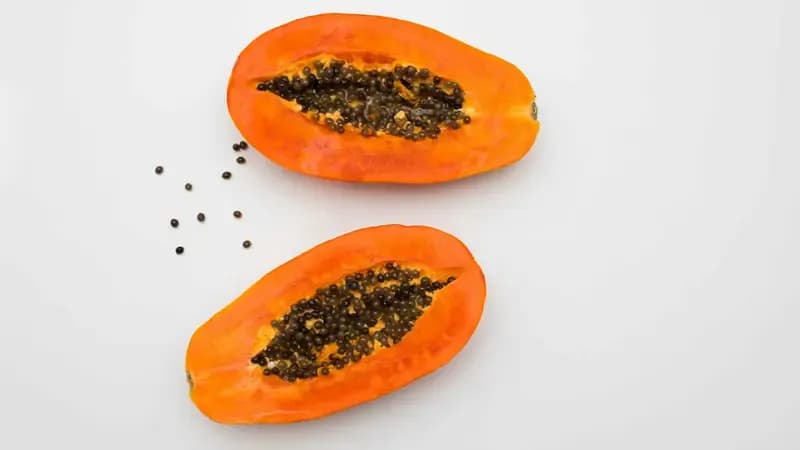
Papaya, a tropical fruit rich in vitamins, minerals, and enzymes, has been revered for its health benefits for centuries.
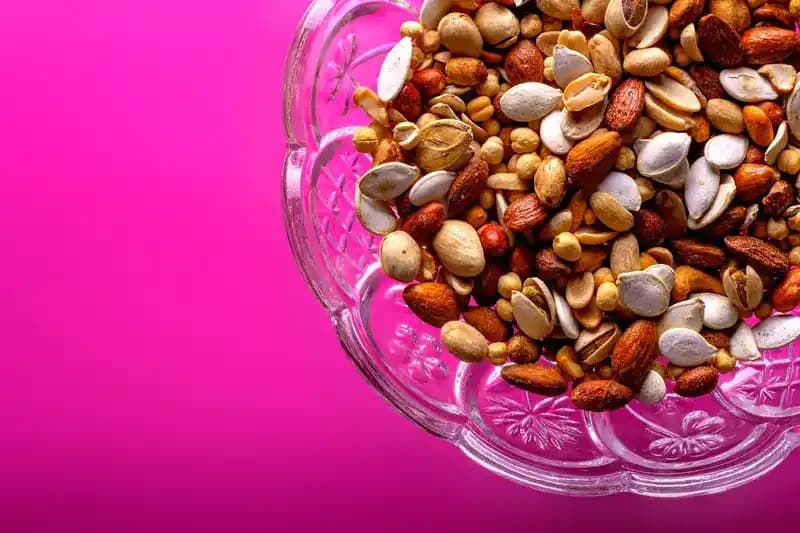
Dry fruits have long been celebrated for their exceptional nutritional content and numerous health benefits.

In the quest for maintaining health and vitality, the choices we make in our diets play a crucial role, especially as we age.

Maintaining a healthy diet is crucial for preventing chronic diseases, boosting immunity, and promoting overall well-being.
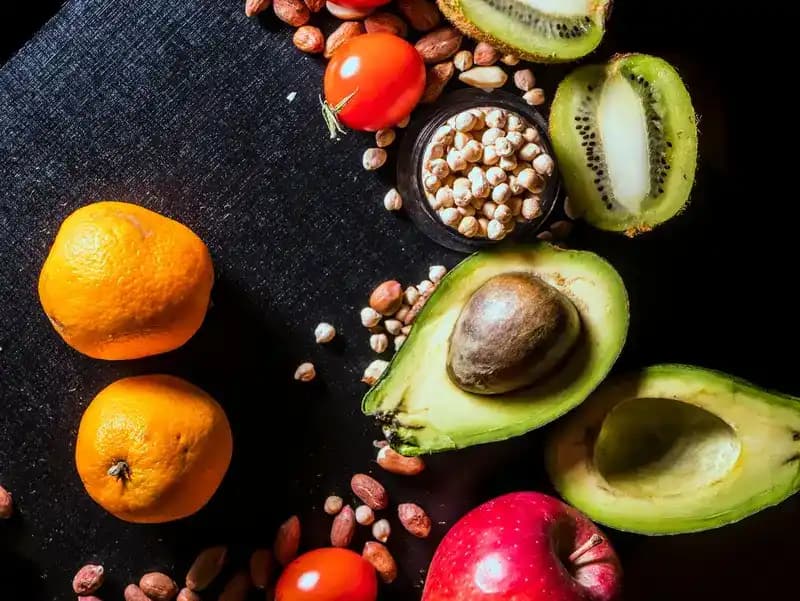
Gaining weight can be a challenge for many individuals.
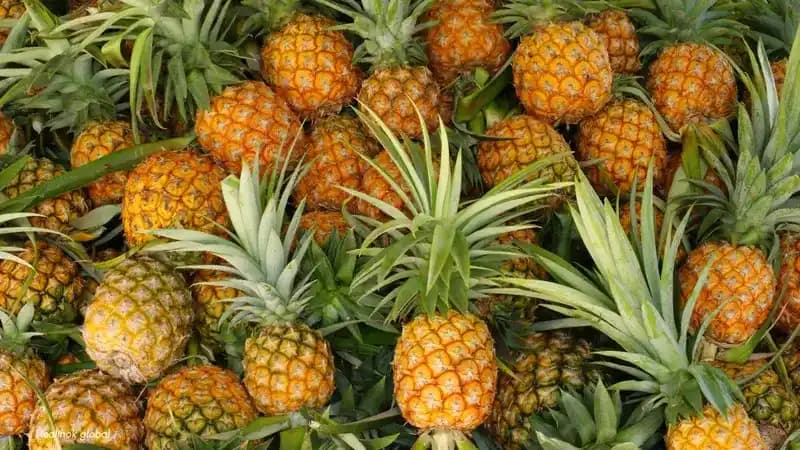
From aiding digestion to boosting immunity, pineapple is a tropical treasure. Explore the top pineapple benefits, calories, juice uses, and pregnancy-related facts.

Explore the connection between yoga and digestive health. Discover specific yoga poses, their benefits for relieving constipation, and case studies illustrating their effectiveness.

Explore the numerous health benefits of strawberry shake, a nutritious beverage. This guide provides essential information on the nutritional value of strawberry shake and how it can support a healthy lifestyle.
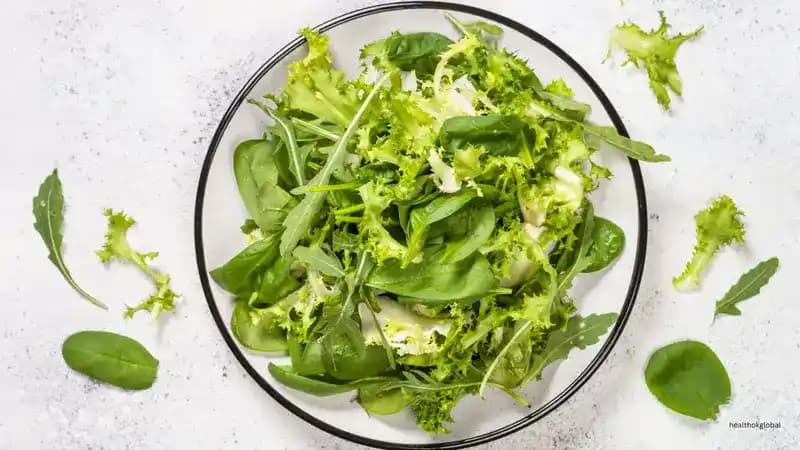
Salad leaves are a nutrient-packed addition offering numerous health benefits.

Online communities offer relatable personal experiences, but these stories can be misleading when mistaken for medical advice. Learn how to use them effectively as a starting point for questions, not as a final authority.

Constipation is a common digestive issue characterized by infrequent bowel movements, difficulty passing stools, and hard or dry stools.

Losing weight is a journey that involves a combination of nutrition, exercise, and lifestyle changes.

Constipation is a common condition affecting millions worldwide. Learn effective strategies, including dietary changes, natural remedies, and lifestyle habits, for long-term constipation relief and improved digestive health.

Expert answers from our medical team
Trillions of bacteria, fungi, and viruses live in your gut — mostly beneficial, helping digest food, make certain vitamins, train the immune system, and influence mood. A diverse, balanced microbiome is linked to better health; an imbalanced one (dysbiosis) is linked to IBS, obesity, autoimmune conditions, and mental health issues. What you eat is the single biggest lever you have.
Some do, for specific situations: after antibiotics to reduce diarrhoea, in certain IBS presentations, and for children with acute gastroenteritis. The evidence for taking a probiotic pill daily for general health is weak. Probiotics vary hugely by strain and quality — most claims on packaging aren't backed by strong trials. A doctor can suggest a specific probiotic when there's a specific reason.
Fibre from a variety of plants — vegetables, fruits, whole grains, pulses, nuts, seeds. Fermented foods like curd, buttermilk, idli/dosa batter, kanji, kombucha, sauerkraut. Diversity matters more than quantity of any single food — aim for 30+ different plants a week if you can. Ultra-processed foods, artificial sweeteners, and excess sugar hurt microbiome diversity.
Not usually — but they cause temporary disruption. Most gut communities recover in a few weeks to months after a course of antibiotics. Recovery is better with a fibre-rich, plant-diverse diet during and after. Repeated or unnecessary antibiotic courses cumulatively harm diversity, which is one more reason not to use antibiotics for viral illnesses.
Yes — this is one of the most active research areas in medicine. The gut and brain communicate constantly through nerves, immune signals, and microbial metabolites. Poor gut health is linked to worse mood, more anxiety, and dysregulated immunity — though 'linked' doesn't mean 'proven cause'. Improving diet quality is a low-risk, high-upside experiment for many people with mood or immune concerns.
Questions from our community members
Ask our medical community. Your question may help others with similar concerns.
Verified specialists across India