The Surprising Health Benefits of Pickles: A Tangy Treat

The Surprising Health Benefits of Pickles: A Tangy Treat

Overview

Pickles have been a staple in cuisines around the world for centuries, not just for their unique taste but also for their numerous health benefits.

Introduction

Pickles have been a staple in cuisines around the world for centuries, not just for their unique taste but also for their numerous health benefits. From the classic dill pickle to the nutritious pickle juice, each variety of pickle comes with its own set of health advantages. In this post, we'll delve into the health benefits of pickles, shedding light on pickle juice, pickled beets, dill pickles, and pickled cucumbers, and how they contribute to a healthier lifestyle.

Health Benefits of Pickle Juice: More Than Just a Brine

Often discarded, pickle juice is actually a liquid treasure trove of electrolytes, vitamins, and minerals, offering several health benefits of pickles in a drinkable form. It's particularly rich in sodium and potassium, making it an excellent remedy for dehydration and muscle cramps. Athletes have been known to consume pickle juice to prevent muscle cramps during events, thanks to its ability to swiftly replenish lost electrolytes.

Aiding Digestion and Supporting Weight Loss

Highlighting the health benefits of pickles, pickle juice boasts probiotic properties, assuming the pickles are naturally fermented. These probiotics can help balance the gut flora, aiding in digestion and even boosting the immune system. Moreover, the vinegar in pickle juice can promote weight loss by helping to control blood sugar levels, making it a beneficial drink for those looking to shed some pounds.

Health Benefits of Pickled Beets: A Nutrient-Dense Snack

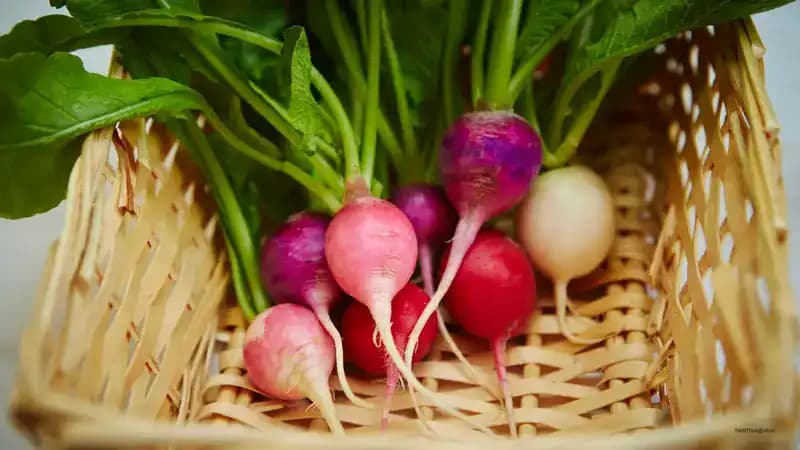
Pickled beets, a delicious and nutrient-packed snack, embody the health benefits of pickles through their high fiber, vitamins A and C, and essential minerals like potassium and magnesium content. The pickling process not only preserves these nutrients but also adds probiotics, enhancing gut health. The high nitrate content in beets can improve cardiovascular health by lowering blood pressure and enhancing blood flow.

Antioxidant Powerhouse

Beyond their nutrient content, pickled beets are rich in antioxidants, particularly betalains, which give beets their vibrant color and are part of the broad health benefits of pickles. These antioxidants have anti-inflammatory properties and can protect against certain types of cancer and chronic diseases. Incorporating pickled beets into your diet is an easy way to boost your antioxidant intake.

Health Benefits of Dill Pickles: The Classic Favorite

Dill pickles, known for their tangy and sharp flavor, are more than just a tasty condiment. They contribute to the health benefits of pickles by providing a modest amount of vitamin K, essential for bone health, and vitamin A, which supports eye health. The dill herb itself has been linked to health benefits, including digestive aid and antibacterial properties, making dill pickles a beneficial addition to any meal.

Low in Calories, Rich in Flavor

For those watching their calorie intake, dill pickles are a low-calorie snack option that doesn't skimp on flavor, aligning with the health benefits of pickles. Their high water content can help you feel full, reducing the likelihood of overeating and supporting weight management efforts.

Health Benefits of Pickled Cucumbers: Beyond the Basics

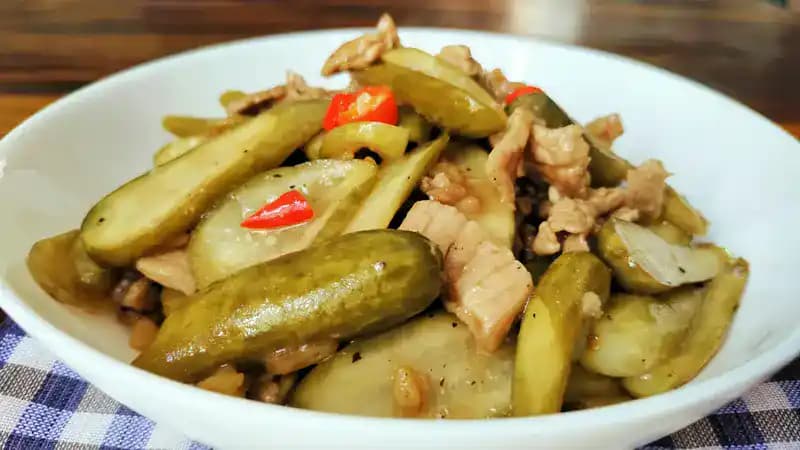
Pickled cucumbers, the most common type of pickle, share many of the health benefits of their pickled relatives. They're low in calories yet can be a good source of vitamin K, essential for blood clotting and bone health. Like other pickled foods, if fermented, they can provide probiotics beneficial for gut health.

Hydration and Muscle Cramp Relief

The high water and electrolyte content in pickled cucumbers make them excellent for hydration and preventing muscle cramps, similar to pickle juice. This makes them a great snack for athletes or anyone engaged in physical activity, especially during hot weather, showcasing the versatile health benefits of pickles.

Incorporating Pickles Into Your Diet: A Balance of Taste and Health

While pickles and their related products offer numerous health benefits, it's important to consume them in moderation due to their high sodium content. Opting for low-sodium versions or consuming them as part of a balanced diet can help mitigate any potential downsides. Remember, the key to reaping the health benefits of pickles lies in variety and moderation.

Conclusion: A World of Flavor and Health

The health benefits of pickles, alongside pickle juice, pickled beets, dill pickles, and pickled cucumbers, make them a versatile and nutritious addition to any diet. Whether you're looking for a low-calorie snack, a probiotic boost, or electrolyte replenishment, pickles have something to offer. So next time you reach for a jar of pickles, remember you're not just indulging in a tangy treat but also giving your body a healthful boost.
Frequently Asked Questions

Are pickles and Indian achaar good for gut health?

It depends on how the pickle is made. Naturally fermented pickles, where vegetables are submerged in saltwater brine and left to ferment (lacto-fermentation), develop live Lactobacillus bacteria that are genuine probiotics with measurable gut health benefit. Traditional Indian achaar made with oil+salt without vinegar sits in a grey zone: the salt and oil inhibit fermentation, so most commercial achaar has few or no live cultures. Vinegar-based pickles (most commercial Western dill pickles, gherkins) are pasteurised, the vinegar acidifies but kills bacteria, so there is no probiotic benefit. For gut health: choose traditional home-made kanji (carrot/beetroot fermented water), sun-fermented achaar, or commercially labelled "live culture" or "unpasteurised" pickles. Read the label, if it lists vinegar and is shelf-stable without refrigeration, it likely has no live cultures.

Does pickle juice actually stop muscle cramps? What does the research say?

Yes, and faster than most people expect. A landmark 2010 study in Medicine & Science in Sports & Exercise found that 75ml of pickle juice stopped electrically-induced muscle cramps in 85 seconds, 45% faster than water and 37% faster than no treatment. The key finding: the effect was too fast for electrolyte absorption (electrolytes take 30+ minutes to enter the bloodstream). The current leading hypothesis is that acetic acid (vinegar) in pickle juice triggers a reflex through oropharyngeal receptors that inhibits the misfiring motor neurons causing the cramp, a neurological mechanism, not a hydration one. Practically: 60–90ml of commercially available pickle juice (about 2–3 oz) at the onset of cramp is the evidence-based dose. This is particularly useful for athletes in hot conditions. Caution: pickle juice is high in sodium (~900mg per 100ml), not suitable as a regular recovery drink for people with hypertension or kidney disease.

How much pickle or achaar is safe to eat daily if I have high blood pressure?

This is where caution is warranted. Standard Indian achaar has 1,200–2,000mg of sodium per 100g, a single tablespoon (about 15g) delivers 180–300mg sodium. The Indian RDA for sodium is 2,000mg/day (WHO recommends <2,000mg), and most Indians already exceed this from cooking. For hypertensives: limit to ½ teaspoon (5–8g) of achaar per day maximum; prefer freshly made chutneys over stored achaar; avoid commercially bottled achaar (preservative salt levels are highest). Pickled beets are the safest option, home-pickled or lightly brined, they deliver nitrates that actually lower blood pressure by producing nitric oxide (a 2013 meta-analysis in Hypertension found beet nitrates lower systolic BP by 4.4 mmHg). If you have stage 2 hypertension or are on diuretics, discuss pickle intake with your doctor before including it regularly.

Do pickles help with constipation or weight loss?

For constipation: live-culture fermented pickles can modestly support bowel regularity by improving gut microbiome diversity. The fibre in pickled vegetables (cucumbers, carrots, beets) also contributes, though pickling reduces fibre content vs. fresh vegetables by 10–20%. The acetic acid in vinegar-based pickles stimulates gastric acid secretion, which may improve overall digestive motility. For weight loss: pickles and achaar are very low calorie (10–20 kcal per 30g serving). The sour taste can reduce appetite and curb overeating at meals (a function of the parasympathetic response to acidic taste). However, the high sodium content causes water retention, which can temporarily increase weight on scales, this is not fat gain, but it misleads people who weigh themselves daily. Net effect: modest appetite-management benefit, useful as a low-calorie condiment, not a weight loss intervention in itself.

Questions About This Article

Have a question? Ask the author directly.

Have a question about this article?

Ask Zocvi Editorial directly. Your question may help others with similar concerns.

Q:1 answer
Q:1 answer
Q:1 answer
Q:1 answer

Comments (0)

Found this helpful? Share it!

LinkedInWhatsApp

More from Zocvi Editorial

Other Articles You May Like

Find a Doctor for Healthy Diet Plans

Verified specialists across India

Dr. Saloni Kabra

Homoeopath

7 yrs

Indore

Homeopathic Hooman Clinic
Chhatribag, Near Shri Devi Ahilya Shishu Vihar School, Indore, Madhya Pradesh, 452002
₹800 consultation
EmailWhatsApp

Dr. Mahesh Sulakshane

Book Online

Paediatrician

22 yrs

Pune

Dr. Sulakshane Multi Speciality Clinic
Pune, Pune, Maharashtra, 411007
₹700 consultation
EmailWhatsApp

Dr. Prashant Jain

Ayurvedic Doctor

12 yrs

Delhi

Nirmal Ayurved
Shahdara – Jyoti Nagar West, Delhi, Delhi, 110094
Fee on request
EmailWhatsApp

Dr. Sushma Jadhav

Book Online

General Physician

22 yrs

Pune

SarvAadi Health and Geriatic Clinic
Laxman Nagar, Baner, Pune, Pune, Maharashtra, 411045
₹500 consultation
EmailWhatsApp