
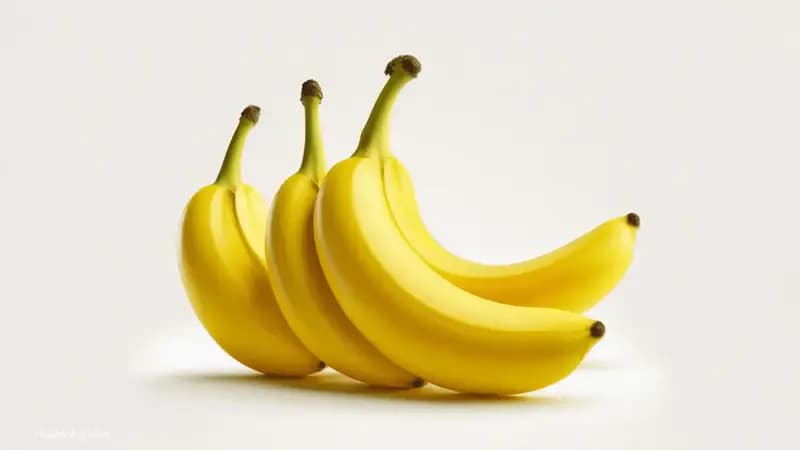
Introduction
Bananas are one of the most widely consumed fruits globally, praised for their taste, convenience, and nutritional richness. This blog uncovers the health benefits of bananas, from digestive wellness to energy boosts, while highlighting how they fit into a balanced diet.
Nutritional Value of Bananas
Bananas are naturally fat-free and cholesterol-free, making them ideal for health-conscious individuals. A medium banana offers:
Roughly 105 calories, 27g carbs, 3g fiber, 1.3g protein, and minimal fat.
Calories and Macronutrients
Bananas contain potassium (12% DV), vitamin C, B6, and magnesium. These support blood pressure regulation, immunity, and muscle function.
Vitamin and Mineral Content
Top Health Benefits of Bananas
Bananas offer several scientifically supported health perks:
Rich in fiber and prebiotics, bananas promote gut health and relieve constipation.
Supports Digestive Health
The combination of natural sugars and fiber provides quick yet sustained energy.
Boosts Energy Levels
High potassium and low sodium levels help maintain blood pressure and cardiovascular function.
Promotes Heart Health
Low in calories and high in satiety-inducing fiber, bananas can help curb hunger.
Aids in Weight Management
Bananas have dopamine and catechins that help combat oxidative stress and inflammation.
Contains Antioxidants
Popular Types of Bananas
There are over 1,000 banana varieties globally. The most common include:
The standard yellow banana found in most markets.
Cavendish
Starchier and typically cooked, ideal for savory dishes.
Plantain
Sweeter with a reddish-purple peel, rich in vitamin C and beta carotene.
Red Banana
Miniature bananas known for their super-sweet flavor.
Lady Finger
Creative Ways to Include Bananas in Your Diet
Whether raw or in recipes, bananas are highly versatile:
Add banana, milk, and nuts to make a high-protein banana shake with benefits for post-workout recovery.
1. Banana Shakes
A fiber-rich, naturally sweetened alternative to desserts.
2. Banana Bread
Mix mashed banana with oats or egg for gluten-free, wholesome pancakes.
3. Banana Pancakes
The quick energy release from banana sugar makes it a perfect exercise snack.
4. Banana as Pre-Workout Fuel
Bananas and Morning Consumption
Eating a banana on an empty stomach is common, but combining it with a source of protein or fat (like peanut butter) helps slow sugar absorption.
Case Study: Bananas and Digestive Wellness
Priya, a 29-year-old professional, suffered from frequent bloating. After switching her sugary morning cereal with banana oats and incorporating fiber-rich fruit like bananas and papaya seeds, she reported improved digestion and fewer energy crashes.
Related Benefits: Try Sweet Lime Juice
For hydration and immunity, consider combining banana shakes with sweet lime juice. The citrus adds vitamin C, aiding nutrient absorption from bananas.
FAQs About Bananas
Yes, it’s low in calories and high in fiber, helping you feel full.
Is banana good for weight loss?
Yes, a medium banana has about 1.3 grams of protein. Combine with nuts for a balanced snack.
Does banana contain protein?
In wild bananas, yes. But commercial bananas have tiny, non-functional seeds.
Are banana seeds edible?
Absolutely, unless you have a condition like chronic kidney disease.
Can bananas be eaten daily?
Conclusion
Bananas are nature’s energy bar—nutrient-rich, portable, and delicious. Whether it’s for digestive health, heart wellness, or workout fuel, bananas deliver benefits across all age groups. Add them to your meals creatively and enjoy the natural goodness every day.
Connect With Zocvi
Zocvi simplifies healthcare with expert guidance, access to affordable medicines, and personalized health plans. Chat with our FREE 24 x 7 Helpline at +91-92724-57637 for support anytime.








Comments (0)