
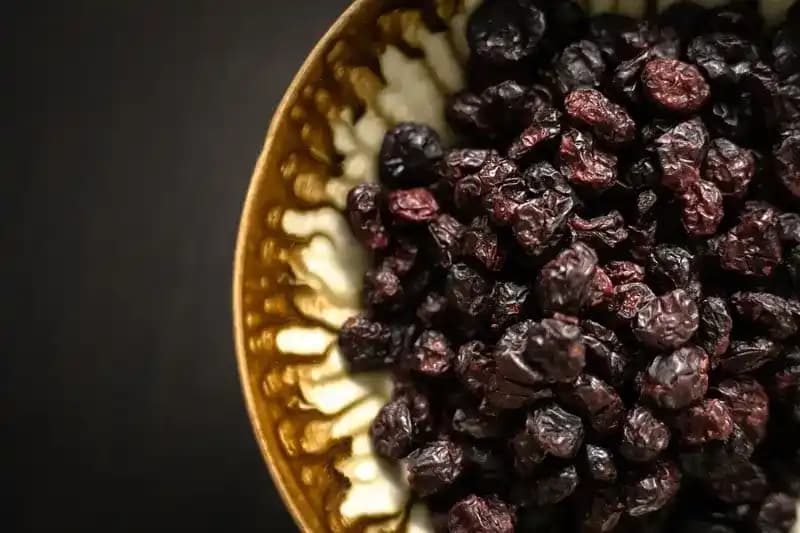
Introduction: Why Raisins Are a Superfood
Raisins, the dried form of grapes, have been consumed for thousands of years due to their incredible health benefits. These tiny, wrinkled fruits are packed with essential vitamins, minerals, antioxidants, and fiber, making them a perfect snack for people of all ages. According to the USDA, a 100g serving of raisins provides approximately 299 calories, 3.7g of fiber, and 15% of the daily recommended intake of iron. Their natural sweetness and long shelf life make them a convenient and nutritious choice for a balanced diet.
Nutritional Value of Raisins: A Closer Look
Raisins are rich in essential nutrients that contribute to overall well-being. A single serving (100g) contains:
A 100g serving of raisins provides **3.7g of fiber**, supporting **digestive health** and preventing constipation.
1. High in Fiber
Raisins contain **flavonoids, phenolic acids, and polyphenols**, which help combat oxidative stress and reduce inflammation.
2. Rich in Antioxidants
Raisins provide **iron, calcium, and potassium**, all of which contribute to **bone strength, blood health, and muscle function**.
3. Source of Essential Minerals
Health Benefits of Raisins: What Science Says
Numerous studies have highlighted the health benefits of raisins. A study published in the *Journal of Nutritional Health* found that regular raisin consumption can help regulate blood sugar levels and reduce the risk of Type 2 diabetes.
Research from the *American College of Cardiology* indicates that **raisins help lower blood pressure**, reducing cardiovascular risks.
1. Supports Heart Health
Raisins contain **calcium and boron**, which are vital for **bone density and reducing osteoporosis risks**.
2. Enhances Bone Strength
The **iron content in raisins** helps prevent **iron-deficiency anemia**, supporting **red blood cell production**.
3. Helps Prevent Anemia
How to Include Raisins in Your Diet
Adding raisins to your daily diet can be both delicious and beneficial.
Sprinkle raisins on **oatmeal, cereal, or yogurt** for a natural sweetness and nutritional boost.
1. Breakfast Boost
Use raisins in **muffins, bread, or cookies** to enhance flavor and texture naturally.
2. Healthy Baking
Add raisins to **curries, rice pilafs, or stuffing** for a delicious sweet and tangy twist.
3. Savory Dishes
Conclusion: A Small Snack with Big Benefits
Raisins are a powerhouse of essential nutrients that contribute to various health benefits, from improved digestion to better heart health. Their versatility allows them to be incorporated into numerous dishes, making them a great addition to any diet. While they should be consumed in moderation, their natural sugars and rich nutrient profile make them an ideal choice for a healthy snack. Whether you are looking to boost your iron intake, improve digestion, or simply enjoy a tasty and nutritious treat, raisins are an excellent choice. Don't forget to explore maid services in Hyderabad for assistance with maintaining a healthy lifestyle at home.
FAQs About Raisins
It is recommended to consume about **1/4 cup (40-50g) of raisins daily** for optimal health benefits.
1. How many raisins should I eat per day?
Yes, in moderation. Research shows that raisins can help **regulate blood sugar levels** when consumed in controlled portions.
2. Can diabetics eat raisins?
Yes, raisins help with **satiety and prevent overeating**, but portion control is crucial as they are calorie-dense.
3. Are raisins good for weight loss?
Yes, raisins support **bone health, digestion, and iron levels**, making them an excellent choice for seniors. Learn more about elderly nutrition in our comprehensive guide on senior care services.
4. Are raisins beneficial for seniors?
About Zocvi
Zocvi connects patients with verified doctors and evidence-based health guidance. Visit zocvi.com or reach us on WhatsApp at +91-92724-57637.









Comments (0)