
Introduction
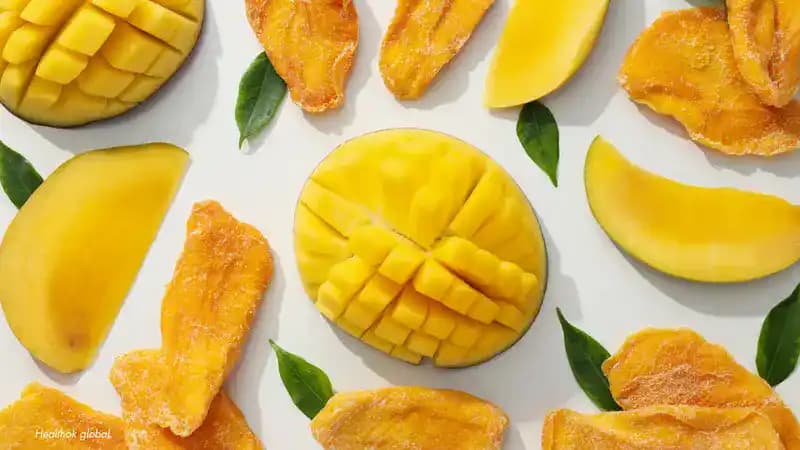
Mango, often called the 'king of fruits,' is more than a seasonal delight—it’s a powerhouse of flavor, nutrition, and wellness. Rich in vitamins, antioxidants, and bioactive compounds, mango fruit has been enjoyed for thousands of years across cultures. This blog explores mango benefits, varieties, juice, calories, nutrition, and ways to incorporate it into a healthy lifestyle.
Mango Nutrition and Mango Calories
Mango is not only delicious but also incredibly nutritious. Here’s what 100g of ripe mango fruit typically offers:
A 100g serving of mango provides approximately 60 calories, making it a relatively low-calorie, energy-boosting snack.
Mango Calories
Mangoes are rich in vitamin C, vitamin A, vitamin E, potassium, magnesium, and B-complex vitamins. They also contain antioxidants like beta-carotene and polyphenols.
Key Nutrients
Top 10 Mango Benefits for Health
Mangoes offer a variety of health advantages. Here are the top ten mango benefits, backed by science:
Rich in vitamin C and vitamin A, mango strengthens your immune system and helps your body fight infections.
Boosts Immunity
Mango contains digestive enzymes like amylase and fiber, aiding in digestion and preventing constipation.
Promotes Digestive Health
The antioxidants and vitamins in mango fruit promote collagen production, reduce acne, and nourish the scalp.
Enhances Skin and Hair
The high fiber, pectin, and vitamin C content in mango help lower bad cholesterol levels.
Regulates Cholesterol
Beta-carotene and vitamin A in mango support healthy vision and may reduce the risk of macular degeneration.
Supports Eye Health
Mango juice and mango shake are great hydrating options rich in potassium, helping restore electrolyte balance.
Hydration and Electrolyte Balance
The fiber in mango supports beneficial gut bacteria and may reduce inflammatory markers.
Improves Gut Microbiota
Mango contains glutamine acid, which supports memory and concentration.
Boosts Brain Health
Although sweet, mango has a low glycemic index and its polyphenols may aid in blood sugar regulation.
Controls Blood Sugar (In Moderation)
With iron and vitamin C, mango supports iron absorption, beneficial for people with low hemoglobin.
Helps Prevent Anemia
Popular Mango Varieties in India and Worldwide
There are over 1,000 mango types globally. Here are some popular mango varieties you should know:
Rich, creamy, and aromatic—considered the gold standard of mangoes.
Alphonso (Hapus)
Sweet and fragrant, mostly grown in North India.
Dasheri
Known for its distinct flavor and greenish skin.
Langra
Tangy-sweet, commonly used for mango juice and mango pickle.
Totapuri
A common export variety with long shelf life.
Tommy Atkins
Mango Juice and Mango Shake: Liquid Energy
Mango juice and mango shake are not just tasty—they are loaded with health benefits. Mango juice provides hydration and nutrients quickly, while mango shake, when combined with milk and nuts, offers a complete pre- or post-workout drink.
Mango Leaves and Their Medicinal Use
Mango leaves have been used in traditional medicine to manage diabetes, high blood pressure, and respiratory issues. Dried mango leaf powder is often used in herbal teas for its anti-inflammatory and antioxidant properties.
Mango Meadows: A Sustainable Mango Experience
Mango Meadows, a famous eco-village in Kerala, India, not only grows a wide range of mango types but also promotes sustainable farming. It’s a must-visit for mango lovers and health-conscious travelers.
Case Study: Mango for Energy and Digestion
FAQs About Mango
1 medium-sized mango per day is ideal for most people. Balance with other fruits.
How many mangoes can I eat in a day?
Fresh mango juice in moderation does not cause weight gain. Avoid added sugar.
Does mango juice increase weight?
Yes, mango leaves are used in teas and Ayurvedic medicine for various health benefits.
Are mango leaves edible?
Yes, in small portions. It has a low to moderate glycemic index. Consult your doctor first.
Is mango safe for diabetics?
Conclusion
Mango is not just a summer fruit—it’s a complete package of nutrition and flavor. From mango leaves to mango juice, every part offers a health benefit. Whether you’re enjoying a ripe Alphonso or sipping a mango shake, embrace mango as part of a balanced diet.










Comments (0)