
Introduction
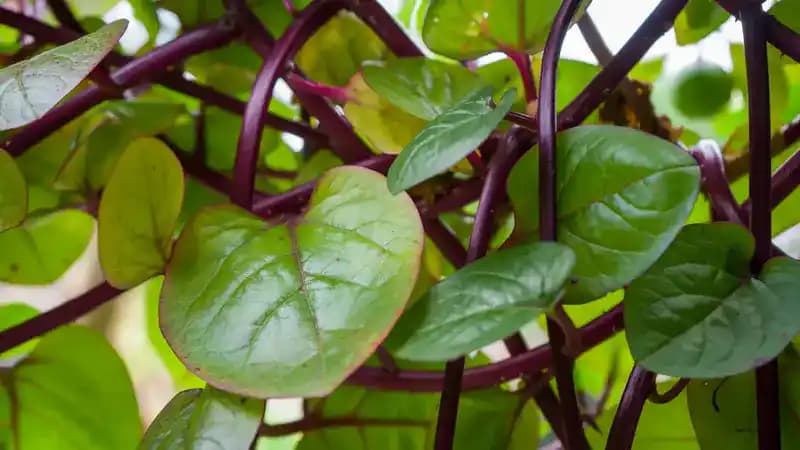
Malabar spinach, scientifically known as Basella alba, is a tropical vine and a powerhouse of nutrients. This leafy green is popular in many Asian and African cuisines, known for its slightly tangy taste and thick texture. Beyond its culinary appeal, Malabar spinach is packed with essential vitamins, minerals, and antioxidants that promote overall health. This guide delves into the nutritional profile, benefits, and usage of Malabar spinach, offering valuable insights for incorporating it into your diet.
Nutritional Profile of Malabar Spinach
Malabar spinach is an excellent addition to any healthy diet, offering low calories and a high concentration of essential nutrients. It is particularly valued for its:
Packed with vitamins A, C, and E, Malabar spinach promotes healthy vision, strong immunity, and youthful skin. Vitamin A supports eye health, while vitamin C acts as a powerful antioxidant.
1. Rich in Vitamins
High in calcium, magnesium, and iron, it strengthens bones, improves muscle function, and enhances oxygen transport throughout the body.
2. Mineral Content
Its fiber content aids digestion, prevents constipation, and helps regulate blood sugar levels, making it a great choice for weight management.
3. Fiber for Digestive Health
Malabar spinach contains beta-carotene, lutein, and other antioxidants that combat free radicals, reducing the risk of chronic diseases.
4. High Antioxidant Levels
With over 90% water content, it keeps you hydrated and supports skin elasticity.
5. Hydration Boost
Health Benefits of Malabar Spinach
Including Malabar spinach in your meals can significantly improve your health. Here’s how:
The high beta-carotene content ensures optimal eye health and reduces the risk of macular degeneration and night blindness.
1. Supports Vision
Vitamins C and E strengthen the immune system, reducing susceptibility to infections and boosting recovery times.
2. Enhances Immunity
Potassium helps balance blood pressure, while magnesium relaxes blood vessels, improving heart function.
3. Promotes Cardiovascular Health
Low in calories but high in fiber, Malabar spinach keeps you full longer and aids in healthy weight loss.
4. Aids Weight Management
Its anti-inflammatory compounds help alleviate symptoms of arthritis and other inflammatory conditions.
5. Anti-Inflammatory Effects
How to Use Malabar Spinach in Your Diet
Malabar spinach is versatile and can be included in various dishes. Here’s how you can make the most of this nutritious vegetable:
Add raw Malabar spinach leaves to salads for a crunchy and nutrient-dense meal.
1. Fresh Salads
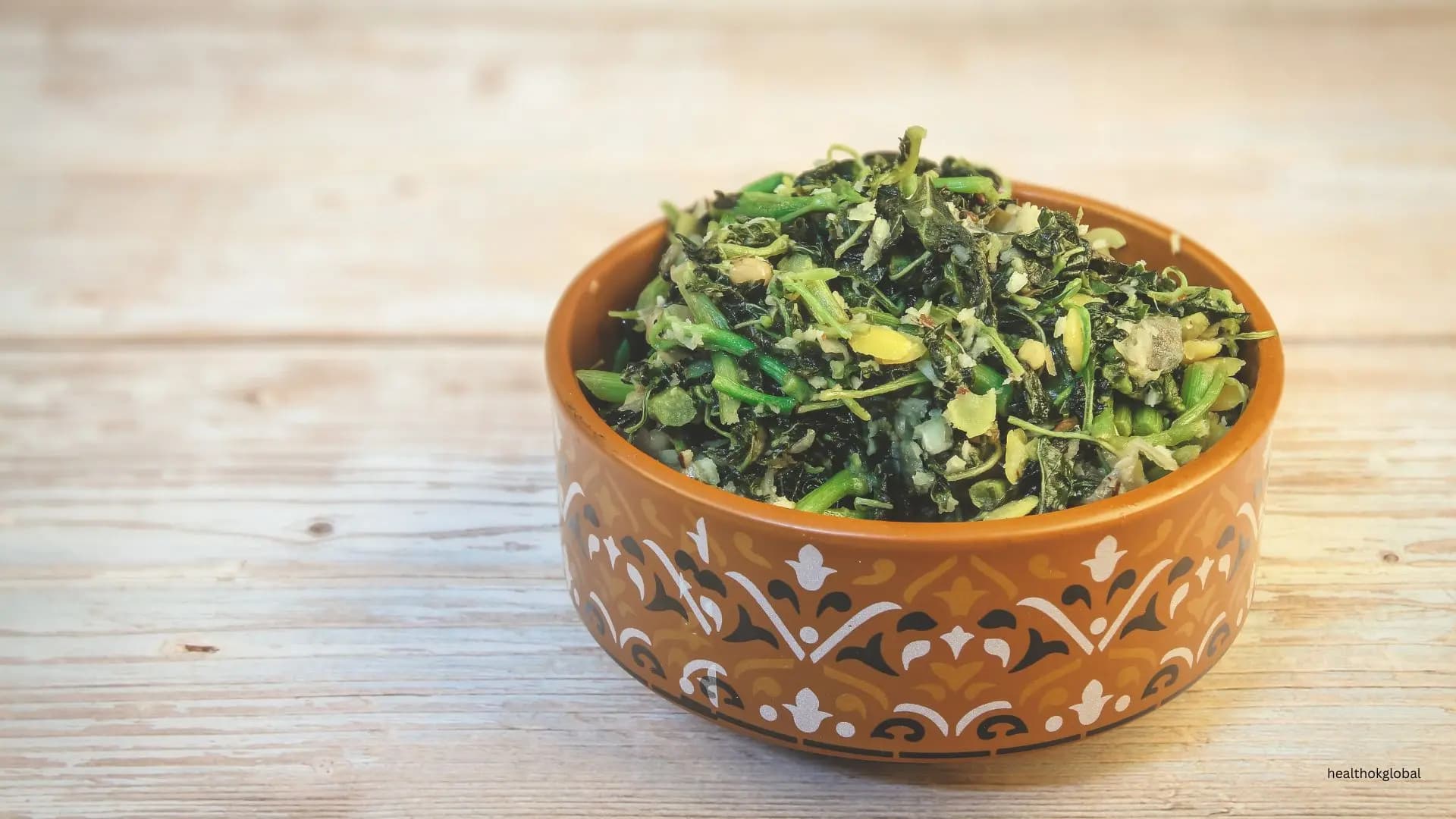
Lightly sauté with garlic and olive oil for a flavorful side dish.
2. Sautéed Side Dish
Enhance soups and stews by adding chopped Malabar spinach for extra texture and nutrition.
3. Soups and Stews
Blend Malabar spinach with fruits like bananas and berries for a nutritious green smoothie.
4. Smoothies
Precautions and Considerations
While Malabar spinach is generally safe for most people, it’s important to consider the following:
Overeating can cause digestive discomfort due to its high fiber content.
1. Excessive Consumption
Individuals allergic to leafy greens should test small portions first.
2. Allergies
FAQs about Malabar Spinach
Yes, it’s low in calories and high in fiber, making it excellent for weight management.
Is Malabar spinach suitable for weight loss?
Absolutely! It’s delicious when sautéed, added to soups, or included in curries.
Can I cook Malabar spinach?
Its combination of vitamins A, C, and antioxidants like lutein and beta-carotene is noteworthy.
What nutrients make Malabar spinach unique?
Conclusion
Malabar spinach is a nutrient-dense superfood that offers a variety of health benefits. From promoting eye health to boosting immunity and supporting digestion, it is a must-have for a balanced diet. By exploring creative ways to include it in meals, you can enjoy its delicious taste and health-enhancing properties.
About Zocvi
Zocvi connects patients with verified doctors and evidence-based health guidance. Visit zocvi.com or reach us on WhatsApp at +91-92724-57637.












Comments (0)