Unlock the Nutritional Power of Corn Flour: Health Benefits Explained

Unlock the Nutritional Power of Corn Flour: Health Benefits Explained

Overview

Corn flour is a nutrient-rich ingredient with several health benefits, including digestive support, energy boost, and heart health enhancement.

Introduction

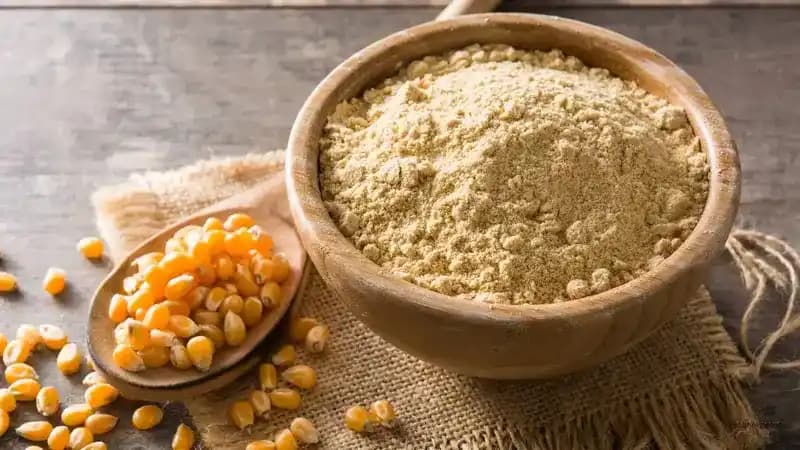
Corn flour is a versatile and nutrient-rich ingredient derived from dried corn kernels. It is widely used in global cuisines and offers various health benefits. From boosting digestion to providing essential vitamins, incorporating corn flour into your diet can significantly enhance your overall well-being.

Nutritional Profile of Corn Flour

Corn flour is packed with essential nutrients, making it a healthy addition to any diet. It contains complex carbohydrates, vitamins, minerals, fiber, and antioxidants. Here’s a closer look at its nutritional content:
Corn flour is an excellent source of B-complex vitamins, including B1 (thiamine), B6 (pyridoxine), and folate, which play a crucial role in brain function and metabolism.

Rich in Essential Vitamins

Corn flour contains essential minerals like magnesium, phosphorus, iron, and zinc, which contribute to bone strength, oxygen transport, and immune function.

Mineral-Rich

The dietary fiber in corn flour promotes gut health by improving digestion and regulating bowel movements.

High in Fiber

Corn flour contains antioxidants such as lutein and zeaxanthin, which help protect against oxidative stress and support eye health.

Powerful Antioxidants

Top Health Benefits of Corn Flour

Incorporating corn flour into your diet can provide numerous health benefits, including:
The fiber content in corn flour aids digestion, prevents constipation, and promotes gut microbiome balance.

1. Supports Digestive Health

Corn flour is a great source of complex carbohydrates that provide sustained energy, making it an excellent choice for athletes and active individuals.

2. Enhances Energy Levels

Corn flour is low in saturated fat and contains heart-friendly fiber, which can help lower cholesterol levels and reduce the risk of cardiovascular diseases.

3. Promotes Heart Health

Corn flour is naturally gluten-free, making it a suitable option for individuals with celiac disease or gluten intolerance.

4. A Gluten-Free Alternative

Magnesium and phosphorus in corn flour are crucial for maintaining strong and healthy bones, reducing the risk of osteoporosis.

5. Supports Bone Strength

Corn flour contains zinc, which plays a vital role in strengthening the immune system and reducing the duration of colds and infections.

6. Boosts Immunity

How to Use Corn Flour in Your Diet

Corn flour is incredibly versatile and can be used in a variety of dishes:
Use corn flour to prepare gluten-free bread, muffins, and pancakes.

Baking

Corn flour acts as a natural thickening agent for soups, gravies, and sauces.

Soups and Sauces

A light corn flour coating enhances the crispiness of fried vegetables and meats.

Fried Foods

FAQs About Corn Flour

Yes, the fiber content in corn flour promotes satiety and can help control appetite, making it beneficial for weight management.

Is corn flour good for weight loss?

In moderation, corn flour can be part of a diabetic diet, but it is advisable to consult a healthcare provider for personalized guidance.

Can people with diabetes consume corn flour?

Corn flour is finely ground, while cornmeal has a coarser texture and is used in different culinary applications.

What is the difference between corn flour and cornmeal?

Conclusion

Corn flour is a nutritious and versatile ingredient that can support overall health when consumed as part of a balanced diet. It offers digestive support, heart health benefits, and essential nutrients. Whether used in baking, thickening sauces, or preparing gluten-free meals, corn flour is an excellent addition to your kitchen.

About Zocvi

Zocvi connects patients with verified doctors and evidence-based health guidance. Visit zocvi.com or reach us on WhatsApp at +91-92724-57637.


Follow Zocvi

Stay connected with Zocvi for expert health advice. Follow us on Facebook, LinkedIn, and Instagram.

Frequently Asked Questions

What is the difference between corn flour, cornstarch, and makki ka atta — I keep seeing these used interchangeably?

This is genuinely confusing because the terms are used differently in different contexts in India. Here is the practical breakdown: Makki ka atta (maize flour / corn flour in North Indian context): made from whole dried corn kernels ground into flour; yellow-coloured; contains fibre, B vitamins, protein, and minerals; this is what the body of this article is primarily discussing. Used for: makki di roti (Punjabi), bhakri, masa for tortillas, polenta; nutritionally wholesome — this is what this article means by 'corn flour'. Cornstarch (cornflour in British English, commonly sold as 'cornflour' in Indian supermarkets): made from the starchy endosperm of corn only (germ + fibre removed); white, very fine powder; almost pure starch with minimal nutrients; used for: thickening soups, gravies, sauces (cornstarch + water slurry); baking (makes baked goods lighter); battering fried items; this is what many Indian recipes say 'cornflour' when they mean a thickener. Cornmeal: coarsely ground dried corn; between whole-kernel flour and polenta in texture; not widely used in Indian cooking but available in specialty stores; nutritional profile similar to makki atta but coarser. The nutrition discussed in this article's body (B vitamins, fibre, minerals, antioxidants lutein/zeaxanthin) applies to MAKKI KA ATTA (whole maize flour) — NOT to white cornstarch, which has essentially zero nutritional value beyond calories. When buying: if you want the nutritional benefits, choose makki ka atta or stone-ground maize flour (yellow, textured). If you want a thickener, choose cornstarch (white, very smooth, labelled 'cornflour' on packet).

Can people with diabetes eat corn flour (makki atta) — what is the actual glycaemic impact?

Makki ka atta (whole maize flour) has a moderate to moderately-high glycaemic index of approximately 65-70, which is similar to whole wheat atta (~60-65) and lower than refined white flour/maida (~85). For diabetics, the GI is less important than the total glycaemic load per meal: 1 small makki di roti (~30g makki atta, baked) = approximately 18-20g carbohydrates, 1.5g fibre → glycaemic load ~12 — manageable in a diabetic meal plan. The problem for diabetics is portion size, not the flour itself: traditional Punjabi makki di roti serving (2-3 large rotis) = 60-90g carbs, which significantly exceeds a diabetic meal's carbohydrate budget. Practical guidance for diabetics: (1) Limit to 1-2 small makki di rotis per meal; (2) Pair with high-fibre sarson saag or methi sabzi — the vegetable fibre further slows glucose absorption; (3) Eat with a protein (dal, paneer, curd) to blunt the postprandial spike; (4) Prefer stone-ground whole makki atta over refined versions — higher fibre = lower effective GI. Cornstarch (white cornflour, if you are using it to thicken a gravy): used in small quantities (1-2 tsp per dish), the glycaemic impact is negligible — you're consuming 5-7g of starch per serving. Do NOT use large quantities of cornstarch as a 'thickener' for diabetic gravies — use arrowroot powder (lower GI ~67 in large quantities) or psyllium husk (almost zero GI, high fibre) instead for diabetic-friendly thickening.

Is corn flour (makki atta) a good gluten-free alternative — is it safe for celiac disease?

Yes — whole maize flour (makki atta) is naturally gluten-free. It contains no wheat, barley, or rye proteins. For celiac disease patients: makki atta is a safe substitute for wheat flour in many applications. The binding protein in wheat (gluten) cannot be replicated by corn flour alone — corn flour lacks the elasticity that makes wheat dough stretchy and bread rise properly. Practical accommodations for celiac patients using makki atta: (1) Makki di roti: traditional preparation works without gluten (the roti is patted by hand on a wet cloth or board, not rolled; it naturally breaks apart at the edges — that is normal for gluten-free roti). Adding 1-2 tsp of psyllium husk or xanthan gum (available at specialty stores) helps with binding. (2) Gluten-free baking: corn flour blends well with rice flour, tapioca flour, or potato starch for muffins/cookies — typical ratio: 40% corn flour + 30% rice flour + 30% tapioca flour. (3) Thickening: cornstarch is preferable to wheat flour for gluten-free gravy thickening. Cross-contamination warning: most Indian mills that process makki atta also process wheat atta on the same equipment. For strict celiac patients, use certified gluten-free labelled maize flour or import dedicated GF corn flour brands. Dedicated GF brands available in India (metro cities): Bob's Red Mill, organic GF brands via specialty stores; look for 'certified gluten-free' on the packaging.

How does makki ka atta compare to whole wheat atta nutritionally — which should I use?

Both are nutritious whole-grain flours with meaningful differences. Per 100g flour (uncooked): Calories: makki atta ~365 kcal vs whole wheat atta ~340 kcal — similar. Protein: makki atta ~8g vs wheat atta ~12-13g — wheat atta leads for protein (important for vegetarians). Fibre: makki atta ~7g vs whole wheat atta ~10-12g — wheat atta leads for fibre. B vitamins: makki atta has excellent thiamine (B1) and niacin (B3); wheat atta has good folate and B6. Unique advantage of makki atta: lutein and zeaxanthin (carotenoid antioxidants — yellow pigments) — these are largely absent from wheat; support eye health (evidence for age-related macular degeneration prevention); makki atta is also slightly lower in gluten (important for those with wheat sensitivity but NOT celiac). Unique advantage of whole wheat atta: higher protein and fibre; broader amino acid profile; more compatible with most Indian recipes (chapati stays softer, easier to roll). Practical recommendation: use both, seasonally and regionally. Makki di roti in Punjabi winter (paired with sarson saag) is a nutritionally sound traditional combination — the two ingredients complement each other (greens provide iron/calcium that corn lacks; corn provides the carbohydrate base). Multi-grain atta (mix of whole wheat + makki + jowar + bajra): the gold standard — combines the nutritional strengths of all flours. ICMR-NIN 2024 guidelines recommend cereal variety rather than dependence on a single grain.

Questions About This Article

Have a question? Ask the author directly.

Have a question about this article?

Ask Zocvi Editorial directly. Your question may help others with similar concerns.

Q:1 answer
Q:1 answer
Q:1 answer
Q:1 answer

Comments (0)

Found this helpful? Share it!

LinkedInWhatsApp

More from Zocvi Editorial

Other Articles You May Like

Related Topics

Find a Doctor for Diabetes Lifestyle

Verified specialists across India

Dr. Ridhi Khanna

Dietitian & Nutritionist

14 yrs

Amritsar

Eat it Right
Joshi Colony, Amritsar, Punjab, 143001
₹500 consultation