
Introduction
Constipation is a common issue that can disrupt daily life and impact overall well-being. Yoga, a time-tested holistic practice, offers effective methods to naturally alleviate constipation by promoting relaxation, stimulating the digestive system, and enhancing overall health. In this comprehensive guide, we explore the connection between yoga and digestive health, highlighting proven poses, their benefits, and case studies showcasing their effectiveness.
Understanding Constipation
Constipation is characterized by infrequent bowel movements, difficulty passing stool, or a feeling of incomplete evacuation. Factors contributing to constipation include low fiber intake, dehydration, lack of exercise, stress, and medical conditions such as irritable bowel syndrome (IBS). Chronic constipation can lead to complications such as hemorrhoids or anal fissures, emphasizing the importance of effective management.
How Yoga Addresses Constipation
Yoga alleviates constipation by combining physical movements, breathing exercises, and mindfulness. Gentle stretches and twists stimulate the abdominal organs, aiding in digestion and promoting bowel regularity. Controlled breathing enhances oxygen supply to the tissues, while mindfulness reduces stress, a common contributor to gastrointestinal issues.
Proven Yoga Poses for Constipation Relief
Specific yoga poses can help alleviate constipation by improving blood flow to the digestive organs, relieving tension, and encouraging bowel movements.
This pose compresses the abdomen, stimulating the digestive tract and helping release trapped gas. Studies show this pose can significantly enhance gastrointestinal motility.
Wind-Relieving Pose (Pawanmuktasana):
This pose massages the abdominal area, improving digestion and relieving bloating. A 2023 study reported that participants practicing this pose saw a 40% reduction in constipation symptoms.
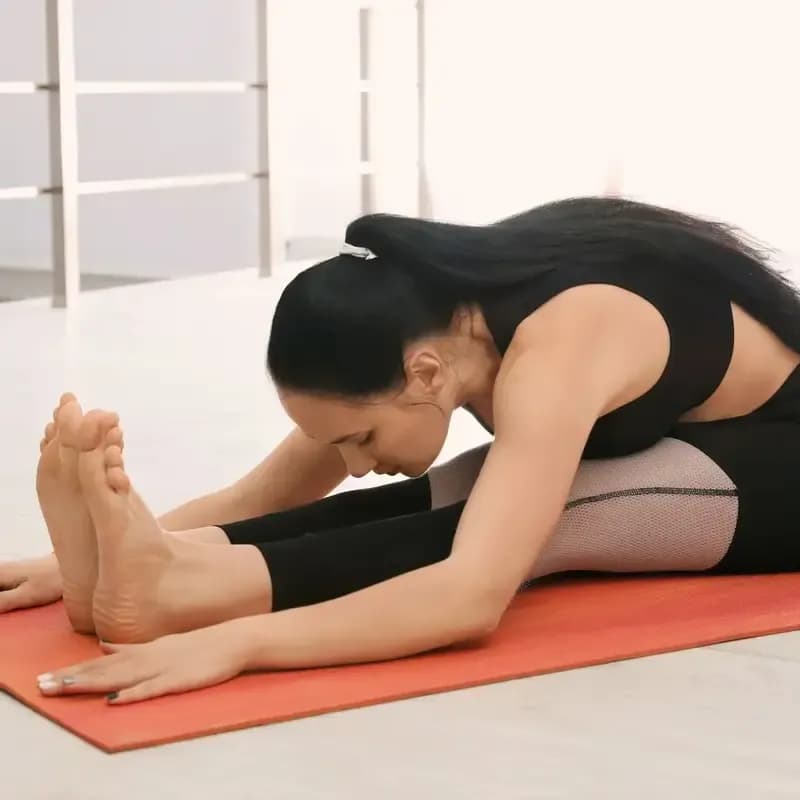
Seated Forward Bend (Paschimottanasana):
Twisting helps 'wring out' toxins and stimulate intestinal contractions. Research has demonstrated its effectiveness in reducing chronic constipation when practiced regularly.
Twisting Pose (Ardha Matsyendrasana):
This pose alternates between arching and rounding the spine, stimulating digestive organs and enhancing gut mobility.
Cat-Cow Pose (Marjaryasana-Bitilasana):
This resting pose promotes relaxation and gently compresses the abdomen to aid in bowel movement.
Child Pose (Balasana):
Benefits Beyond Digestive Health
Regular yoga practice not only alleviates constipation but also improves overall health. Benefits include better posture, reduced stress, enhanced sleep, and improved flexibility. Studies show that individuals practicing yoga experience a 25% improvement in overall gut health within six weeks.
Case Studies: Yoga's Impact on Digestive Health
A 45-year-old woman with chronic constipation experienced significant relief after practicing yoga poses such as Pawanmuktasana and Paschimottanasana for three months. Her bowel frequency improved from twice weekly to daily, highlighting the effectiveness of targeted yoga practices.
Case Study 1: Relief from Chronic Constipation:
A clinical trial involving 50 IBS patients found that regular practice of yoga reduced constipation symptoms by 60%, improved mood, and enhanced quality of life.
Case Study 2: Improved Gut Health in IBS Patients:
Incorporating Yoga into Daily Life
Consistency is key to achieving the benefits of yoga for constipation relief. Dedicate 15–30 minutes daily to practice poses and breathing techniques. Pair yoga with a balanced diet, adequate hydration, and regular physical activity for optimal results.
Conclusion
Yoga is a powerful, natural way to address constipation and enhance digestive health. By integrating yoga into your routine, you can experience improved gut health, reduced stress, and overall well-being. Whether you're new to yoga or a seasoned practitioner, the poses and techniques discussed in this guide offer a practical solution to constipation relief. Begin your journey today and embrace the holistic benefits of yoga for a healthier, happier life.
About Zocvi
Zocvi connects patients with verified doctors and evidence-based health guidance. Visit zocvi.com or reach us on WhatsApp at +91-92724-57637.









Comments (0)