
Introduction
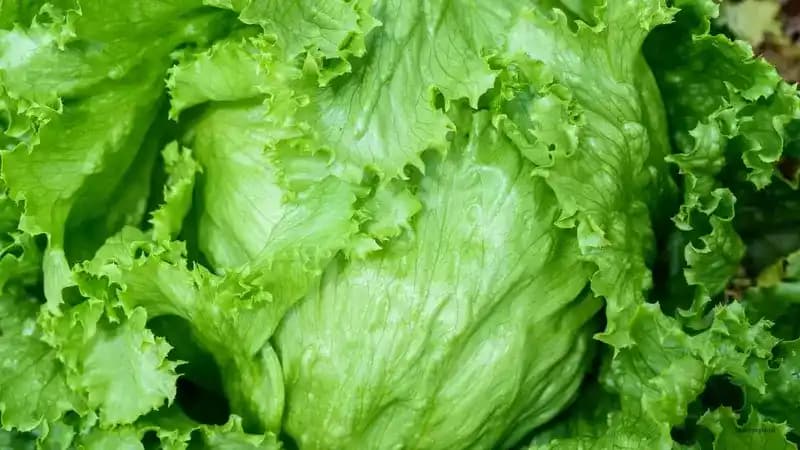
Iceberg lettuce is a refreshing and nutritious green that offers numerous health benefits. Known for its crisp texture and mild flavor, iceberg lettuce is a popular choice in salads and sandwiches. Despite being low in calories, it is packed with essential nutrients, making it an excellent addition to a healthy diet. This blog explores the various health benefits of iceberg lettuce and how you can incorporate it into your meals.
Nutritional Profile of Iceberg Lettuce
Iceberg lettuce is low in calories but high in essential nutrients. Its nutritional profile includes:
Iceberg lettuce is a good source of vitamins A, K, and C, which are important for maintaining healthy vision, blood clotting, and immune function.
Vitamins
This leafy green contains important minerals such as calcium, magnesium, and potassium, which support bone health, muscle function, and electrolyte balance.
Minerals
Iceberg lettuce provides dietary fiber, which aids in digestion and helps regulate blood sugar levels.
Fiber
The plant is packed with antioxidants, including beta-carotene and flavonoids, which help protect the body from oxidative stress and reduce the risk of chronic diseases.
Antioxidants
Health Benefits of Iceberg Lettuce
Incorporating iceberg lettuce into your diet can provide several health benefits, including:
The vitamin A content in iceberg lettuce supports healthy vision and reduces the risk of age-related macular degeneration.
Supports Eye Health
Rich in vitamins C and K, iceberg lettuce can help boost the immune system, protecting the body against infections and diseases.
Boosts Immunity
The antioxidants and vitamins in iceberg lettuce can help maintain healthy skin by reducing inflammation and protecting against UV damage.
Promotes Healthy Skin
Calcium and magnesium in iceberg lettuce are essential for maintaining strong bones and preventing osteoporosis.
Supports Bone Health
The fiber content in iceberg lettuce promotes healthy digestion by preventing constipation and promoting regular bowel movements.
Improves Digestion
Potassium in iceberg lettuce helps regulate blood pressure by balancing the effects of sodium in the body.
Regulates Blood Pressure
Iceberg lettuce has a high water content, which helps keep the body hydrated and supports overall health.
Enhances Hydration
The anti-inflammatory properties of iceberg lettuce can help reduce inflammation in the body, alleviating symptoms of conditions such as arthritis.
Reduces Inflammation
How to Use Iceberg Lettuce
Iceberg lettuce can be used in various ways to enhance your diet. Here are some suggestions:
Add fresh iceberg lettuce to your salads for a nutritious and crunchy addition.
Salads
Use iceberg lettuce as a crisp and refreshing layer in your sandwiches.
Sandwiches
Use large iceberg lettuce leaves as wraps for a low-carb alternative to tortillas.
Wraps
Blend iceberg lettuce into your smoothies for an extra boost of vitamins and minerals.
Smoothies
Incorporate iceberg lettuce into soups for added texture and nutrition.
Soups
Precautions and Considerations
While iceberg lettuce is beneficial, there are some precautions to consider:
Ensure that the iceberg lettuce you consume is sourced from clean, uncontaminated environments to avoid any potential health risks.
Source Quality
Consume iceberg lettuce in moderation, as excessive intake can lead to digestive issues.
Moderation
Check for any potential allergies before adding iceberg lettuce to your diet.
Allergies
Conclusion
Iceberg lettuce is a refreshing and nutritious green that offers numerous health benefits. By incorporating this versatile plant into your diet, you can support eye health, boost immunity, promote healthy skin, and more. Remember to source iceberg lettuce from clean environments and consume it in moderation to enjoy its full range of benefits. Embrace the health benefits of iceberg lettuce and enhance your overall well-being.
About Zocvi
Zocvi connects patients with verified doctors and evidence-based health guidance. Visit zocvi.com or reach us on WhatsApp at +91-92724-57637.











Comments (0)