
Introduction
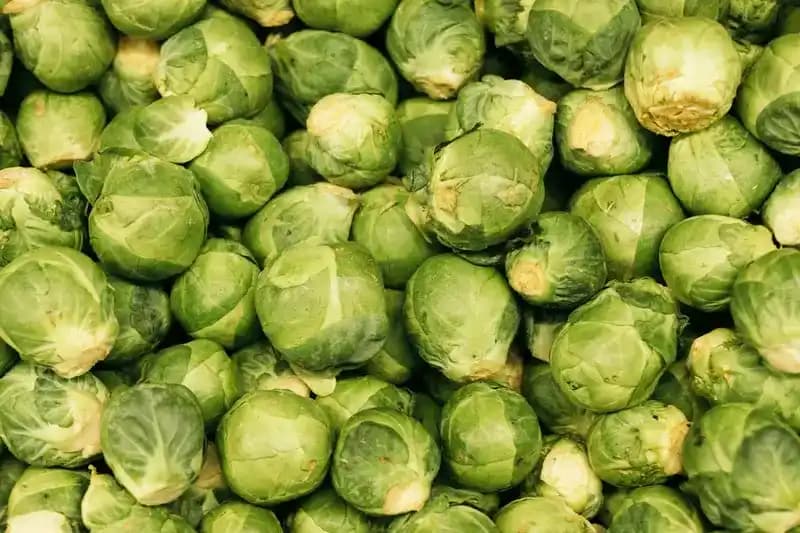
Cabbage, a leafy green, red, and purple vegetable, is not only a versatile culinary ingredient but also a powerhouse of nutrients. Its low calorie yet high nutrient content makes it a staple in healthy diets worldwide. In this comprehensive guide, we'll explore the health benefits of green cabbage, purple cabbage, and why incorporating this humble vegetable into your diet can lead to a healthier you.
Health Benefits of Cabbages: A Comprehensive Overview
When looking at the health benefits of cabbages, it's clear that whether green, purple, or red, this vegetable is a nutritional powerhouse. Rich in vitamins, minerals, and antioxidants, cabbages are an excellent addition to a healthy diet. They offer protective benefits against a range of chronic diseases, support digestive health, and provide essential nutrients for bone and heart health. Cabbage, regardless of its color, contributes significantly to a healthy diet. Its low calorie content makes it an excellent choice for weight management, while its rich nutrient profile supports overall health. From reducing inflammation to protecting against certain cancers, the health benefits of cabbage are vast and varied.
Health Benefits of Green Cabbage: The Classic Choice
Green cabbage, the most commonly consumed variety, is a cruciferous vegetable that packs a punch in terms of health benefits. Rich in vitamins K, C, and B6, and a host of minerals like manganese and fiber, green cabbage supports healthy bone structure, boosts the immune system, and promotes digestive health. But what makes green cabbage truly stand out is its high content of antioxidants and phytonutrients, which can help reduce the risk of chronic diseases such as heart disease, diabetes, and cancer. The health benefits of green cabbage extend beyond its nutrient content. It's also rich in sulforaphane, a compound that has been shown to have protective effects against cancer. Additionally, the high fiber content in green cabbage aids in digestion and helps prevent constipation, while the potassium it contains can help maintain healthy blood pressure levels.
Discovering the Health Benefits of Purple Cabbage: A Colorful Nutrient Dynamo
Not to be outshone, purple cabbage offers a unique blend of health benefits, thanks to its vibrant color. This hue is not just for show; it's indicative of a type of pigment called anthocyanins, which have strong antioxidant properties. Research has linked these antioxidants to a reduced risk of heart disease, a decrease in inflammation, and improved brain health. Beyond its antioxidant capacity, purple cabbage is also a great source of vitamin C, even more so than orange, making it excellent for the immune system. It's also rich in vitamin K, essential for bone health, and has a high fiber content, promoting digestive health. The health benefits of purple cabbage make it an excellent addition to any diet, particularly for those looking to increase their intake of antioxidants.
Health Benefits of Red Cabbage: The Overlooked Gem
Often confused with purple cabbage, red cabbage shares many of the same health benefits, including high levels of vitamins C and K, along with a wealth of antioxidants. It's also a good source of iron, which is crucial for energy production and oxygen transport in the body. The health benefits of red cabbage extend to its potential to improve heart health, thanks to the presence of anthocyanins. These compounds not only give red cabbage its color but also contribute to its ability to lower blood pressure and reduce the risk of coronary artery disease. Additionally, the high fiber content of red cabbage supports digestion and promotes a healthy gut.
Conclusion
In conclusion, incorporating different types of cabbage into your diet is a simple yet effective way to boost your nutrient intake and enjoy a range of health benefits. Whether it's the classic green, vibrant purple, or the often overlooked red cabbage, each variety brings its unique set of nutrients and benefits to the table. So next time you're at the grocery store, don't pass by this humble vegetable; embrace the health benefits of cabbages and make them a staple in your diet for a healthier, happier you.
About Zocvi
Zocvi connects patients with verified doctors and evidence-based health guidance. Visit zocvi.com or reach us on WhatsApp at +91-92724-57637.












Comments (0)