8 Health Benefits of Turnip: Why This Root Vegetable Matters

8 Health Benefits of Turnip: Why This Root Vegetable Matters

Overview

Explore the numerous health benefits of turnip, a nutritious root vegetable. This guide provides essential information on the nutritional value of turnip and how it can support a healthy lifestyle.

Introduction

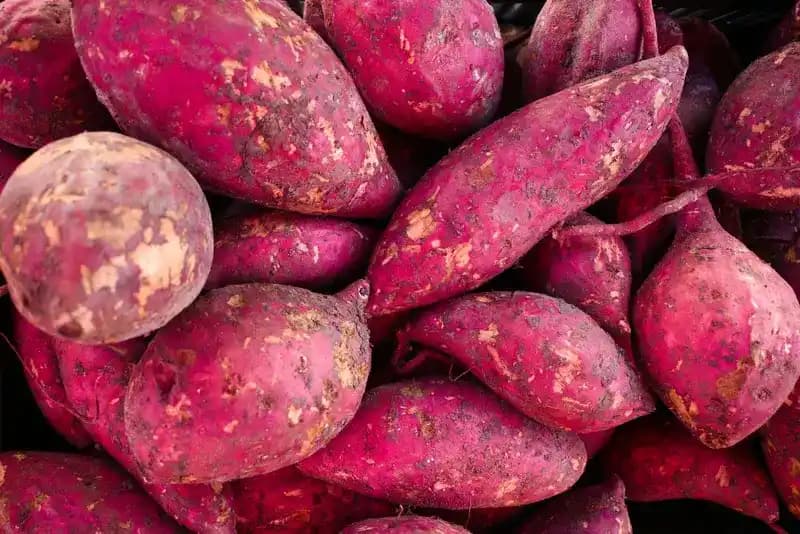
Turnip, a root vegetable commonly used in various cuisines, is known for its versatility and nutritional benefits. With a slightly sweet and peppery flavor, turnip is packed with essential nutrients that contribute to overall health. This comprehensive guide explores the health benefits of turnip, its nutritional value, and ways to incorporate this vegetable into your meals. By understanding the benefits of turnip, you can make informed choices to support your overall health and well-being.

Nutritional Profile of Turnip

Turnip is a low-calorie vegetable that provides a wealth of essential nutrients. Its nutritional profile includes:
Turnip is rich in vitamins C, K, and B6, as well as folate. These vitamins are crucial for maintaining a healthy immune system, supporting brain function, and promoting good bone health.

Vitamins

This root vegetable contains important minerals such as potassium, calcium, and magnesium. These minerals support various bodily functions, including muscle contraction, nerve function, and bone health.

Minerals

Turnip is an excellent source of dietary fiber, which aids in digestion, helps regulate blood sugar levels, and supports heart health.

Fiber

Packed with antioxidants like glucosinolates and flavonoids, turnip helps protect the body from oxidative stress and reduces the risk of chronic diseases.

Antioxidants

Health Benefits of Turnip

Incorporating turnip into your diet can provide several health benefits, including:
The high vitamin C content in turnip boosts the immune system and helps the body fight off infections.

1. Supports Immune Health

Turnip contains fiber, antioxidants, and potassium, all of which contribute to cardiovascular health by reducing cholesterol levels and maintaining healthy blood pressure.

2. Promotes Heart Health

The fiber in turnip promotes healthy digestion by preventing constipation and supporting the growth of beneficial gut bacteria.

3. Aids in Digestion

Calcium and magnesium in turnip are essential for maintaining strong bones and preventing osteoporosis.

4. Supports Bone Health

The anti-inflammatory properties of glucosinolates and other antioxidants in turnip help reduce inflammation in the body, which can alleviate symptoms of conditions like arthritis.

5. Reduces Inflammation

The vitamins and antioxidants in turnip help protect the skin from damage and promote a healthy complexion.

6. Improves Skin Health

Turnip is low in calories and high in fiber, making it a great addition to a weight management plan. It helps you feel full longer and prevents overeating.

7. Supports Weight Management

Compounds like glucosinolates in turnip have been shown to have anti-cancer properties, potentially reducing the risk of certain cancers, including breast, prostate, and colon cancer.

8. May Reduce Cancer Risk

How to Incorporate Turnip into Your Diet

There are many delicious and creative ways to include turnip in your meals. Here are some suggestions:
Thinly slice or grate turnip and combine it with other fresh vegetables like carrots and apples. Add a light dressing of olive oil, lemon juice, and salt for a refreshing salad.

1. Fresh Turnip Salad

Stir-fry turnip with other vegetables and lean protein for a quick and nutritious meal. Use garlic, ginger, and soy sauce for added flavor.

2. Turnip Stir-Fry

Make pickled turnip by soaking it in a mixture of vinegar, sugar, and salt. This tangy side dish pairs well with many Asian meals.

3. Pickled Turnip

Add sliced turnip to soups and stews for added texture and nutrition. It works well in vegetable soup or chicken broth.

4. Turnip Soup

Toss turnip slices with olive oil, salt, and pepper, and roast in the oven until tender. This method brings out the natural sweetness of the vegetable.

5. Roasted Turnip

Boil turnip until tender, then mash it with a little butter, salt, and pepper for a healthier alternative to mashed potatoes.

6. Turnip Mash

Thinly slice turnip, toss with a little olive oil and salt, and bake until crispy. These make a healthy and crunchy snack.

7. Turnip Chips

Tips for Selecting and Storing Turnip

To get the most out of your turnip, follow these tips for selecting and storing this nutritious vegetable:
Select turnip with firm, smooth skin and a crisp texture. Avoid turnips with soft spots or signs of wilting.

1. Choose Fresh Turnip

Store turnip in the refrigerator in a perforated plastic bag to maintain freshness. Use it within a week for the best quality.

2. Store Properly

Wash and cut turnip just before use to preserve its nutrients and freshness. If you need to cut it in advance, store it in an airtight container in the refrigerator.

3. Prepare Just Before Use

Potential Side Effects and Considerations

While turnip is generally safe and beneficial for most people, there are some considerations to keep in mind:
Turnip contains fiber and certain compounds that can cause gas and bloating in some people. Start with small portions if you have a sensitive digestive system.

1. Digestive Issues

Turnip contains goitrogens, which can interfere with thyroid function in large amounts. If you have thyroid issues, moderate your intake and consult with a healthcare provider.

2. Thyroid Function

Although rare, some people may have an allergy to turnip. If you experience symptoms like itching, swelling, or difficulty breathing after consuming turnip, seek medical attention.

3. Allergies

Conclusion

Turnip is a nutrient-dense root vegetable that offers a wide range of health benefits. By incorporating turnip into your diet, you can support immune health, promote heart health, aid digestion, and much more. With its versatility and delicious flavor, turnip can be easily added to various dishes to enhance your overall well-being. Embrace the health benefits of turnip and enjoy this nutritious vegetable in your daily meals.

About Zocvi

Zocvi connects patients with verified doctors and evidence-based health guidance. Visit zocvi.com or reach us on WhatsApp at +91-92724-57637.


Follow Zocvi

Stay connected with Zocvi for expert health advice. Follow us on Facebook, LinkedIn, and Instagram.

Frequently Asked Questions

Can diabetics eat shalgam (turnip) — what is its glycaemic impact?

Shalgam is a moderately acceptable choice for diabetics when prepared and portioned correctly. Its glycaemic index is approximately 62 (medium range) for boiled turnip, but the glycaemic load per typical serving (100g, ~28 kcal) is only about 4-5 — which is low and manageable. The combination of fibre (1.8g/100g), low calories, and glucosinolates helps slow carbohydrate absorption. Shalgam is lower in carbohydrates than potato (aloo) — 6g vs 17g per 100g — making it a better substitute in Indian vegetable preparations. Best preparation for diabetics: boiled shalgam sabzi, shalgam soup, or raw shalgam strips. Avoid shalgam ka achaar (pickle) — high sodium content can raise blood pressure. Fried or creamy preparations add unwanted fat and calories. An Indian meal plate with shalgam sabzi + whole-wheat roti + dal is a diabetes-friendly combination with overall glycaemic load in the moderate range.

Should people with thyroid problems (hypothyroidism) avoid shalgam?

Shalgam is a cruciferous vegetable and contains goitrogens — compounds that can interfere with thyroid iodine uptake by inhibiting thyroid peroxidase (TPO) enzyme. However, the concern is frequently overstated. Key facts: (1) Goitrogenic effect is dose-dependent — occasional consumption (1-2 servings per week) has not been shown to clinically affect thyroid function in people with adequate iodine intake; (2) Cooking deactivates most goitrogens (thiocyanates) — boiled or cooked shalgam is significantly less goitrogenic than raw; (3) Fermentation (as in achaar) also reduces goitrogen activity. Who should actually be careful: people with pre-existing iodine deficiency (hypothyroidism from iodine-deficient diet, more common in mountainous regions of India), or those eating very large raw amounts (>300g/day daily). If you're on levothyroxine (thyronorm), eat shalgam 2+ hours away from your morning dose to avoid absorption interference. People with well-controlled hypothyroidism on adequate iodine intake can eat cooked shalgam 2-3 times per week without concern. Check with your endocrinologist if you have autoimmune thyroid disease (Hashimoto's).

How does shalgam compare to mooli (radish) as an Indian winter vegetable?

Shalgam (turnip) and mooli (radish) are both cruciferous root vegetables popular in North Indian winter cuisine. Per 100g comparison: Shalgam — 28 kcal, 1.8g fibre, Vit C 21mg, calcium 30mg, glucosinolates for cancer-protection; Mooli — 16 kcal, 1.6g fibre, Vit C 14mg, calcium 25mg, alpha-glucosidase inhibition for blood sugar. Shalgam has more calories, slightly more fibre and Vitamin C. Mooli has a more distinctive pungent flavour and the leaves (mooli ke patte) are particularly nutrient-dense (iron 2.4mg, Vit C 51mg per 100g leaves — often discarded but more nutritious than the root). Both share thyroid goitrogen considerations and both are excellent high-fibre, low-calorie winter vegetables. Indian cooking usage: shalgam goes well in dal, sabzi, and as a pickle ingredient; mooli in paratha filling (mooli ka paratha), salad/kachumber, and chutney. For broad nutritional benefit, eating both throughout winter is ideal — they complement each other's micronutrient profiles.

What is the best way to cook shalgam to preserve its nutritional benefits?

Like all cruciferous vegetables, the key to preserving shalgam's glucosinolates is minimising cooking time and temperature. Optimal methods: (1) Light stir-fry or bhuno sabzi — 5-8 minutes on medium heat with mustard oil, jeera, turmeric, and coriander is nutritionally superior to pressure-cooking; (2) Shalgam soup (boiled 10 min + spiced) — water-soluble Vitamin C leaches into broth so drinking the soup base retains full benefit; (3) Raw shalgam strips in salad — maximum nutrient retention but goitrogenic activity also maximum; limit raw portion to 80-100g and combine with lemon juice (Vitamin C enhances iron absorption and antioxidant activity). Avoid: long pressure-cooking (30+ minutes destroys glucosinolates and Vitamin C significantly); deep frying (high fat addition). A practical Indian tip: cut shalgam into chunks and let it sit 5-10 minutes after cutting before cooking — this allows the myrosinase-glucosinolate reaction to produce more sulforaphane before heat destroys the enzyme. The same principle applies to broccoli and cabbage.

Questions About This Article

Have a question? Ask the author directly.

Have a question about this article?

Ask Zocvi Editorial directly. Your question may help others with similar concerns.

Q:1 answer
Q:1 answer
Q:1 answer
Q:1 answer

Comments (0)

Found this helpful? Share it!

LinkedInWhatsApp

More from Zocvi Editorial

Other Articles You May Like

Find a Doctor for Healthy Diet Plans

Verified specialists across India

Dr. Saloni Kabra

Homoeopath

7 yrs

Indore

Homeopathic Hooman Clinic
Chhatribag, Near Shri Devi Ahilya Shishu Vihar School, Indore, Madhya Pradesh, 452002
₹800 consultation
EmailWhatsApp

Dr. Mahesh Sulakshane

Book Online

Paediatrician

22 yrs

Pune

Dr. Sulakshane Multi Speciality Clinic
Pune, Pune, Maharashtra, 411007
₹700 consultation
EmailWhatsApp

Dr. Prashant Jain

Ayurvedic Doctor

12 yrs

Delhi

Nirmal Ayurved
Shahdara – Jyoti Nagar West, Delhi, Delhi, 110094
Fee on request
EmailWhatsApp

Dr. Sushma Jadhav

Book Online

General Physician

22 yrs

Pune

SarvAadi Health and Geriatic Clinic
Laxman Nagar, Baner, Pune, Pune, Maharashtra, 411045
₹500 consultation
EmailWhatsApp