Wholesome Foods: Key to Balanced Nutrition and a Healthier Life

Wholesome Foods: Key to Balanced Nutrition and a Healthier Life

Overview

Discover the power of wholesome foods in achieving balanced nutrition and overall health. Learn tips, strategies, and recipes for incorporating nutrient-dense ingredients into your diet.

Introduction

In today’s fast-paced world, maintaining a nutritious diet is essential for overall well-being. Wholesome foods, rich in vitamins, minerals, and essential nutrients, form the cornerstone of a balanced lifestyle. By choosing minimally processed, natural ingredients, individuals can improve their health and prevent chronic conditions. This guide delves into the benefits of wholesome foods, how to incorporate them into your diet, and why they are vital for optimal health.

What Are Wholesome Foods?

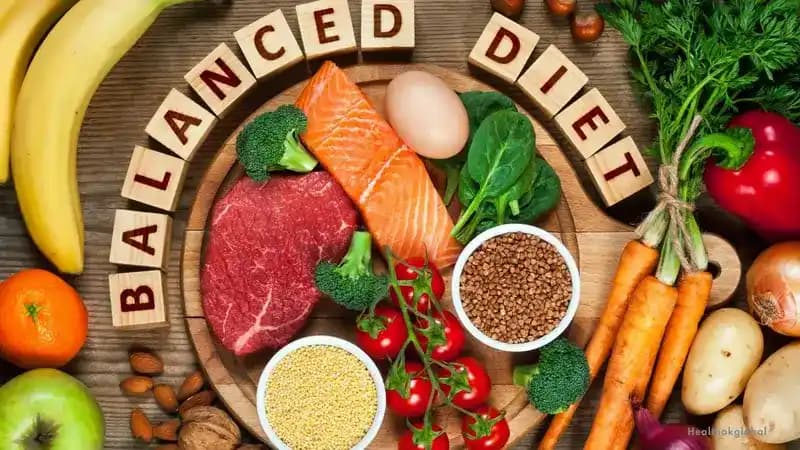
Wholesome foods refer to natural, minimally processed ingredients that provide maximum nutritional value. These foods are free from artificial additives, preservatives, and refined sugars, making them a healthier choice for everyone. Examples include:
1. Fresh Fruits and Vegetables: Packed with vitamins, antioxidants, and fiber.
2. Whole Grains: Such as quinoa, brown rice, and oats, which offer sustained energy.
3. Lean Proteins: Like fish, chicken, and plant-based options like lentils and beans.
4. Healthy Fats: Found in nuts, seeds, avocados, and olive oil.

Benefits of Eating Wholesome Foods

Incorporating wholesome foods into your diet can lead to numerous health benefits, such as:
Rich in dietary fiber, wholesome foods support gut health and prevent digestive issues like constipation.

1. Improved Digestion

Nutrient-dense foods provide sustained energy throughout the day, reducing fatigue and boosting productivity.

2. Enhanced Energy Levels

Whole foods are naturally low in calories and high in satiety, helping maintain a healthy weight.

3. Better Weight Management

A diet rich in wholesome foods can lower the risk of conditions like diabetes, heart disease, and obesity.

4. Reduced Risk of Chronic Diseases

Balanced nutrition supports brain function and may reduce the risk of depression and anxiety.

5. Enhanced Mental Health

Tips for Incorporating Wholesome Foods

Transitioning to a diet rich in wholesome foods can be easy with these practical tips:
Prepare a weekly menu featuring wholesome recipes to stay consistent and organized.

1. Plan Your Meals

Focus on fresh produce, whole grains, and lean proteins while avoiding processed and packaged foods.

2. Shop Smart

Home-cooked meals give you control over ingredients, ensuring maximum nutritional value.

3. Cook at Home

Gradually replace unhealthy snacks with options like fresh fruit, nuts, or yogurt.

4. Start Small

Try new dishes that feature whole grains, vegetables, and healthy fats to keep meals exciting.

5. Experiment with Recipes

Wholesome Foods and Balanced Nutrition

A balanced diet includes a variety of wholesome foods from different food groups to meet your body’s nutritional needs. Key components include:
Carbohydrates: Whole grains and starchy vegetables for energy.
Proteins: Lean meats, legumes, and tofu to support muscle growth and repair.
Fats: Healthy oils, nuts, and seeds for brain health and hormone production.
Vitamins and Minerals: Abundant in fresh produce to maintain overall health.

Case Study: Transforming Health with Wholesome Foods

Emma, a 35-year-old professional, struggled with fatigue and weight gain due to poor eating habits. By incorporating wholesome foods into her diet, she experienced remarkable improvements:
- Replaced sugary snacks with fresh fruits.
- Switched to whole-grain bread and pasta.
- Added leafy greens and lean proteins to meals.
After three months, Emma’s energy levels soared, and she lost 10 pounds while feeling healthier and more confident.

Monitoring and Maintaining a Wholesome Diet

Consistency is key to reaping the benefits of wholesome foods. Here’s how to stay on track:
Use a food diary or app to monitor your dietary habits and identify areas for improvement.

1. Track Your Progress

Focus on appropriate portion sizes to avoid overeating while meeting your nutritional needs.

2. Adjust Portion Sizes

Drink plenty of water throughout the day to complement your healthy eating habits.

3. Stay Hydrated

Join a community or consult a nutritionist to stay motivated and accountable.

4. Seek Support

Conclusion

Wholesome foods are a simple yet powerful way to enhance your overall health and well-being. By embracing a diet rich in fresh, natural ingredients, you can boost energy levels, manage your weight, and reduce the risk of chronic diseases. Start your journey today by incorporating more wholesome foods into your meals and experience the transformative impact of balanced nutrition on your life.

About Zocvi

Zocvi connects patients with verified doctors and evidence-based health guidance. Visit zocvi.com or reach us on WhatsApp at +91-92724-57637.

Follow Zocvi

Stay connected with Zocvi for expert health advice. Follow us on Facebook, LinkedIn, and Instagram.

Frequently Asked Questions

What counts as a wholesome food in the Indian context — is our traditional diet already wholesome?

Traditional Indian cooking — at its best — is already highly wholesome. The concern is that India’s dietary pattern is rapidly shifting away from traditional wholesome foods toward ultra-processed alternatives. What classifies as a wholesome food: minimally processed (close to its natural state); provides a meaningful combination of macronutrients (protein, fibre, complex carbs, or healthy fats) along with micronutrients; free from added sugar, trans fats, or synthetic additives as primary ingredients. Core Indian wholesome foods per ICMR-NIN 2024 guidelines: Cereals: whole grain roti (wheat, bajra, jowar, ragi), brown rice, daliya (broken wheat), poha, oats — NOT maida-based bread, biscuits, or instant noodles. Dal and legumes: all varieties (moong, masoor, chana, rajma, matki, tur) — these are protein+fibre+mineral powerhouses; 2-3 servings daily recommended. Vegetables: all sabzis, especially leafy greens (palak, methi, sarson); seasonal variety is key. Dairy: dahi (curd), paneer, chaach (buttermilk), plain milk — NOT sweetened yogurt or flavoured milk. Fruits: seasonal Indian fruits (guava, papaya, banana, amla, sitafal) — NOT fruit juices or canned/sweetened fruit. Healthy fats: mustard oil, coconut oil, ghee in moderate amounts, nuts and seeds (groundnuts, til, flaxseed). What is NOT wholesome in the Indian context: packaged namkeen and chips; biscuits and rusks; instant noodles (Maggi, Yippee); commercially sweetened lassi or flavoured dahi; white bread and maida parathas; soft drinks and packaged juices.

Can I eat wholesome foods on a tight budget in India — what is the most affordable healthy diet?

Yes — and this is a common misconception: wholesome foods in India are NOT more expensive than processed foods when compared per unit of nutrition. The most affordable wholesome diet in India is also the most traditional: Dal-chawal combination: moong dal ₹80-120/kg, rice ₹40-80/kg; a complete meal for 4 people (dal + chawal + sabzi) = approximately ₹30-50 per person. Roti + dal + sabzi: wheat atta ₹30-45/kg; most dal varieties ₹80-150/kg (depending on type); seasonal vegetables ₹20-60/kg. The cheapest wholesome protein sources per gram of protein: whole moong dal (₹100/kg = approximately ₹5 per 10g protein); eggs (₹6-8 each = approximately ₹2 per 10g protein); toor dal (₹120-140/kg); groundnuts (₹100-150/kg — also high in healthy fats + Vitamin E). Budget wholesome Indian diet: ₹100-150 per day per person is achievable with: breakfast — poha with groundnuts (₹10-15) or dal-chawal leftover; lunch — 2 rotis + dal + sabzi (₹25-35); dinner — 2 rotis + vegetable + curd (₹25-30); snack — banana + handful groundnuts (₹10-15). Compare: a packet of biscuits (₹20) or chips (₹20) provides minimal nutrition vs ₹20 spent on seasonal vegetables. NFHS-5 data (2019-21): food insecurity is a real issue for 14% of Indian households — in those cases, prioritise calorie-dense dal and cereal combinations with fortified salt (iodised) and whatever seasonal vegetables are available locally. The cheapest thing that prevents the most disease: iodised salt + sunlight (Vitamin D) + seasonal fruits/vegetables.

How do wholesome foods reduce the risk of diabetes, heart disease, and obesity in India?

India faces a ‘triple burden’ of malnutrition: undernutrition (stunting in children), micronutrient deficiency (iron, B12, Vitamin D), and overnutrition/NCDs (diabetes, heart disease, obesity). Wholesome foods address all three simultaneously. For diabetes prevention and management: the PREDIMED trial and Indian Diabetes Prevention Programme (IDPP) both demonstrated that dietary pattern change (not individual superfoods) reduces T2D risk by 26-58%. Key mechanisms: fibre from whole grains and legumes slows glucose absorption (lowers GI response); magnesium from whole grains improves insulin sensitivity; polyphenols from vegetables and spices (turmeric, fenugreek) activate insulin-pathway genes. For heart disease: DASH diet principles align with traditional Indian cooking — high potassium (from vegetables + dal), low sodium, fibre from whole grains; replacing refined oil cooking with mustard/groundnut/coconut oil in moderate amounts provides heart-healthy fatty acid profiles; the Nurses’ Health Study and multiple Indian cohorts show cruciferous vegetable + legume consumption predicts lower CVD mortality. For obesity: ultra-processed foods drive excess caloric intake through engineered palatability (fat+salt+sugar combinations that override satiety signals); whole foods eaten at home activate leptin (satiety hormone) more effectively; the gut microbiome — fed by dietary fibre — regulates appetite hormones through short-chain fatty acid production. The bottom line from ICMR-NIN 2024: ‘eat food, not too much, mostly plants’ — 50% of plate as vegetables + salad, 25% whole grains, 25% protein (dal/legumes/egg/chicken), healthy fats in moderation.

How do I transition from a processed food habit to wholesome eating without feeling deprived?

The most common reason wholesome eating fails is abrupt, all-or-nothing restriction. Behaviour science (and the Indian dietary tradition) offers a better path: Phase 1 — swap within familiar dishes (week 1-2): switch white rice to half brown rice + half white rice (many people don’t notice the difference in biryani or pulao); switch maida roti to whole wheat atta with added bran (multigrain atta available at ₹45-60/kg); add one extra vegetable to every meal; replace packaged biscuits with a small handful of groundnuts or a seasonal fruit. Phase 2 — rebuild snack habits (week 3-4): replace chips/biscuits with: roasted chana (₹60-80/kg — high protein); makhana (₹200-250/250g — expensive but very filling); peanut chikki (whole-food version of a sweet); fresh coconut pieces (South India); seasonal fruit + small handful of nuts. Phase 3 — address liquid calories (month 2): replace packaged juice and soft drinks with: nimbu pani (fresh lime water + jeera + black salt = Vitamin C + electrolytes at ₹5); chaach (buttermilk = probiotic + protein + electrolytes); plain coconut water (hydration + potassium). Phase 4 — cook more, order less (ongoing): home-cooked dal-chawal is nutritionally superior to any restaurant or delivery meal at any price point; batch-cooking dal (pressure cooker 20 min) and refrigerating for 2-3 days reduces the temptation to order out. Tracking tip: don’t track calories — track ‘wholesome replacements made today’ (positive reinforcement). AIIMS-based research consistently shows that sustainable dietary change happens through gradual substitution, not restriction.

Questions About This Article

Have a question? Ask the author directly.

Have a question about this article?

Ask Zocvi Editorial directly. Your question may help others with similar concerns.

Q:1 answer
Q:1 answer
Q:1 answer
Q:1 answer

Comments (0)

Found this helpful? Share it!

LinkedInWhatsApp

More from Zocvi Editorial

Other Articles You May Like

Related Topics

Find a Doctor for Diabetes Prevention

Verified specialists across India

Dr. Ridhi Khanna

Dietitian & Nutritionist

14 yrs

Amritsar

Eat it Right
Joshi Colony, Amritsar, Punjab, 143001
₹500 consultation

Dr. Dhananjay Pandey

Bariatric Surgeon

17 yrs

Ghaziabad

Max Super Speciality Hospital, Vaishali
Niti Khand I, Ghaziabad, Uttar Pradesh, 201014
₹1000 consultation

Dr. Ashutosh Sonawane

Endocrinologist

17 yrs

Nashik

Sarthak Health Clinic
Mumbai Naka, Nashik, Maharashtra, 422001
₹800 consultation

Dr. Manish Khaitan

Bariatric Surgeon

29 yrs

Ahmedabad

KD Hospital
Vaishnodevi Circle, Ahmedabad, Gujarat, 382421
₹600 consultation