
Introduction
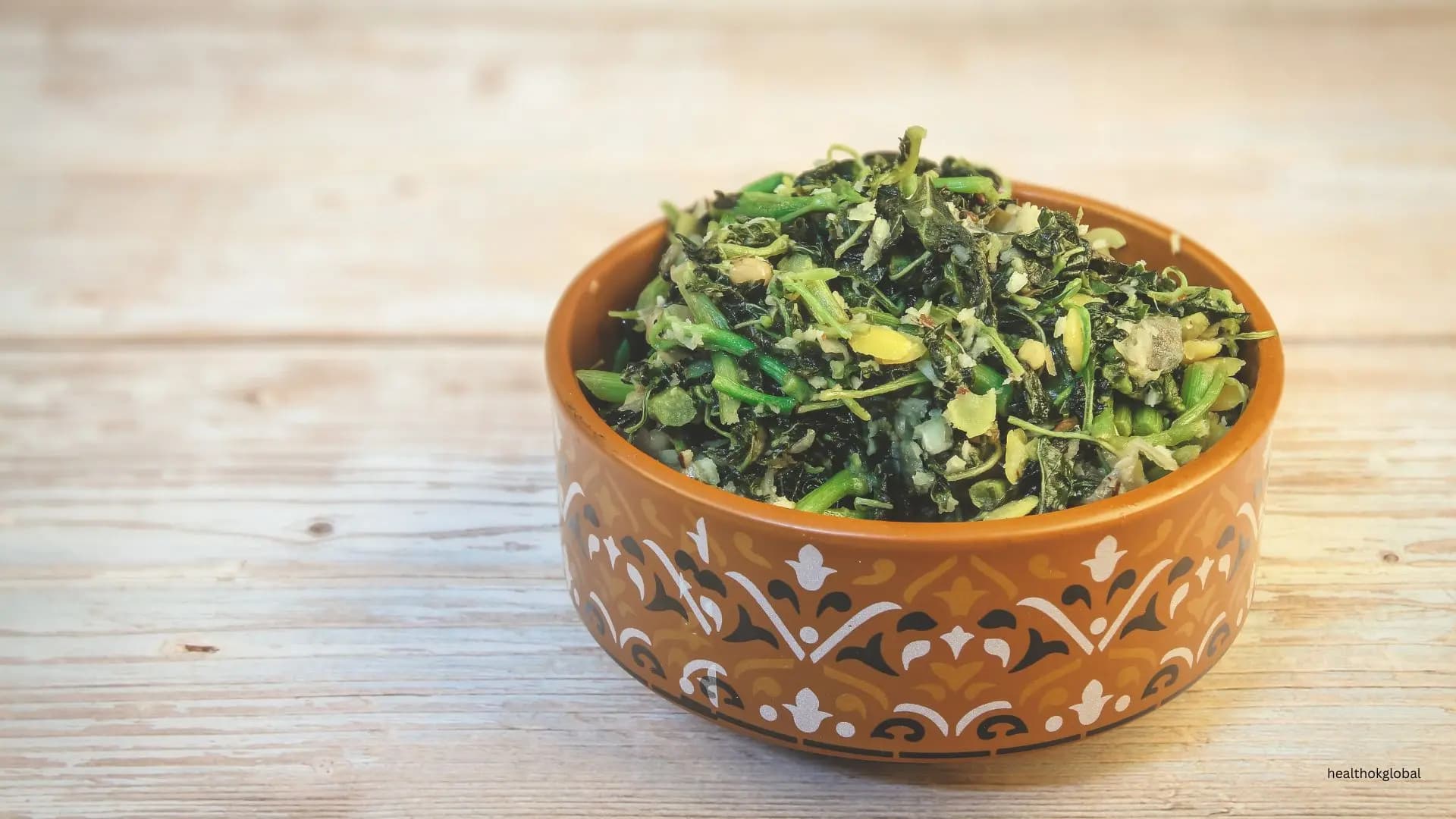
Cabbage poriyal, a popular South Indian dish, is known for its simplicity and nutritional benefits. This stir-fried cabbage recipe is not only delicious but also packed with essential nutrients that contribute to overall health. This comprehensive guide explores the health benefits of cabbage poriyal, its nutritional value, and ways to incorporate this dish into your diet. By understanding the benefits of cabbage poriyal, you can make informed choices to support your overall health and well-being.
Nutritional Profile of Cabbage Poriyal
Cabbage poriyal is low in calories but provides a wealth of essential nutrients. Its nutritional profile includes:
Cabbage poriyal is rich in vitamins C, K, and several B-complex vitamins, which are crucial for maintaining a healthy immune system, supporting energy production, and promoting skin health.
Vitamins
This dish contains important minerals such as calcium, magnesium, and potassium. These minerals support various bodily functions, including bone health, muscle contraction, and maintaining healthy blood pressure.
Minerals
Cabbage is an excellent source of dietary fiber, which aids in digestion, helps regulate blood sugar levels, and supports heart health.
Fiber
Packed with antioxidants like flavonoids and carotenoids, cabbage poriyal helps protect the body from oxidative stress and reduces the risk of chronic diseases.
Antioxidants
Health Benefits of Cabbage Poriyal
Incorporating cabbage poriyal into your diet can provide several health benefits, including:
The high vitamin C content in cabbage poriyal boosts the immune system and helps the body fight off infections.
1. Supports Immune Health
The fiber, antioxidants, and potassium in cabbage poriyal contribute to cardiovascular health by reducing cholesterol levels and maintaining healthy blood pressure.
2. Promotes Heart Health
The dietary fiber in cabbage promotes healthy digestion by preventing constipation and supporting the growth of beneficial gut bacteria.
3. Aids in Digestion
Calcium and magnesium in cabbage are essential for maintaining strong bones and preventing osteoporosis.
4. Supports Bone Health
The anti-inflammatory properties of flavonoids and other antioxidants in cabbage help reduce inflammation in the body, which can alleviate symptoms of conditions like arthritis.
5. Reduces Inflammation
The vitamins and antioxidants in cabbage help protect the skin from damage and promote a healthy complexion.
6. Improves Skin Health
Cabbage poriyal is low in calories and high in fiber, making it a great addition to a weight management plan. It helps you feel full longer and prevents overeating.
7. Supports Weight Management
Cabbage contains compounds that support the body's natural detoxification processes, helping to eliminate toxins and maintain overall health.
8. Provides Detoxification
How to Incorporate Cabbage Poriyal into Your Diet
There are many delicious and creative ways to include cabbage poriyal in your meals. Here are some suggestions:
Prepare cabbage poriyal by stir-frying shredded cabbage with mustard seeds, curry leaves, and grated coconut. This simple recipe is a classic and nutritious side dish.
1. Traditional Cabbage Poriyal
Combine cabbage poriyal with fresh vegetables like carrots, bell peppers, and tomatoes for a refreshing and crunchy salad.
2. Cabbage Poriyal Salad
Use cabbage poriyal as a filling for wraps or sandwiches. Add some hummus or yogurt sauce for extra flavor.
3. Cabbage Poriyal Wrap
Mix cabbage poriyal with other vegetables and tofu or chicken for a hearty and nutritious stir-fry.
4. Cabbage Poriyal Stir-Fry
Serve cabbage poriyal over a bed of steamed rice, topped with a fried egg or avocado slices for a complete and balanced meal.
5. Cabbage Poriyal Rice Bowl
Add cabbage poriyal to soups and stews for added texture and nutrition. It works well in vegetable or lentil soup.
6. Cabbage Poriyal Soup
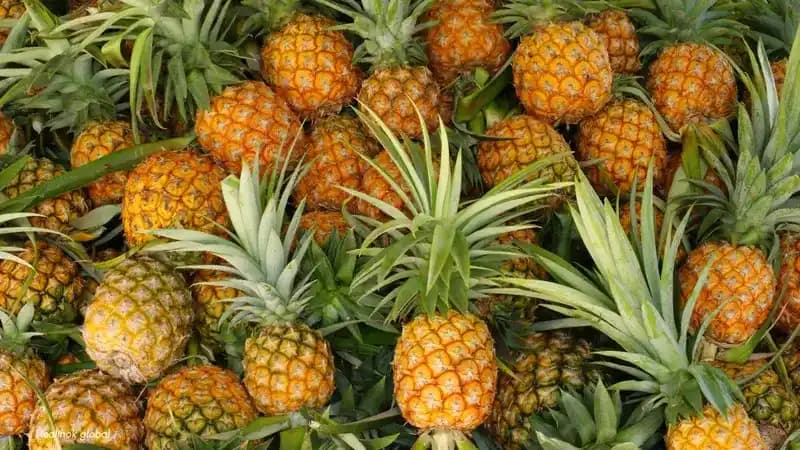
Blend cabbage poriyal with fruits like pineapple and mango, and a liquid base like coconut water, for a nutrient-packed smoothie.
7. Cabbage Poriyal Smoothie
Tips for Selecting and Storing Cabbage
To get the most out of your cabbage, follow these tips for selecting and storing this nutritious vegetable:
Select cabbage that is firm, heavy for its size, and has bright, crisp leaves. Avoid cabbage with wilted or yellowing leaves.
1. Choose Fresh Cabbage
Store cabbage in the refrigerator in a plastic bag to maintain freshness. Use it within a week for the best quality.
2. Store Properly
Wash and shred cabbage just before use to preserve its nutrients and freshness. If you need to store it, keep it in an airtight container in the refrigerator.
3. Prepare Just Before Use
Potential Side Effects and Considerations
While cabbage poriyal is generally safe and beneficial for most people, there are some considerations to keep in mind:
Cabbage contains fiber and certain compounds that can cause gas and bloating in some people. Start with small portions if you have a sensitive digestive system.
1. Digestive Issues
Cabbage contains goitrogens, which can interfere with thyroid function in large amounts. If you have thyroid issues, moderate your intake and consult with a healthcare provider.
2. Thyroid Function
Conclusion
Cabbage poriyal is a nutrient-dense South Indian dish that offers a wide range of health benefits. By incorporating cabbage poriyal into your diet, you can support immune health, promote heart health, aid digestion, and much more. With its versatility and mild flavor, cabbage poriyal can be easily added to various dishes to enhance your overall well-being. Embrace the health benefits of cabbage poriyal and enjoy this nutritious dish in your daily diet.










Comments (0)