Understanding Various Types of Eye Surgery
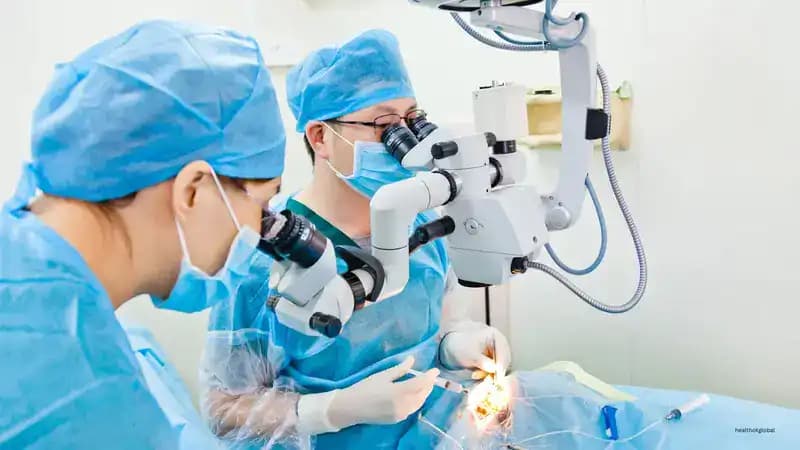
Eye surgery encompasses a range of procedures aimed at correcting vision problems, treating eye diseases, and improving overall eye health.

Vision is the sense people fear losing most, yet eye health is one of the most neglected areas of preventive care in India. Over 80% of blindness in the country is avoidable — caused by conditions like cataract, glaucoma, diabetic retinopathy, and refractive errors that are either treatable or preventable with timely intervention. India has the world's largest burden of blindness, yet millions of people never have a basic eye examination. Cataract surgery is one of the most cost-effective medical interventions available. Glaucoma damages the optic nerve silently before any vision loss is felt. Diabetic retinopathy threatens sight in every person with diabetes who doesn't get annual eye checks. This hub covers the full spectrum of eye health — from childhood vision problems to emergency eye conditions — with a focus on what can be done and when.
Last reviewed: 10 August 2026
Eye surgery encompasses a range of procedures aimed at correcting vision problems, treating eye diseases, and improving overall eye health.
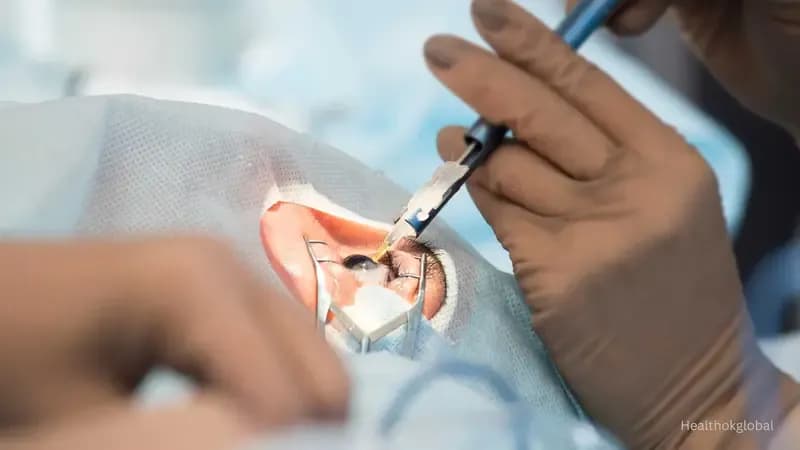
Phacoemulsification is a modern cataract surgery technique that uses ultrasonic energy to emulsify the eye's natural lens before removal.

Cataract surgery, though generally safe, carries certain risks and complications.

Senile cataract is an age-related eye condition that can impair vision. Learn about its causes, symptoms, advanced treatments, and how to maintain eye health.
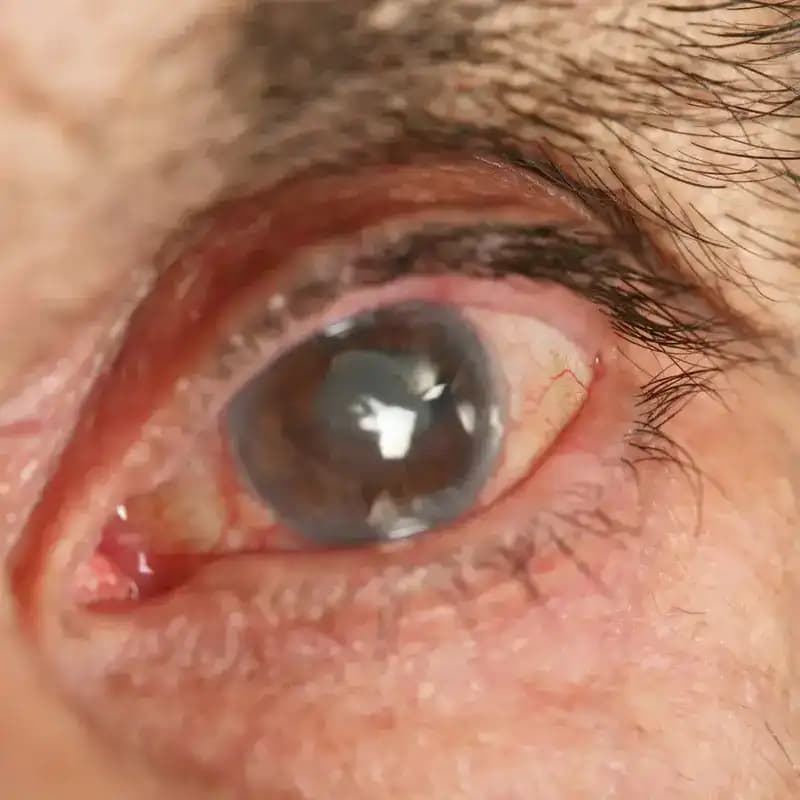
Nuclear cataract is a common age-related eye condition characterized by the clouding of the lens inside the eye.

Posterior subcapsular cataract is a common eye condition that affects the lens of the eye, leading to vision impairment.
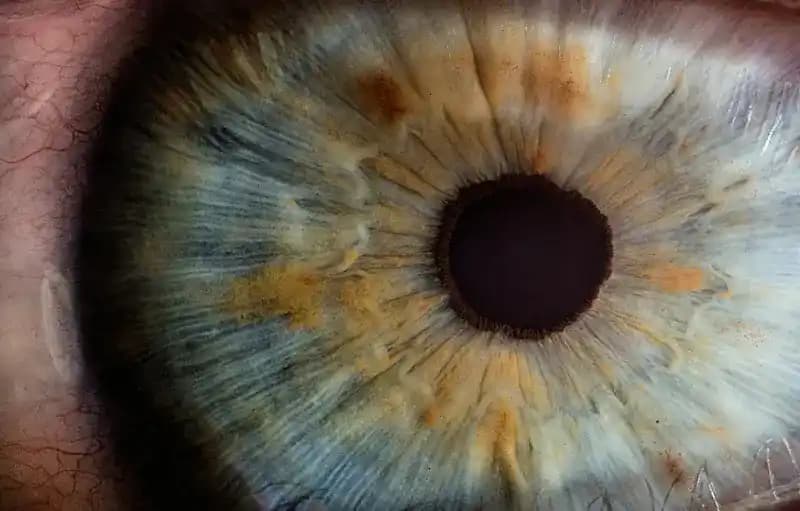
Morgagnian cataract is a type of advanced cataract characterized by the liquefaction of the lens nucleus, leading to significant vision impairment.
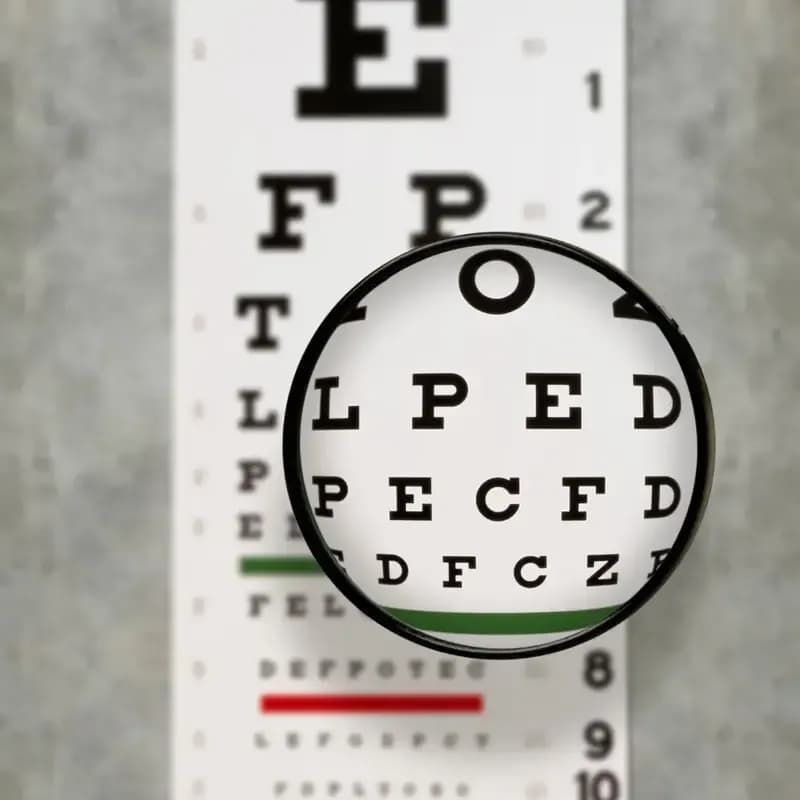
Are you struggling with high eye number and seeking ways to enhance your vision?
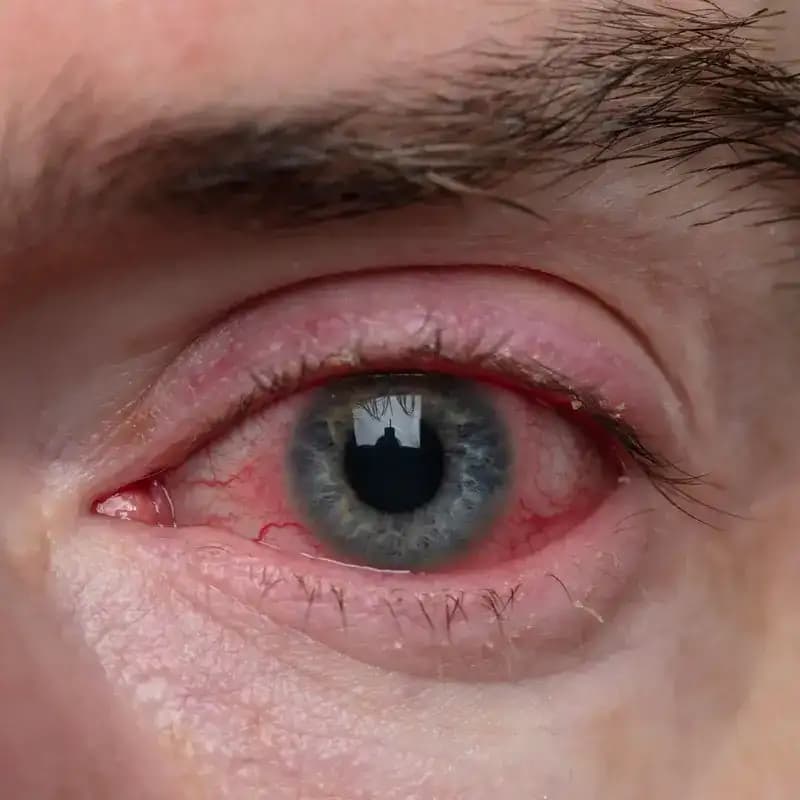
Sore eyes, also known as eye irritation or eye discomfort, can be a common and bothersome problem affecting people of all ages.

The right treatment for eye flu depends entirely on the cause. Viral conjunctivitis needs supportive care only; bacterial needs antibiotic drops; allergic needs antihistamines; irritant needs flushing. Getting the type wrong wastes time and can make it worse.

Eye flu, commonly known as viral conjunctivitis, is an inflammation of the conjunctiva, the thin, clear tissue covering the white part of the eye and the inside of the eyelids.
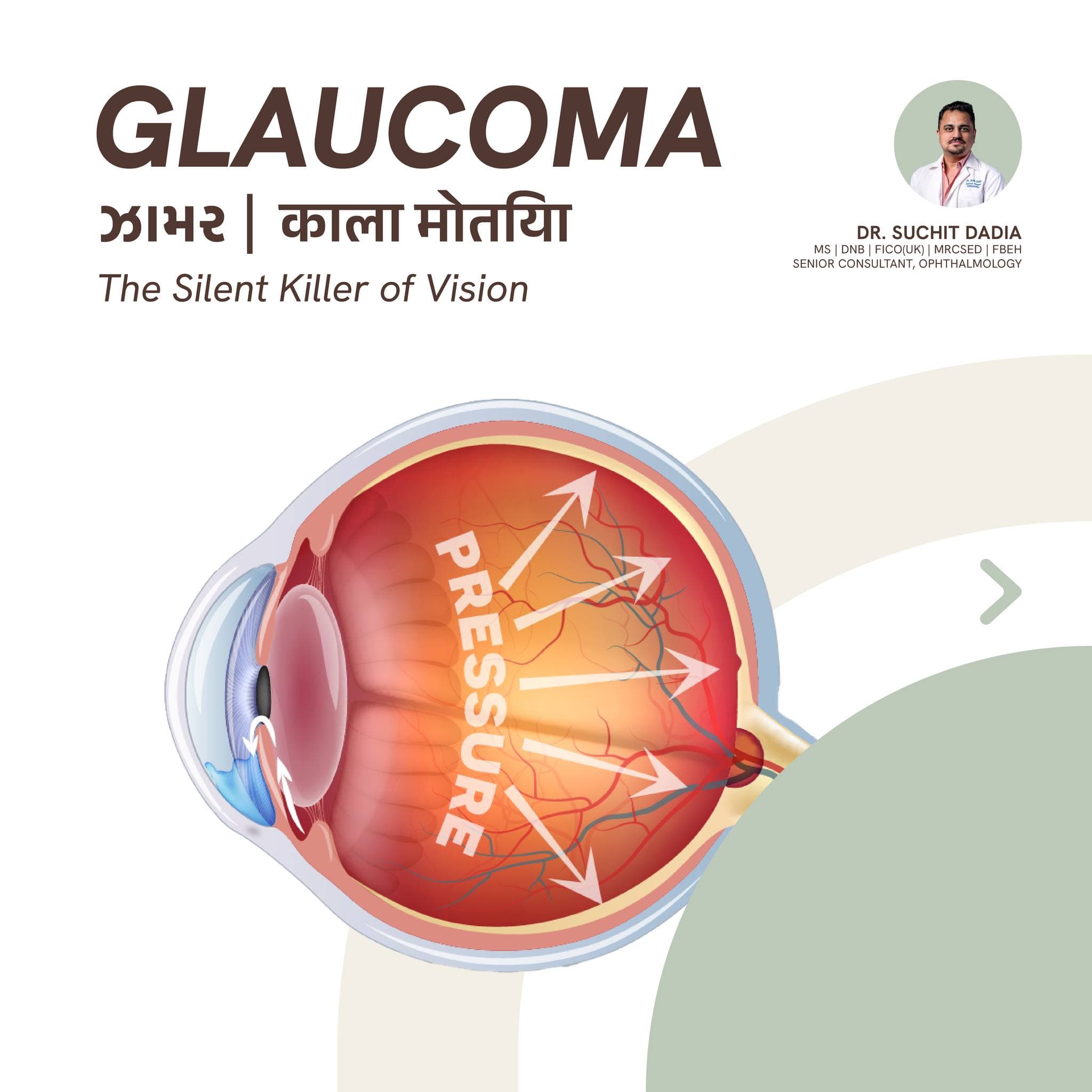
Glaucoma is a group of eye conditions that damage the optic nerve, often caused by increased pressure in the eye. Think of it as high blood pressure for your eyes—it’s quiet, painless, but can slowly steal your vision if not treated in time.It often shows no symptoms in its early stages, yet it can lead to permanent blindness if left undetected. Regular eye check-ups are the key to early detection and effective management.If you're over 40 or have a family history of Glaucoma, get your eyes tested today. Protect your vision before it’s too late!Glaucoma is a group of eye conditions that damage the optic nerve, often caused by increased pressure in the eye. Think of it as high blood pressure for your eyes—it’s quiet, and painless, but can slowly steal your vision if not treated in time.
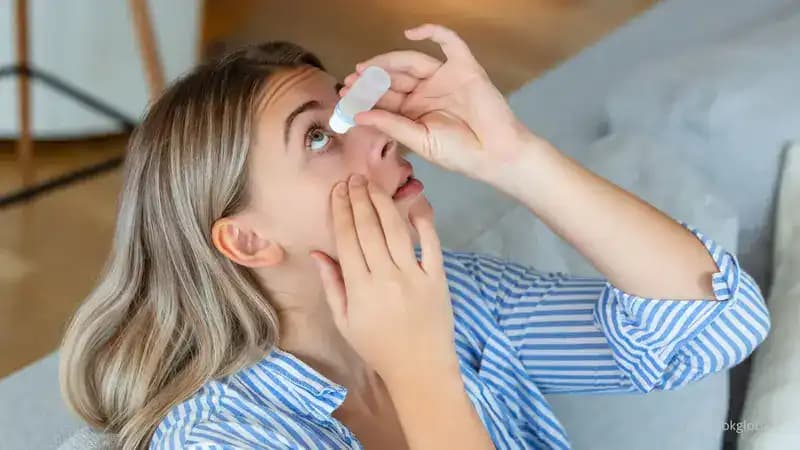
Eye flu (viral conjunctivitis) usually clears in 7-14 days with home care, cold compresses, artificial tears, strict hand hygiene, and staying home to avoid spreading it. Here is what actually helps, what to avoid, and when antibiotics or steroid drops are appropriate.
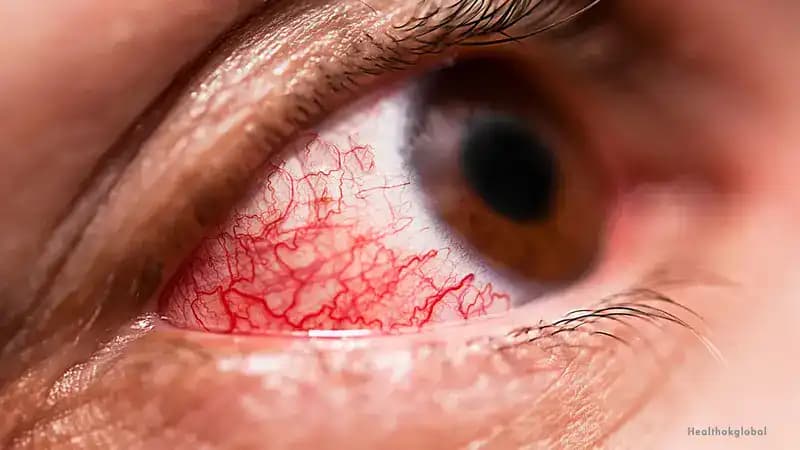
Conjunctivitis, commonly known as eye flu, is an inflammation of the conjunctiva that causes redness, irritation, and discomfort.
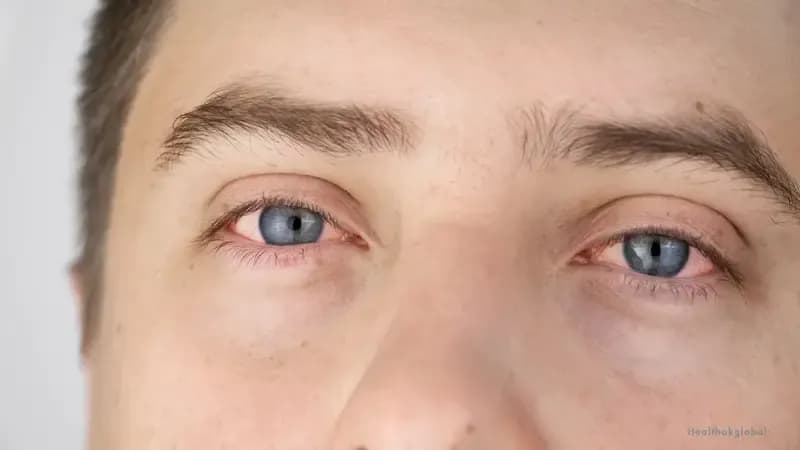
Eye flu is a catch-all term for conjunctivitis with different causes, most commonly adenovirus (viral, highly contagious), sometimes bacteria, allergies, or irritants like chlorine or pollution. Knowing the cause changes how it should be treated.

Ever wonder what -2.5 or +1.75 really means on your glasses prescription? 🤓 It’s not Greek — it’s Eye Science! 👁️ Here’s a quick breakdown to help you decode your prescription like a pro. 🎥 Watch,...
Recurring eye discharge is not always " JUST AN INFECTION ". Sometimes it's a blocked tear duct , known as Nasolacrimal Duct Obstruction. The good news !?! It can be cured with a Small Surgery! ONLY EYE DROPS DO NOT WORK.Take every Eye discharge seriously if it's there for a long time , or it happens again and again by pressing near the corner of the eye , as seen in the video.Contact / DM to know more .Wishing you the Best of Eye Health always!#eye #drsuchitdadia #ophthalmology #healthyeyes #drsuchit #eyehealth #eyedischarge #eyediseases #srveyehospital
Myopia (nearsightedness) is a common condition that’s usually diagnosed before age 20. It affects your distance vision.

Eyes are our windows to the world, but unfortunately, not everyone enjoys perfect vision.

While Pterygium is generally non-threatening, it cannot be cured with external eye drops. These may relieve symptoms but won’t remove the growth. Surgery is the only effective treatment to prevent complications such as blurred or double vision.If you notice a bump or growth in your eye, consult your eye doctor immediately.Stay tuned for Part 3: How Pterygium Surgery Works.Like and share to spread awareness!...#DrSuchitDadia #ophthalmology #Pterygium #pterygiumsurgery

Pterygium, jene Gujarati ma વેલ pan kehvaay che, is commonly seen in those who spend extended time outdoors, exposed to sunlight and UV rays. While it’s rarely serious, it can potentially affect your vision.If you spot a pinkish, triangular-shaped growth on your eye that extends onto the white part, consult your eye doctor for treatment.Stay tuned for Part 2: Treatment options for Pterygium.Like and share to spread awareness!...#DrSuchitDadia #ophthalmology #Pterygium #pterygiumsurgery
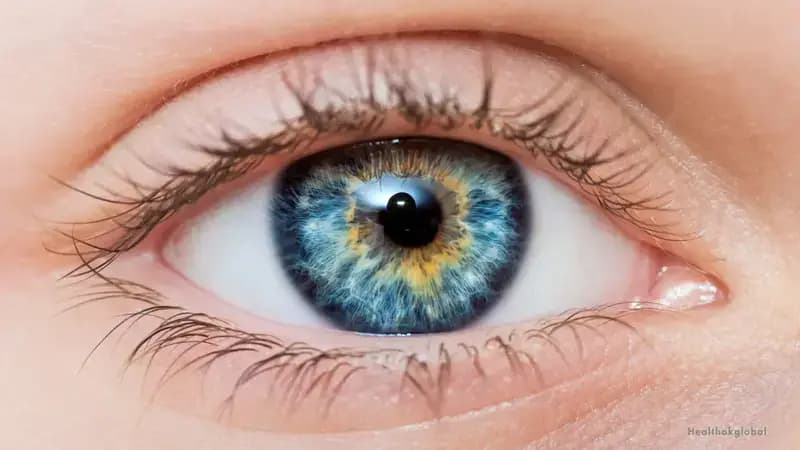
The Colour Assessment and Diagnosis (CAD) test is a sophisticated and comprehensive method used to evaluate colour vision deficiencies and ensure accurate colour perception.
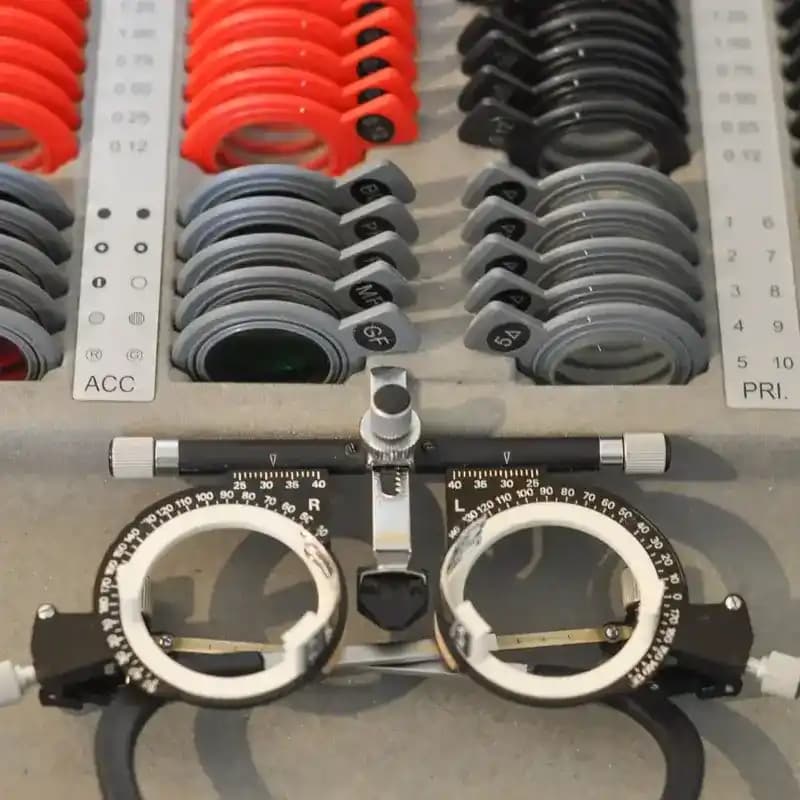
Low vision aids are revolutionary tools that enable individuals with visual impairments to perform daily tasks efficiently, fostering independence and improving quality of life.
Verified specialists across India
Adults with no eye symptoms or risk factors: every 2 years from age 40, annually from age 60. Earlier and more frequently if you have diabetes (annually from diagnosis — diabetic retinopathy has no early symptoms), glaucoma or family history of glaucoma (every 1-2 years with nerve monitoring), high myopia (annually — higher risk of retinal problems), or on medications that affect eyes (hydroxychloroquine, steroids). Children: a vision screening at birth (red reflex test for cataracts), at 3-4 years (amblyopia and squint detection), and school-entry screening. In India, most eye disease is detected late because people only attend when vision is clearly affected — by which point irreversible damage has often occurred. Preventive eye exams are high-value and often underutilised.
Cataract surgery is one of the safest, most performed operations worldwide with a success rate exceeding 95%. It involves removing the cloudy natural lens and replacing it with an artificial intraocular lens (IOL) — typically a 15-20 minute procedure under local anaesthesia as a day case. The old advice to 'wait until the cataract is ripe' is obsolete — modern phacoemulsification technique works better at earlier stages and carries less risk. The right time is when cataract is affecting your quality of life — driving, reading, recognising faces — not an arbitrary density threshold. In India, government schemes (NPCB) provide free cataract surgery at district hospitals. Premium IOLs (multifocal, toric) are available at private centres for patients who want spectacle independence.
Glaucoma cannot currently be prevented, but its progression to blindness can almost always be prevented with early detection and treatment. The problem is that glaucoma has no symptoms in its early stages — by the time vision loss is noticed, significant permanent optic nerve damage has occurred. Screening — measuring intraocular pressure, examining the optic disc, and testing visual fields — detects glaucoma before symptoms develop. Treatment with pressure-lowering eye drops, laser, or surgery halts or dramatically slows progression in most patients. People at higher risk need proactive screening: family history of glaucoma (10x higher risk), age over 60, South Asian or African ethnicity, high myopia, diabetes, and long-term steroid use. Once diagnosed, glaucoma is a lifelong condition requiring consistent treatment and monitoring — but most patients retain useful vision for life.
Not every person with diabetes develops sight-threatening retinopathy, but the risk rises significantly with duration and poor control. After 20 years of diabetes, around 60% of patients have some degree of diabetic retinopathy. The critical fact: early diabetic retinopathy has no symptoms — vision is normal even when the retina is being damaged. Annual dilated eye examination (or retinal photography) by an ophthalmologist from the time of diabetes diagnosis is essential for detecting changes before they threaten sight. When caught early, laser treatment, anti-VEGF injections (bevacizumab, ranibizumab), and tight blood sugar and blood pressure control are highly effective at preserving vision. Neglecting annual retinal screening while managing blood sugar is an incomplete approach to diabetes care.
Go to an emergency department or ophthalmologist immediately for: sudden vision loss in one or both eyes (a medical emergency — possible stroke, retinal artery occlusion, or retinal detachment), flashes of light and a shower of new floaters (retinal tear or detachment — treatable if caught early, leads to blindness if delayed), a painful red eye with blurred vision and halos around lights (acute angle-closure glaucoma — requires emergency pressure reduction), chemical splash to the eye (flush immediately with tap water for 20 minutes before going to hospital — irrigation is the most time-critical first aid), and eye trauma with visible distortion of the eyeball or foreign body penetrating the eye. Red eyes with discharge and no vision change are usually conjunctivitis and can wait for a clinic appointment.
Ask our medical community. Your question may help others with similar concerns.