Understanding Sore Eyes: Causes, Symptoms, and Treatment

Understanding Sore Eyes: Causes, Symptoms, and Treatment

Overview

Sore eyes, also known as eye irritation or eye discomfort, can be a common and bothersome problem affecting people of all ages.

Introduction

Sore eyes, also known as eye irritation or eye discomfort, can be a common and bothersome problem affecting people of all ages. Understanding the causes, symptoms, and treatment options for sore eyes is essential for maintaining good eye health and alleviating discomfort.

Causes of Sore Eyes

Exposure to environmental irritants such as smoke, dust, pollen, and pollutants can lead to sore eyes. Additionally, prolonged screen time, especially with digital devices, can contribute to eye strain and discomfort.

Environmental Factors:

Allergies to pollen, pet dander, mold, or other allergens can cause redness, itching, and swelling of the eyes, leading to soreness and discomfort.

Allergies:

Dry eye syndrome occurs when the eyes do not produce enough tears or when tears evaporate too quickly. This can result in symptoms such as dryness, burning, and irritation of the eyes.

Dry Eye Syndrome:

Bacterial or viral infections such as conjunctivitis (pink eye) can cause soreness, redness, and discharge from the eyes. These infections may require medical treatment to resolve.

Eye Infections:

Symptoms of Sore Eyes

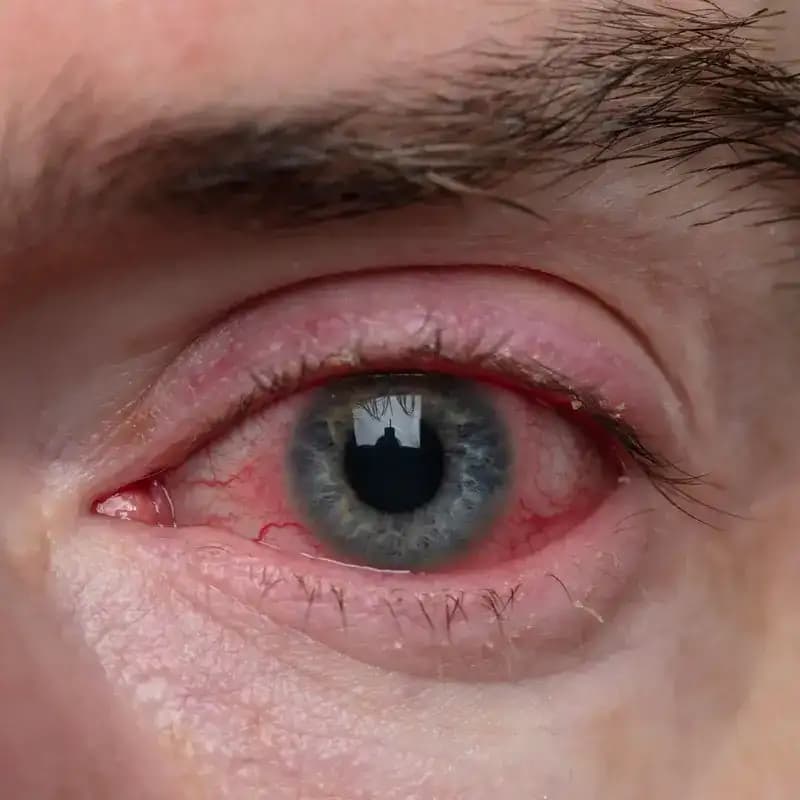
One of the most common symptoms of sore eyes is redness or bloodshot eyes, which may be accompanied by inflammation of the blood vessels in the eyes.

Redness:

Sore eyes often feel itchy or irritated, prompting the urge to rub or scratch the eyes, which can exacerbate the discomfort.

Itching:

A burning sensation or feeling of grittiness in the eyes is another hallmark symptom of sore eyes, particularly in cases of dry eye syndrome or environmental irritants.

Burning Sensation:

People with sore eyes may experience increased sensitivity to light (photophobia), making it uncomfortable to be in brightly lit environments.

Sensitivity to Light:

Treatment Options for Sore Eyes

Artificial tears or lubricating eye drops can help relieve dryness and provide temporary relief from soreness and irritation.

Lubricating Eye Drops:

Applying warm compresses to the eyes can help improve circulation, reduce inflammation, and soothe soreness.

Warm Compresses:

Avoiding exposure to environmental irritants such as smoke, dust, and allergens can help prevent sore eyes.

Avoiding Irritants:

In cases of severe or persistent sore eyes, prescription medications such as antihistamines, corticosteroids, or antibiotic eye drops may be necessary to alleviate symptoms and treat underlying conditions.

Prescription Medications:

Preventive Measures for Sore Eyes

If you spend long hours in front of a screen, take regular breaks to rest your eyes and reduce the risk of eye strain and discomfort.

Take Regular Breaks:

Maintaining good hygiene, such as washing your hands frequently and avoiding touching your eyes, can help prevent the spread of infections that can cause sore eyes.

Practice Good Hygiene:

When engaging in activities that may expose your eyes to potential hazards, such as yard work or sports, wear protective eyewear to prevent injuries and irritation.

Use Protective Eyewear:

When to Seek Medical Attention

While mild cases of sore eyes may resolve on their own or with home remedies, it's important to seek medical attention if you experience persistent or severe symptoms, such as severe pain, vision changes, or discharge from the eyes. These could be signs of a more serious underlying condition that requires prompt treatment.

Conclusion

Sore eyes can be a frustrating and uncomfortable problem, but with proper understanding and care, they can often be effectively managed and relieved. By identifying potential causes, practicing preventive measures, and seeking appropriate treatment when necessary, you can maintain good eye health and minimize discomfort associated with sore eyes. If you experience persistent or severe symptoms, don't hesitate to consult with an eye care professional for personalized evaluation and treatment recommendations.

About Zocvi

Zocvi connects patients with verified doctors and evidence-based health guidance. Visit zocvi.com or reach us on WhatsApp at +91-92724-57637.


Follow Zocvi

Stay connected with Zocvi for expert health advice. Follow us on Facebook, LinkedIn, and Instagram.

Frequently Asked Questions

What causes sore eyes and how do I identify the cause?

Common causes, roughly by frequency: digital eye strain (8+ hours screen daily; dry burning eyes, blurred vision after long work, headache, neck pain — usually both eyes, worse by evening); dry eye disease (chronic; worse in AC environments, polluted cities, contact lens wearers, women during menopause; burning, gritty foreign-body feeling, paradoxical reflex watering); viral conjunctivitis / eye flu (sudden onset, discharge, contagious, spikes in monsoon); allergic conjunctivitis (itching dominant, seasonal, family history of atopy); blepharitis (chronic eyelid inflammation with crusty lashes, morning discomfort); bacterial conjunctivitis (thick pus discharge); contact lens overwear or infection; foreign body (grit, dust, insect — needs removal); corneal abrasion (usually after minor injury; painful); uveitis or iritis (sight-threatening; deep aching pain + light sensitivity + vision reduction — needs urgent ophthalmologist); and angle closure glaucoma (severe eye and head pain + nausea + halos around lights + acute vision loss — MEDICAL EMERGENCY). Sore eyes lasting more than 3 days warrant ophthalmologist evaluation.

What home remedies actually help sore eyes, and which should I avoid?

Evidence-based home care: cool compress (clean cloth soaked in cool water, applied 10-15 min 3-4x daily) reduces swelling and gives comfort; warm compress (5-10 min once daily) helps blepharitis and meibomian gland dysfunction by melting blocked oil glands; preservative-free artificial tears 4-6 times daily are safe for long-term use; rest from screens with the 20-20-20 rule (every 20 minutes, look at something 20 feet away for 20 seconds), and take proper lunch breaks; blink consciously — computer users blink about 60% less than normal; adequate room lighting reduces screen glare; screen at arm's length, slightly below eye level; avoid direct AC or heater airflow on your face; a humidifier helps in AC rooms; adequate hydration (2-3 litres water daily); omega-3 supplementation (1000-2000 mg EPA/DHA daily) helps some people with chronic dry eye — evidence is modest. AVOID: kajal, kohl, or eye makeup when eyes are irritated; rubbing your eyes; old contact lenses or expired drops; sharing eye drops; rose water drops (unregulated, contamination risk); homeopathic 'eye drops' (no evidence); colloidal silver drops (harmful); steroid drops without prescription (worsen infections, cause glaucoma and cataract); and antibiotic drops for every red eye (usually unnecessary and promotes resistance). See a doctor for symptoms lasting more than 3 days or any red-flag features.

When should sore eyes be treated as an emergency?

Same-day emergency ophthalmology needed for: sudden severe eye pain with vision loss, halos around lights, and nausea/vomiting — acute angle closure glaucoma can permanently damage vision within hours; chemical splash (acid, alkali, detergent) — immediate copious water irrigation for 15-30 minutes THEN emergency care, because delay causes permanent damage; penetrating eye injury from sharp objects, metal fragments, or glass — do NOT remove the foreign body, cover with a shield, go to emergency; sudden vision loss without pain (could be retinal detachment, vascular occlusion, or optic neuritis); sudden onset of flashes of light + floaters + vision loss (retinal tear/detachment); photophobia + deep aching eye pain + vision reduction (anterior uveitis/iritis); contact lens wearer with a red painful eye (high risk of microbial keratitis); a visible white spot on the cornea (corneal ulcer); post-surgical eye with sudden pain or vision change; and one-sided severe symptoms with facial swelling and fever (orbital cellulitis is a medical emergency). Go to a hospital eye emergency department with 24/7 ophthalmology — don't wait for an OPD appointment, and don't self-treat serious eye emergencies. Vision loss can be permanent within hours.

Questions About This Article

Have a question? Ask the author directly.

Have a question about this article?

Ask Zocvi Editorial directly. Your question may help others with similar concerns.

Q:1 answer
Q:1 answer
Q:1 answer

Comments (0)

Found this helpful? Share it!

LinkedInWhatsApp

More from Zocvi Editorial

Other Articles You May Like

Dr. Suchit Dadia

Ophthalmologist • 11 yrs • Ahmedabad

76 views

Dr. Suchit Dadia | While Pterygium is generally non-threatening, it cannot be cured with external eye drops. These may relieve symptoms but won’t remove the... | Instagram

Dr. Suchit Dadia | While Pterygium is generally non-threatening, it cannot be cured with external eye drops. These may relieve symptoms but won’t remove the... | Instagram

While Pterygium is generally non-threatening, it cannot be cured with external eye drops. These may relieve symptoms but won’t remove the growth. Surgery is the only effective treatment to prevent complications such as blurred or double vision.If you notice a bump or growth in your eye, consult your eye doctor immediately.Stay tuned for Part 3: How Pterygium Surgery Works.Like and share to spread awareness!...#DrSuchitDadia #ophthalmology #Pterygium #pterygiumsurgery

1 like
Dr. Suchit Dadia

Ophthalmologist • 11 yrs • Ahmedabad

86 views

Recurring eye discharge is not always " JUST AN INFECTION ".

Recurring eye discharge is not always " JUST AN INFECTION ".

Recurring eye discharge is not always " JUST AN INFECTION ". Sometimes it's a blocked tear duct , known as Nasolacrimal Duct Obstruction. The good news !?! It can be cured with a Small Surgery! ONLY EYE DROPS DO NOT WORK.Take every Eye discharge seriously if it's there for a long time , or it happens again and again by pressing near the corner of the eye , as seen in the video.Contact / DM to know more .Wishing you the Best of Eye Health always!#eye #drsuchitdadia #ophthalmology #healthyeyes #drsuchit #eyehealth #eyedischarge #eyediseases #srveyehospital

Dr. Suchit Dadia

Ophthalmologist • 11 yrs • Ahmedabad

57 views

EXPIRY DATE vs SHELF LIFE of eye drops.

EXPIRY DATE vs SHELF LIFE of eye drops.

EXPIRY DATE vs SHELF LIFE of eye drops.( Short video Explanation in Hindi).Your eyes are too precious to gamble with expired products.Using old or contaminated eye drops can silently harm your vision.This reel breaks down expiry vs shelf-life in the simplest way — so you never make the wrong choice again.Watch this reel now and protect your eyes with the right information.#SRVEyeHospital #EyeAwareness #VisionCare #EyeDropSafety #DrSuchitDadia #EyeFacts #ProtectYourSight #DailyEyeCare#InsightEyeCareHospitals

Dr. Suchit Dadia

Ophthalmologist • 11 yrs • Ahmedabad

84 views

Pterygium, jene Gujarati ma વેલ pan kehvaay che, is commonly seen in those who spend extended time outdoors, exposed to sunlight and UV rays.

Pterygium, jene Gujarati ma વેલ pan kehvaay che, is commonly seen in those who spend extended time outdoors, exposed to sunlight and UV rays.

Pterygium, jene Gujarati ma વેલ pan kehvaay che, is commonly seen in those who spend extended time outdoors, exposed to sunlight and UV rays. While it’s rarely serious, it can potentially affect your vision.If you spot a pinkish, triangular-shaped growth on your eye that extends onto the white part, consult your eye doctor for treatment.Stay tuned for Part 2: Treatment options for Pterygium.Like and share to spread awareness!...#DrSuchitDadia #ophthalmology #Pterygium #pterygiumsurgery

Dr. Suchit Dadia

Ophthalmologist • 11 yrs • Ahmedabad

67 views

Glaucoma Awareness: Protect Your Sight Early

Glaucoma Awareness: Protect Your Sight Early

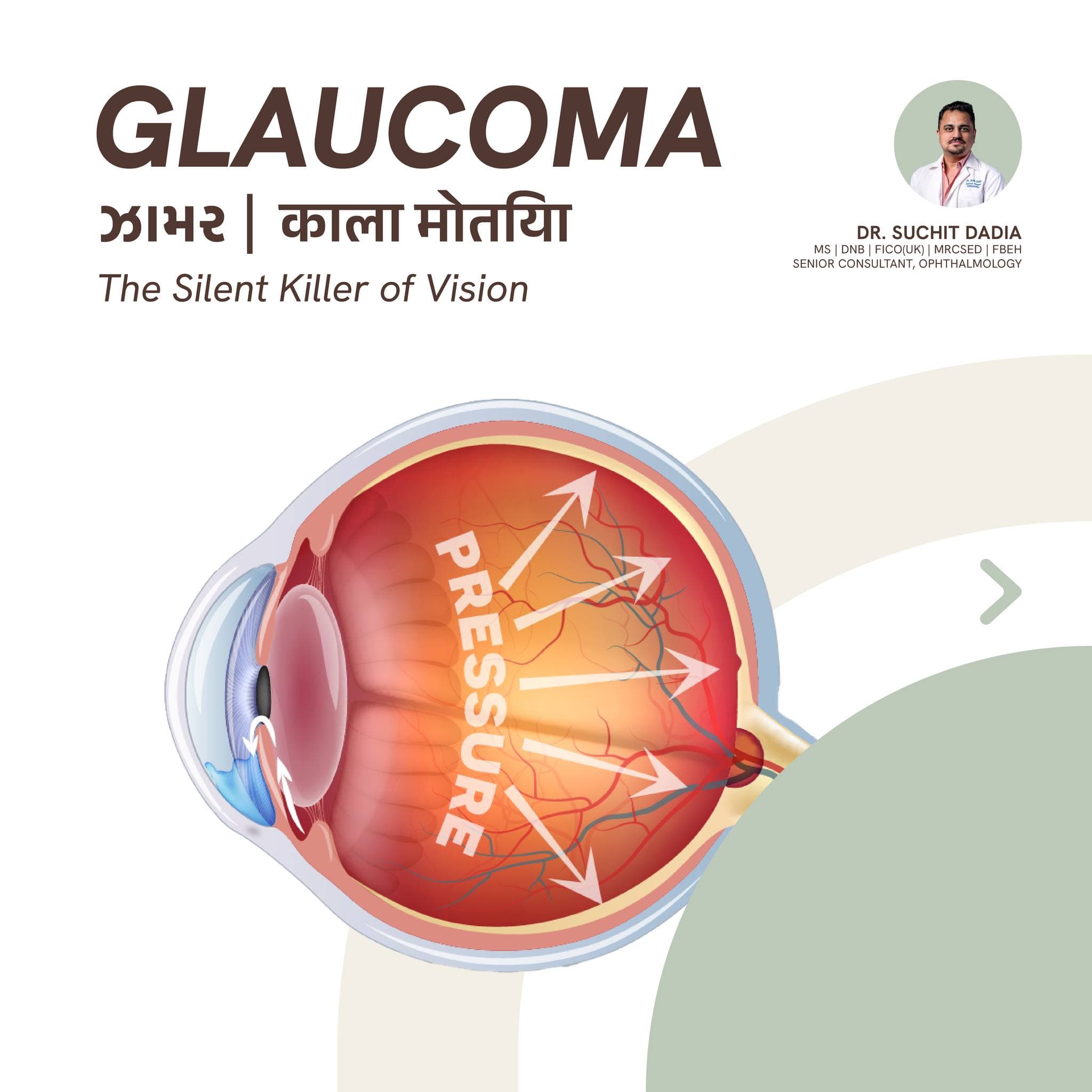
Glaucoma is a group of eye conditions that damage the optic nerve, often caused by increased pressure in the eye. Think of it as high blood pressure for your eyes—it’s quiet, painless, but can slowly steal your vision if not treated in time.It often shows no symptoms in its early stages, yet it can lead to permanent blindness if left undetected. Regular eye check-ups are the key to early detection and effective management.If you're over 40 or have a family history of Glaucoma, get your eyes tested today. Protect your vision before it’s too late!Glaucoma is a group of eye conditions that damage the optic nerve, often caused by increased pressure in the eye. Think of it as high blood pressure for your eyes—it’s quiet, and painless, but can slowly steal your vision if not treated in time.

Related Topics

Find a Doctor for Dry Eyes & Eye Strain

Verified specialists across India

Dr. Suchit Dadia

Ophthalmologist

11 yrs

Ahmedabad

Dr. Suchit Deepak Dadia Clinic
a well-developed residential and commercial area in Ahmedabad, Gujarat, India, Ahmedabad, Gujarat, 380054
₹500 consultation
EmailWhatsApp

Dr. Vikas Mittal

Ophthalmologist

20 yrs

Ambala

LJ Eye Institute
Model Town, Ambala, Haryana, 134003
₹200 consultation

Dr. Lakshmi Kuniyal

Ophthalmologist

13 yrs

Mathura

Aarogyam Health Clinic
Goverdhan, Mathura, Uttar Pradesh, 281004
₹300 consultation

Dr. Sanjay Gupta

Ophthalmologist

17 yrs

Kota

Agrawal Eye And Skin Hospital
VIP Colony, Kota, Rajasthan, 324005
₹300 consultation