

Introduction
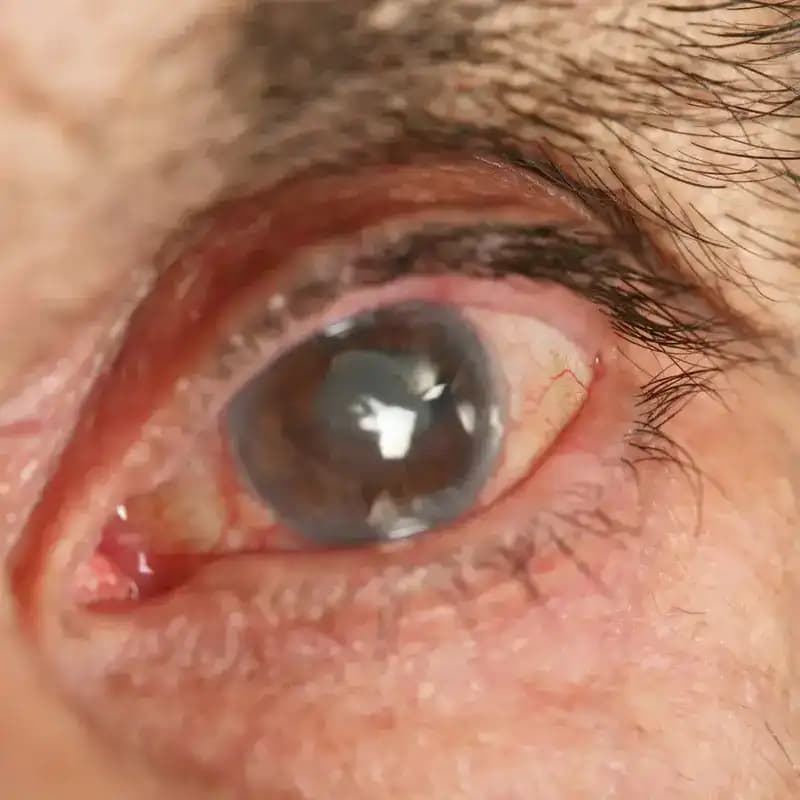
Senile cataract, a leading cause of vision impairment worldwide, occurs due to age-related changes in the eye’s lens. Over time, the lens becomes cloudy, causing difficulty in vision. This condition often develops gradually but can significantly affect daily activities like reading and driving. This blog delves into the causes, symptoms, diagnosis, and treatment options for senile cataract, helping you make informed decisions about eye health.
Causes of Senile Cataract
The primary cause of senile cataract is aging, as the natural proteins in the lens start to clump together, leading to cloudiness. However, several factors can accelerate this process:
Frequent and unprotected exposure to ultraviolet rays can damage the lens, increasing the risk of cataracts.
Prolonged UV Exposure:
Smoking, excessive alcohol consumption, and a diet lacking in antioxidants contribute to oxidative stress, hastening lens clouding.
Lifestyle Factors:
Diabetes and long-term use of corticosteroid medications are linked to higher cataract risk.
Underlying Medical Conditions:
Symptoms of Senile Cataract
Senile cataracts progress slowly, and symptoms often go unnoticed in the early stages. Common symptoms include:
Cloudiness or haziness in vision, making objects appear less sharp.
Blurry Vision:
Difficulty seeing in low-light conditions, often accompanied by glare from headlights.
Night Vision Problems:
Increased glare and sensitivity, particularly in bright environments.
Sensitivity to Light:
Colors may appear less vibrant or yellowed over time.
Yellowing or Fading of Colors:
A noticeable increase in the need for new glasses or contact lens prescriptions.
Frequent Prescription Changes:
Diagnosis of Senile Cataract
A comprehensive eye examination is crucial for diagnosing senile cataract. Common diagnostic methods include:
Measures the ability to see details at various distances.
Visual Acuity Test:
Provides a magnified view of the eye’s structures to detect abnormalities.
Slit-Lamp Examination:
Involves widening the pupil with drops to examine the lens and retina more thoroughly.
Dilated Eye Exam:
Treatment Options for Senile Cataract
Treatment depends on the severity of vision impairment. Early stages can be managed with non-surgical options, while advanced cases typically require surgery.
Prescription glasses, anti-glare lenses, and improved lighting can temporarily help manage symptoms.
Non-Surgical Management:
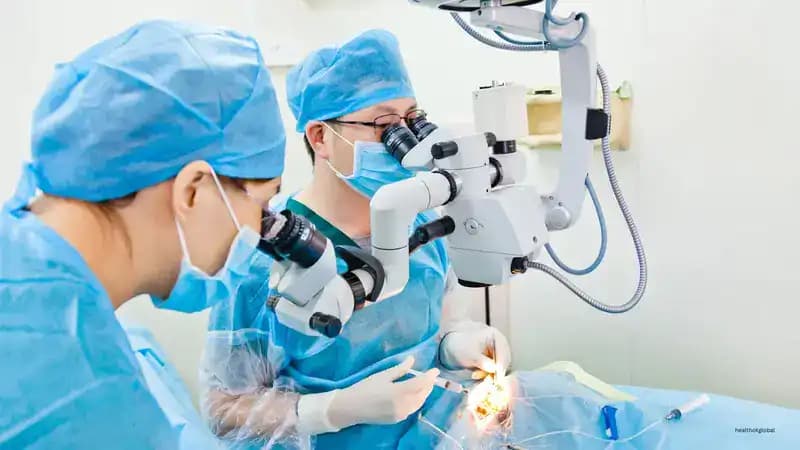
Surgical removal of the cloudy lens and replacement with a clear intraocular lens (IOL) is the definitive treatment. The procedure is minimally invasive, safe, and has a high success rate.
Cataract Surgery:
Advanced Cataract Surgery Techniques
Modern surgical methods have made cataract surgery highly efficient and precise. Techniques include:
Uses ultrasound waves to break up the cloudy lens, which is then removed and replaced with an IOL.
Phacoemulsification:
Employs advanced laser technology to perform precise incisions and lens removal, reducing recovery time.
Femtosecond Laser-Assisted Surgery:
Options like multifocal or toric lenses correct vision at multiple distances or address astigmatism, reducing dependence on glasses.
Premium Intraocular Lenses:
Preventing Senile Cataract
While aging cannot be stopped, certain measures can reduce the risk or delay the onset of cataracts:
Wear sunglasses with 100% UV protection to shield your eyes from harmful rays.
UV Protection:
Incorporate antioxidants like vitamins C and E, found in fruits and vegetables, to support eye health.
Healthy Diet:
Early detection through routine eye exams can catch cataracts before they significantly impact vision.
Regular Eye Check-Ups:
Conclusion
Senile cataract is a common yet treatable condition that can significantly impair vision if left unaddressed. Understanding its symptoms, causes, and treatment options empowers individuals to seek timely care and improve their quality of life. With advancements in cataract surgery, restoring clear vision has become safer and more effective than ever. Regular eye exams and a proactive approach to eye health are crucial for preventing complications and maintaining lifelong visual acuity.
Dedicated Elderly Support by Zocvi
Zocvi offers comprehensive elderly care services to ensure the dignity and safety of seniors. Our expert caregivers provide personalized support, from routine health checks to emotional well-being assistance. Contact our FREE 24 x 7 Healthcare Helpline at +91-92724-57637 for immediate support and assistance.






Comments (0)