
Introduction
Eye flu, also known as conjunctivitis, is an infection or inflammation of the conjunctiva, the thin transparent layer that covers the white part of the eye and the inner surface of the eyelids. It is a common condition that can affect people of all ages and is highly contagious. Symptoms of eye flu include redness, itching, swelling, and discharge from the eyes. This comprehensive guide explores effective treatments and preventive measures for eye flu, helping you manage the condition and prevent its spread.
Understanding Eye Flu (Conjunctivitis)
Eye flu can be caused by viruses, bacteria, allergens, or irritants. The most common types of conjunctivitis are viral, bacterial, and allergic. Identifying the cause is crucial for selecting the appropriate treatment.
Types of Conjunctivitis
There are several types of conjunctivitis, each with different causes and symptoms:
Caused by viruses, this type is highly contagious and often accompanies the common cold or respiratory infections. Symptoms include watery discharge, redness, and itching.
1. Viral Conjunctivitis
Caused by bacteria, this type is also highly contagious and typically produces a thick, yellow-green discharge. It can cause eyelids to stick together, especially after sleep.
2. Bacterial Conjunctivitis
Triggered by allergens such as pollen, dust mites, or pet dander, this type is not contagious. Symptoms include redness, itching, and watery discharge in both eyes.
3. Allergic Conjunctivitis
Caused by exposure to irritants such as smoke, chemicals, or foreign objects, this type can cause redness, tearing, and discomfort.
4. Irritant Conjunctivitis
Symptoms of Eye Flu
Common symptoms of conjunctivitis include:
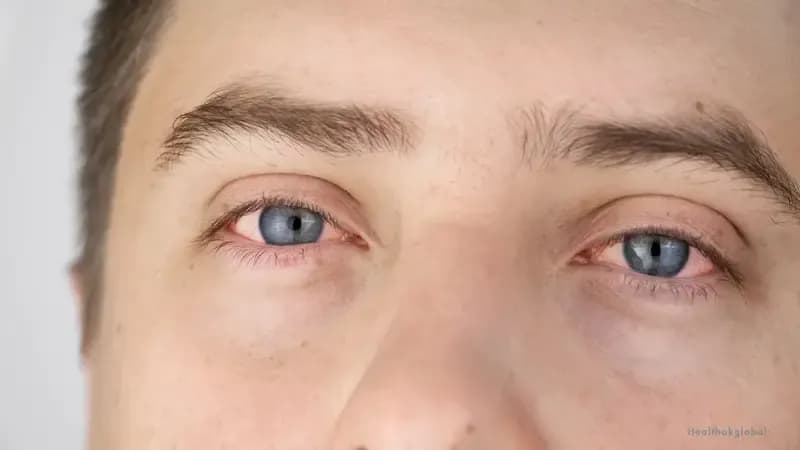
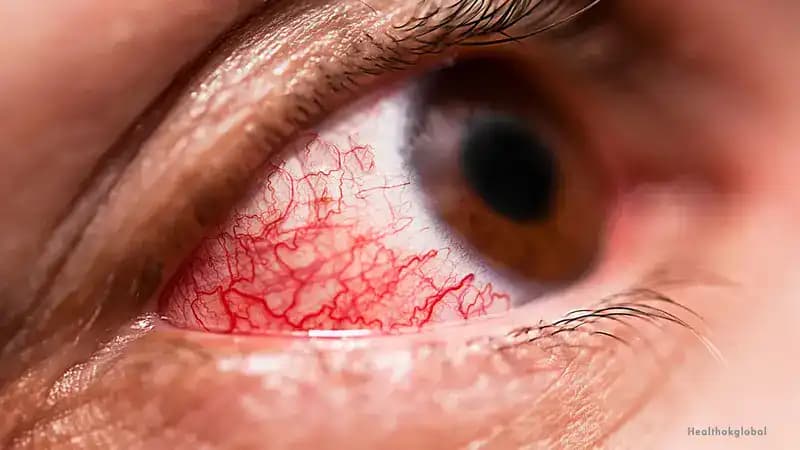
The white part of the eye appears red or pink due to inflammation.
1. Redness
Eyes feel itchy and uncomfortable.
2. Itching
A discharge that can be watery (viral or allergic) or thick and yellow-green (bacterial).
3. Discharge
Eyelids may become swollen.
4. Swelling
Excessive tearing is common, especially with allergic or irritant conjunctivitis.
5. Tearing
Crusts may form on the eyelashes, particularly in bacterial conjunctivitis.
6. Crust Formation
Effective Treatments for Eye Flu
The treatment of eye flu depends on its cause. Here are effective treatments for different types of conjunctivitis:
1. Viral Conjunctivitis Treatment
Viral conjunctivitis usually resolves on its own within a week or two. To relieve symptoms, apply cold compresses to the eyes, use artificial tears, and avoid touching or rubbing the eyes.
Home Remedies
Practice good hygiene to prevent spreading the infection. Wash your hands frequently, avoid sharing personal items, and disinfect commonly touched surfaces.
Good Hygiene
2. Bacterial Conjunctivitis Treatment
Antibiotic eye drops or ointments prescribed by a doctor can effectively treat bacterial conjunctivitis. Follow the prescribed course even if symptoms improve.
Antibiotic Eye Drops
Apply warm compresses to the affected eye to help reduce swelling and remove crusts.
Warm Compresses
3. Allergic Conjunctivitis Treatment
Identify and avoid allergens that trigger symptoms. Keep windows closed during high pollen seasons and use air purifiers indoors.
Avoid Allergens
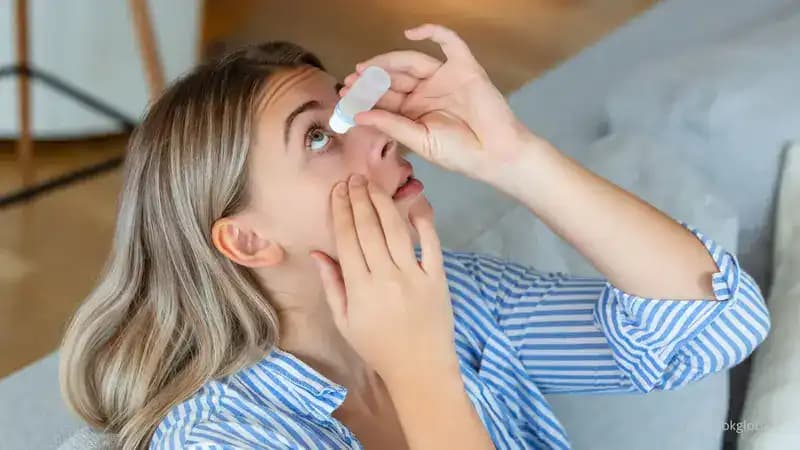
Over-the-counter or prescription antihistamine eye drops can help relieve itching and redness.
Antihistamine Eye Drops
Apply cold compresses to reduce itching and swelling.
Cold Compresses
4. Irritant Conjunctivitis Treatment
If an irritant is causing the symptoms, flush the eyes with clean water to remove the substance.
Remove the Irritant
Use artificial tears to help soothe irritation and keep the eyes moist.
Artificial Tears
Preventive Measures for Eye Flu
Preventing eye flu involves practicing good hygiene and taking steps to reduce exposure to infectious agents and allergens. Here are some preventive measures:
1. Practice Good Hygiene
Wash your hands frequently with soap and water, especially before touching your eyes or face. Avoid sharing personal items such as towels, washcloths, and makeup.
2. Avoid Touching Your Eyes
Refrain from touching or rubbing your eyes, as this can introduce and spread infectious agents.
3. Clean and Disinfect
Regularly clean and disinfect commonly touched surfaces, such as doorknobs, light switches, and electronic devices.
4. Use Fresh Towels and Bedding
Change towels, washcloths, and bedding frequently to prevent the spread of infection.
5. Avoid Allergens
If you have allergic conjunctivitis, take steps to avoid allergens that trigger symptoms. Keep windows closed during high pollen seasons, use air purifiers, and clean your home regularly to reduce dust and pet dander.
When to Seek Medical Attention
While mild cases of conjunctivitis can often be managed at home, it is important to seek medical attention if you experience any of the following symptoms:
Severe pain in the eye may indicate a more serious condition.
Severe Pain
Any changes in vision, such as blurriness or loss of vision, should be evaluated by a healthcare professional.
Vision Changes
If symptoms do not improve within a week or worsen despite treatment, consult a doctor.
Persistent Symptoms
Intense redness, especially if accompanied by severe pain or vision changes, requires medical evaluation.
Intense Redness
Sensitivity to light (photophobia) can indicate a more serious eye condition.
Light Sensitivity
Conclusion
Getting eye flu treatment right depends on identifying the type first. When in doubt, a same-day ophthalmologist consult is inexpensive across Indian cities and definitively distinguishes viral, bacterial, allergic, and irritant conjunctivitis. Never use steroid drops (like dexamethasone) without ophthalmologist supervision, they can dramatically worsen viral eye infections and mask serious complications. During Indian monsoon outbreak periods (July-September), the majority of eye flu cases are viral adenovirus infections that resolve in 7-14 days with cold compresses, artificial tears, and strict hand hygiene.
About Zocvi
Zocvi connects patients with verified doctors and evidence-based health guidance. Visit zocvi.com or reach us on WhatsApp at +91-92724-57637.






Comments (0)